
Following the arson attack on a cable bridge in Steglitz-Zehlendorf, Berlin is ramping up security for its power infrastructure with a massive police presence. According to the Berliner Zeitung, police are deploying up to four hundred officers daily to secure substations and other facilities. Around 45,000 households and 2,200 businesses were without power for several days. (berliner-zeitung: 12.01.26)
Union criticizes deployment levels and warns of insufficient reserves
The German Police Union assesses the situation differently than the Senate and speaks of mere activism. State chairman Bodo Pfalzgraf is unequivocal: “My colleagues are appalled by this excessive, senseless, and politically motivated hyperactivity.” He also poses an operational question that regularly determines deployment plans in Berlin: “With what reserves will we be able to handle major incidents in this city in the future?”
Pfalzgraf points to the strain on police departments, as deploying hundreds of officers ties up personnel, vehicles, and command structures. At the same time, the pressure is mounting to respond to new attack risks, because the recent attack exposed the vulnerabilities of the networks, and the Vulkan group has announced further attacks in Berlin online. The police are now securing locations that were previously largely unchecked, and this is changing priorities in daily operations.
Many facilities remain easily accessible – often lacking fences and proper equipment
The fact that the state is now pooling resources is also related to the security gaps at many locations, though these gaps didn’t begin with the attack. The Berliner Zeitung reported that numerous high-voltage installations stand unfenced and lack motion sensors, cameras, or strong lighting. Even 220-kilovolt switchgear was sprayed with graffiti, even though such areas are normally inaccessible.
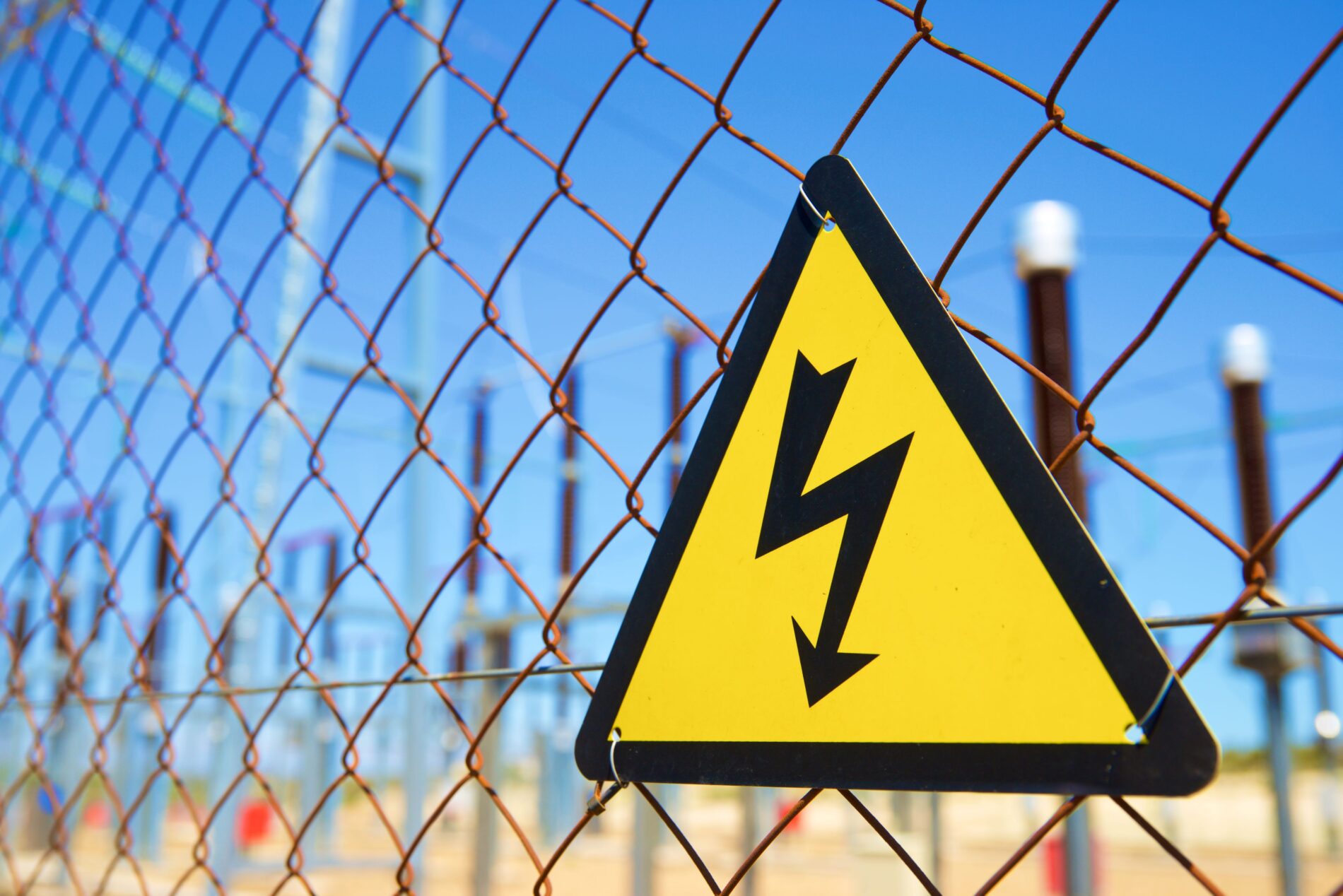
Instead of physical barriers, there are sometimes only warning signs prohibiting entry, but a sign doesn’t stop anyone. Such conditions increase the risk of sabotage and vandalism because perpetrators need expend little effort. For operators, every minute counts, as a targeted attack can affect entire districts.
Senate examines cameras and heat detectors – operators come under scrutiny
The responsible Senator for Economic Affairs, Franziska Giffey (SPD), announced last week that security measures would be increased and outlined specific options. Among other things, the use of video cameras and heat detectors is being examined, as these systems can detect approaching intruders earlier. This puts a focus on technical upgrades that go beyond mere police patrols.
The police union, however, maintains that the responsibility should not lie with the emergency services. It argues that protecting critical infrastructure is a core responsibility of the operators and criticizes the fact that this area has been “criminally neglected” to date. If companies upgrade now, this will reduce the need for police forces in the long term, because technology provides continuous monitoring and documentation.
Critical Infrastructure Protection Act to Make Obligations Binding – Decision Not Expected Until Summer
The debate is also underway at the federal level, and a concrete draft is on the table. Rainer Wendt, Federal Chairman of the German Police Union (DPolG), is calling for the swift implementation of the so-called Critical Infrastructure Protection Act, which is intended to obligate operators to implement effective security measures. A draft bill from the federal government has existed since September, and the parliamentary process is ongoing.
However, observers do not expect a decision until summer, meaning Berlin will have to work with interim solutions until then. For the capital, this means: police provide immediate security while politicians and operators work on structural solutions. The crucial point remains that short-term security measures must be transformed into a permanent level of security, so that attacks on the power supply have less chance of success in the future.