
Within the CDU, there are efforts to redefine the term “climate neutral.” Two influential party organizations are driving this: the MIT, the CDU/CSU’s SME and Economic Union, and the CDA, the Christian Democratic Employees’ Association, the union’s labor wing. Both want to define “climate neutral” so that it no longer means net zero, but rather “90 percent fewer emissions by 2050.” This would retrospectively shift a key political benchmark. A course correction in climate policy is urgently needed given the competitive problems of many industrial sectors, but reinterpreting the term is the wrong approach. Politicians must finally admit that the current target has overburdened the economy and has already initiated a massive loss of prosperity.
A new definition changes the benchmark, not reality
“Climate neutral” was politically established as a target, one that politics, administration, and business align their planning with. If the CDU now reinterprets the term itself, it shifts the metric by which success and failure are measured. This is not a technical squabble, but an infringement on political commitment. Moreover, it appears to be an attempt to shift the debate from achieving the goal to the meaning of the word.
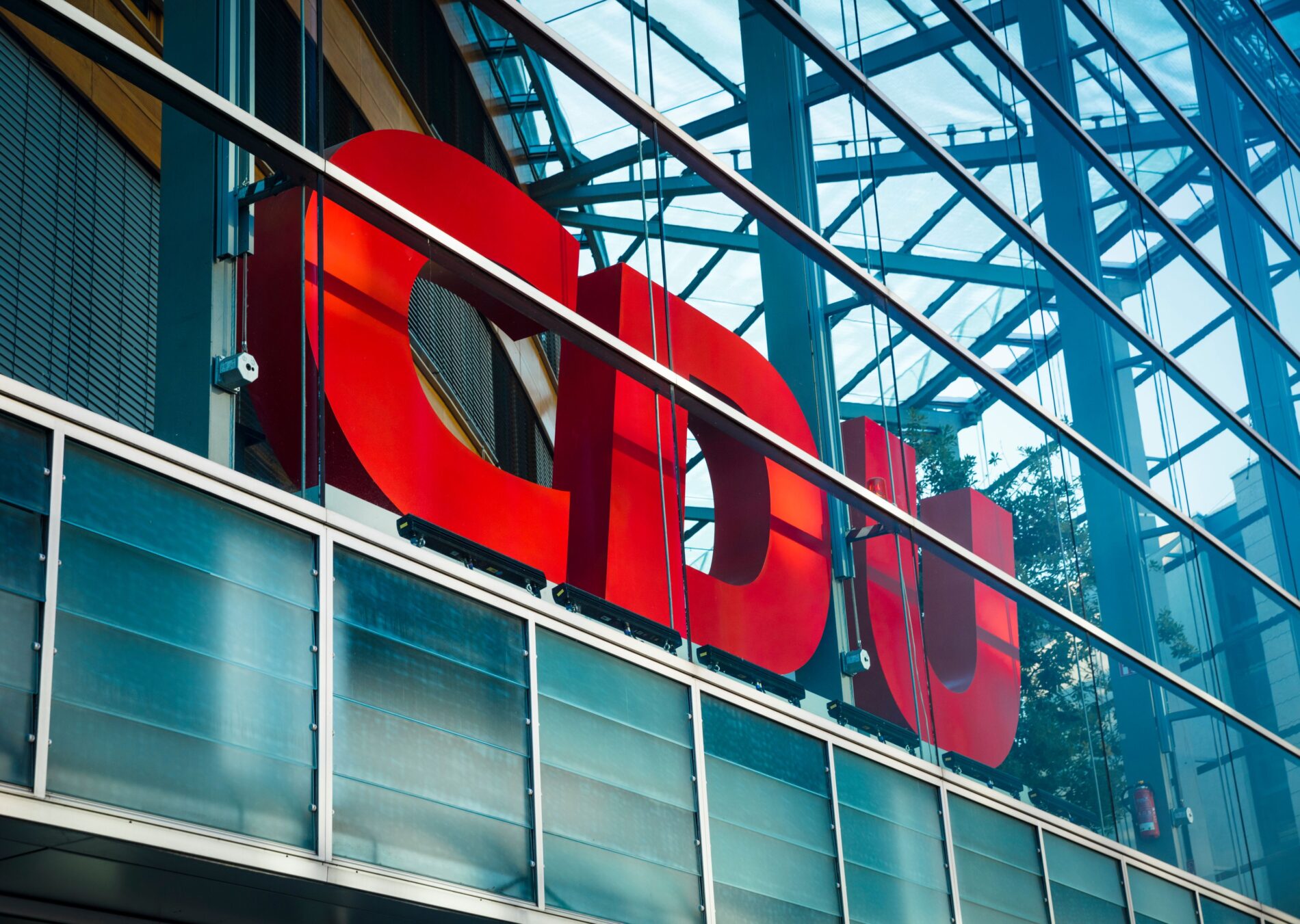
This creates a fundamental problem: anyone who rewrites the concept of a goal can later claim to have achieved it, even though the original promise no longer holds true. This is precisely why skepticism is warranted whenever political terms are to be redefined.
The motives are understandable, but the method remains problematic
MIT and CDA justify their initiative with economic constraints. In many sectors, climate policy requirements, coupled with high energy and regulatory costs, have increased production costs. At the same time, sales prices on the global market are limited by international competition. This results in a harsh mechanism: companies shift new investments, reduce capacity, or expand where energy and framework conditions are more favorable.
This situation argues for a course correction. However, it does not argue for redefining the term “climate neutral.” Any adjustment to the goal must be decided openly on a political level, rather than appearing disguised through language.
Reinterpretation signals a abandonment of the goal without explicitly stating it
A redefinition effectively amounts to a partial departure from the previous understanding of the goal. If “climate neutrality” means a 90 percent reduction in emissions in the future, a remainder will need to be politically explained and permanently legitimized. Moreover, the impression arises that the original goals are considered unattainable, but this is not being explicitly stated. This is precisely the critical point: redefinitions are an admission of failure by the back door.
The parallel to Habeck’s debate about a “newly defined prosperity” is obvious. In both cases, language is intended to defuse political tensions. This can work communicatively, but it weakens democratic oversight because terms that serve as stable reference points are lost.
What is needed instead: transparent adjustments to goals and instruments
If the CDU wants to change course, it should do so openly and measurably. This includes a clear statement of which goals are being changed, with what deadlines, and with what consequences. It also includes adjustments to instruments that directly affect competitiveness, such as exceeding national targets, the design of transitional rules, and effective protection against carbon leakage.
A course correction is urgent because location decisions don’t wait for party conferences. However, reinterpreting the term “climate neutral” solves neither cost nor investment problems. It merely shifts the political benchmark, and that is precisely what makes it so vulnerable. (KOB)