
Germany is losing another industrial base. The packaging company and global market leader DS-Smith plans to close five locations in Germany, putting around 500 jobs at risk. The company is reacting to an environment characterized by skyrocketing energy costs, paralyzing bureaucracy, a high tax burden, and a noticeable industrial crisis. The packaging specialist sees hardly any viable conditions left in Germany. This development is hitting the regions hard, as the political establishment remains remarkably silent despite the situation. (merkur: 18.11.25)
Structural Breakdowns in Key Regions
The plants in Hövelhof, Paderborn, Mannheim, Endingen, and Donauwörth are affected. Hamburg is also losing parts of a display factory. Each of these regions is struggling for economic stability, but the industrial crisis is running deeper because structural reforms are lacking. Energy costs are driving production costs to levels that seem almost unsustainable by international standards.
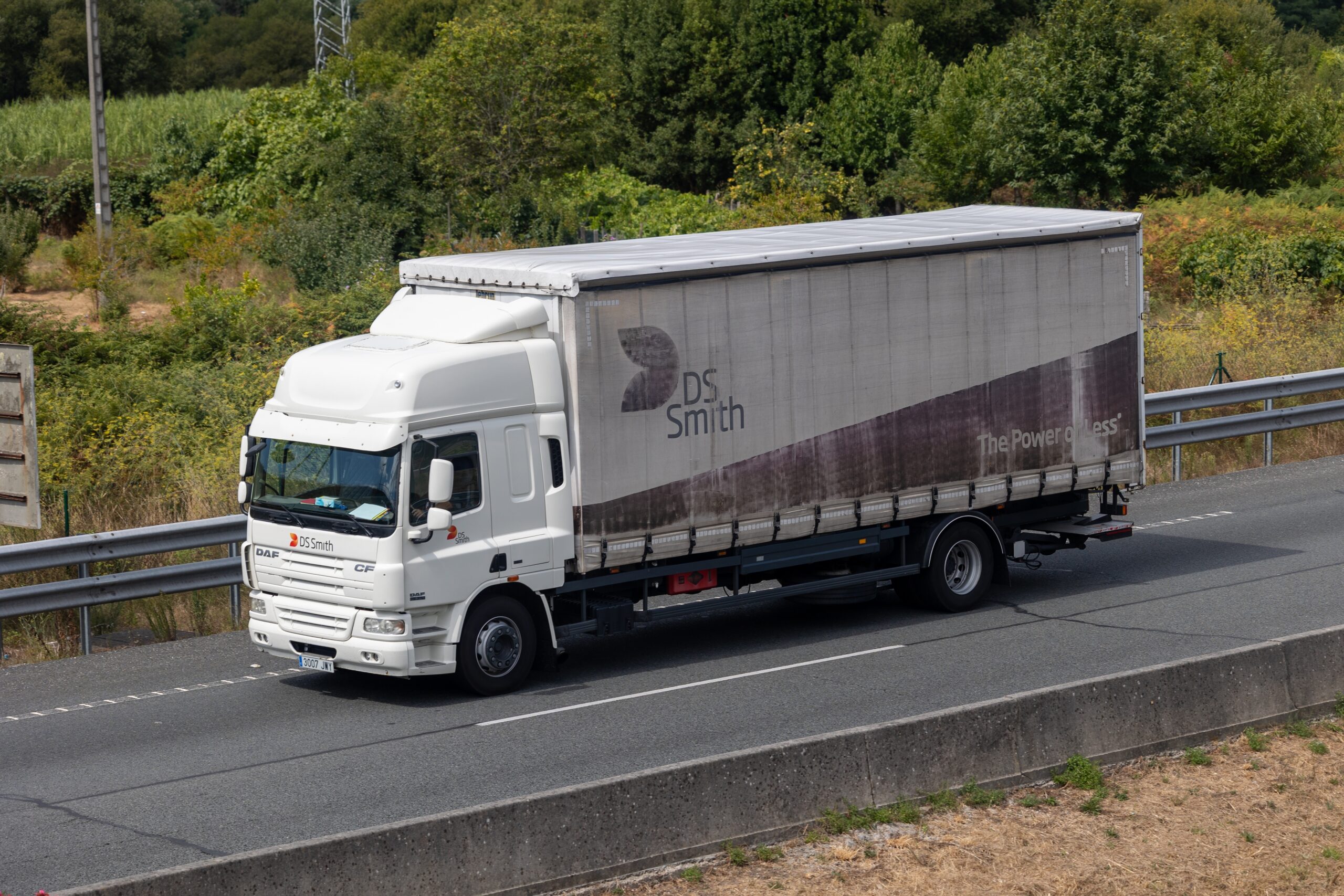
The situation in Hövelhof is particularly tense. Around 160 people there face an uncertain future, even though the site is performing well. Works council chairman Martin Zoidl describes a workforce that feels abandoned. According to the “Neue Westfälische,” morale is “at rock bottom.” From the perspective of many employees, administrative hurdles and political inaction are exacerbating the situation more than DS-Smith’s own move.
Disorientation in the plants – a political vacuum
Many employees are seeking legal advice because of the growing uncertainty. Discussions about severance packages and alternative solutions are underway at all locations. Nevertheless, the impression remains that a state that should be safeguarding industrial strength is failing to live up to its responsibilities. Taxes are rising without any real relief. High energy costs are hitting energy-intensive industries particularly hard and weakening their competitiveness in the international market.
Zoidl plans to involve experts to develop a clear strategy for the workforce. His statement that a course of action must now be determined reveals the desperation behind the scenes. Employees yearn for political support, but the reality is quite different.
DS-Smith reacts to a country in the grip of a cost storm
Since the beginning of 2025, DS-Smith has operated under the umbrella of International Paper. International competition forces corporations to make precise decisions. Germany is slipping in comparison. High energy costs, extremely complex bureaucracy, and a rising tax and contribution burden create an environment that discourages investment. The resulting weakening of Germany’s competitiveness necessitates structural measures, which now affect the five plants.
The Verdi trade union interprets the situation as a sign of a profound misdevelopment of Germany as a business location. Union secretary Daniel Hirschi speaks of a “drastic measure,” but many affected employees recognize that the core of the problem lies within the political framework. While other countries are strengthening their industries, Germany is losing its foundation.
A globally powerful corporation clashes with national weaknesses
DS-Smith is one of the leading players in the fiber packaging industry. The company processes more than 5.4 million tons of fiber annually. Its history dates back to 1940, when David Gabriel Smith and David Solomon Smith founded a cardboard packaging company. Today, the network comprises 14 modern CCM paper mills.
The packaging specialist is not lacking in financial strength. The crisis stems from external factors: rising energy costs, increasing taxes, crippling bureaucratic hurdles, and an ever-deepening industrial crisis. These factors are driving international companies out of Germany because competitiveness is becoming increasingly difficult to achieve.
Five locations are now facing closure. DS-Smith is drawing the consequences from political missteps. Around 500 people are facing significant job losses, while the German government stands idly by.