
Traffic through the Strait of Hormuz has almost completely ground to a halt since the US and Israeli attacks on Iran at the end of February, triggering an acute oil crisis in the Persian Gulf. The triggers are the military escalation, threats against shipping, attacks on tankers, and the fear of further strikes against production facilities, ports, and pipelines. The strait between Oman and Iran is the main transport route for about one-fifth of global oil and LNG shipments, which is why production shutdowns in Iraq, Kuwait, Abu Dhabi, and Qatar are now impacting prices, industry, and supply. In the US, the price of oil jumped above $100 per barrel, while Europe and Asia are simultaneously facing higher costs for fuel, gas, and transportation. (wsj: 08.03.26)
Oil Crisis Hits Production and Shipping Simultaneously
The first reactions came directly from the oil industry. On February 28, the head of the Norwegian producer DNO shut down his company’s oil fields in Iraq because he didn’t want to take any further risks after the attacks. This was the first production halt of this war, and other producers followed suit shortly afterward.
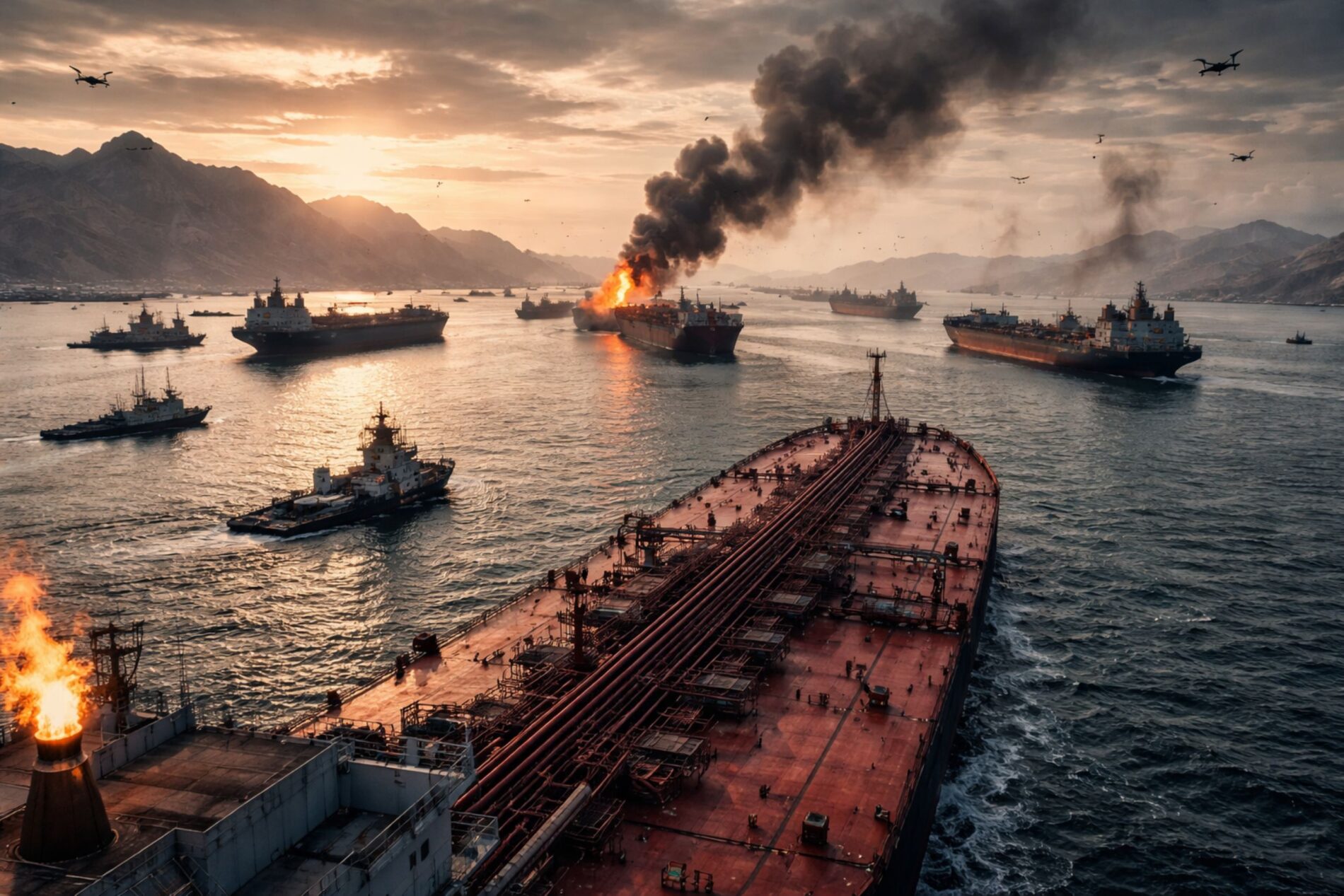
Almost simultaneously, a recording circulated in industry groups showing an Iranian naval officer apparently warning ships not to enter the Strait of Hormuz. Since then, more than 1,000 ships have been waiting to pass through, even though the strait is neither officially closed nor physically blocked. However, following attacks on at least nine ships and the death of a crew member, many shipping companies are avoiding the area. As a result, tanker traffic has plummeted, while Iraq has had to reduce its production by more than two-thirds, and storage facilities in Kuwait and Abu Dhabi are also reaching their limits.
Europe and Asia Come Under Pressure
The consequences of this oil crisis are affecting different regions to varying degrees. The US currently has more domestic energy resources than during previous shocks, which is why the country is somewhat better buffered. Nevertheless, gasoline, diesel, and financing costs are rising there because the global market immediately passes on every price increase.
For Europe and Asia, however, the situation is more precarious. Large quantities of oil, as well as liquefied natural gas and fertilizers for many regions of the world, pass through the Strait of Hormuz. Qatar is particularly critical, as the country halted production following Iranian drone attacks on the Ras Laffan gas complex. This resulted in the loss of approximately one-fifth of the global LNG supply at a stroke. In Europe, gas prices skyrocketed after a cold winter, while Asia is bidding even more aggressively for available cargo.
Oil Crisis Spreads to Industry, Agriculture, and Governments
The tensions are now affecting far more than just the oil market. Aluminum prices have risen sharply because smelters in the Middle East declared force majeure and could no longer guarantee their deliveries. The Norsk Hydro Group is reducing production in Qatar, and a complete restart could take months.
Analysts are therefore warning of a historic supply shock. JPMorgan analyst Natasha Kaneva said: “In the entire written history of the Strait of Gibraltar, it has never been closed, never.” If the passage remains blocked, production in the Gulf could fall by more than four million barrels per day within a short period. By the end of March, estimates suggest a drop of around nine million barrels per day is even possible. This would correspond to almost one-tenth of global demand, and that is precisely why the oil crisis is worsening day by day.
Concrete consequences are already evident in Asia as well. Myanmar is rationing fuel, Thailand is limiting certain exports, and the Philippines is reducing electricity consumption in government offices. India is urging refineries to increase cooking gas production due to a collapse in supplies from the Middle East. At the same time, fertilizer manufacturers there could reduce production, which would put a strain on agriculture. Even if the military situation de-escalates quickly, the oil crisis is likely to persist because large oil and LNG facilities are slow to restart operations.