
Finance Minister Marcus Optendrenk is causing a stir in North Rhine-Westphalia by giving up his electric BMW i7 and switching back to a diesel. He cites long commutes and a tight schedule as the reasons, arguing that charging and range are not reliable enough for an electric car in a rural state. This directly contradicts the stance of many politicians who are urging citizens to switch to electric vehicles. For the past few days, Optendrenk has been driving an Audi A8 L 50 TDI quattro. (ntv: 14.02.26)
Finance Minister Openly Addresses Many Drivers’ Criticisms of Electric Cars
Optendrenk justifies the switch with everyday experience, arguing that an electric car works better in Düsseldorf than on long rural journeys. He told the “WAZ”: “I’ve found that an electric vehicle works well in everyday use in political Düsseldorf, but with a tight schedule and long drives through a large, rural state like North Rhine-Westphalia, they reach their limits.” This confirms precisely the points many people have been raising for years. Range, charging times, and the lack of buffer capacity remain the classic obstacles. Now, of all people, a minister is publicly making these obstacles the basis for his decision.
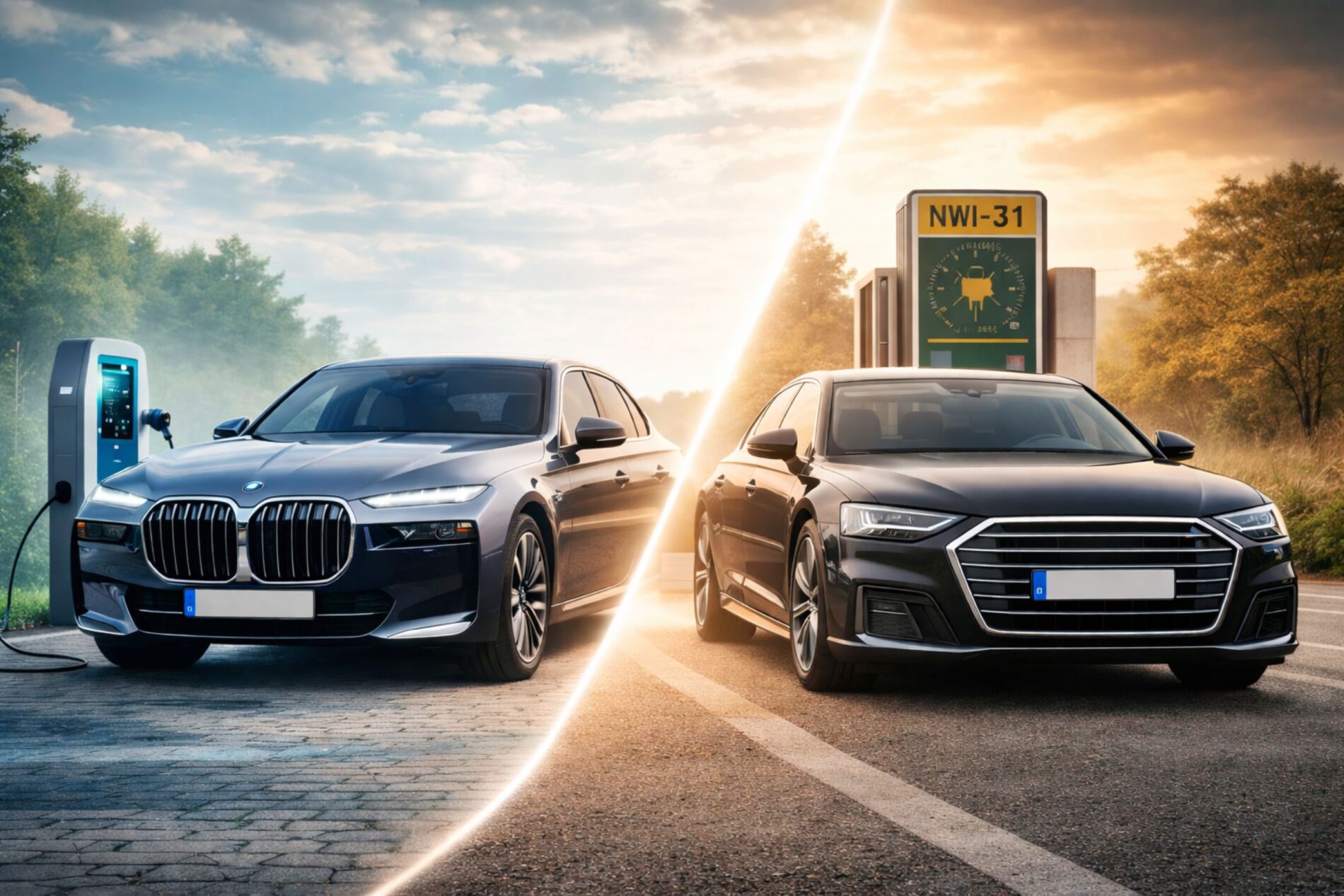
The timing also doesn’t seem spontaneous, but rather calculated, because a lease agreement delayed the switch. Optendrenk had to wait until the lease on the BMW i7 ended before he could make the switch. This creates the impression of a test followed by a verdict. For many citizens, this sounds like proof that switching to electric vehicles doesn’t always work in everyday life.
Double Standard – Pressure on Citizens, Diesel Comfort in the Cabinet
Politically, the process is delicate, because politicians are promoting electromobility and tightening regulations and targets. At the same time, a top politician backs out as soon as practical application becomes inconvenient. This undermines credibility, because setting an example cannot be optional. If a finance minister chooses the diesel solution for himself instead of an electric car, then the appeal to commuters and businesses quickly seems like an imposition. This increases skepticism, even though the transformation of transportation actually requires acceptance.
Optendrenk’s explanation intensifies the conflict because it doesn’t sound ideological, but rather pragmatic. He talks about appointments and routes, about what citizens experience every day. That’s precisely why this case seems to confirm the concerns of many people. And that’s precisely why it can shape the debate more than any advertising campaign for electric cars.
Audi A8 L 50 TDI quattro – Luxury Diesel with a High Starting Price
Optendrenk now drives an Audi A8 L 50 TDI quattro, a luxury sedan designed for long distances. The V6 diesel engine produces 210 kW and 600 Nm of torque, and the car accelerates from 0 to 100 km/h in approximately 5.9 seconds and reaches a top speed of 250 km/h (electronically limited). These figures are typical of a vehicle designed for long-range capability and quick availability. At the same time, the WLTP fuel consumption, depending on the version, is roughly 7.0 to 7.7 liters per 100 km, which is why its efficiency is clearly lower compared to smaller models.
Optendrenk now drives an Audi A8 L 50 TDI quattro, a luxury sedan designed for long distances. The package starts off expensive with the price tag, as the ADAC lists a base price of around €99,900 for the A8 50 TDI quattro. However, it’s unlikely that a government car would stay at the base model; it’s highly probable that it would be equipped with expensive optional extras. Assistance and comfort packages quickly drive the vehicle’s value up considerably. This makes the switch to a car seem like a sign of comfort, even though politicians are simultaneously demanding sacrifices and adjustments from others.
Acceptance Problem with Electric Cars – When Those at the Top Opt Out, Public Willingness Differs
The transition to electromobility requires trust, but decisions like these undermine that trust. Citizens hear political pronouncements while simultaneously witnessing top politicians pragmatically dodging the issue. Optendrenk offers an explanation that many understand, and that’s what makes it politically dangerous. It demonstrates that even with company car budgets and planning apparatuses, the system’s limitations remain palpable.
The consequence is obvious: acceptance cannot be achieved through decree. Only when infrastructure, charging options, and timeframes align will the transition seem realistic. As long as ministers themselves opt out, the perception of a double standard persists. And as long as this perception remains, political skepticism towards electric cars will continue to grow.