
Automotive supplier Huhn-Teckentrup operated profitably at its Hüinghausen site, but noise regulations severely restricted the operation. Although the company remained competitive, the applicable regulations prohibited nighttime operation of a central facility. Because night production will no longer be permitted, production volumes must be relocated. Parts of the manufacturing process will move to the plant in Wrable, Slovakia, among other locations, resulting in job losses at the Hüinghausen site. Managing Director Andrej Mühlbeier clarified at a company meeting that this decision was necessitated not by a lack of competitiveness, but by regulatory requirements. (come-on: 12.12.25)
Noise regulations restrict operations despite functioning technology
Huhn-Teckentrup most recently generated around €43 million in revenue and employed approximately 160 people, meaning there was no economic pressure to adjust. Nevertheless, repeated complaints from neighbors led to official investigations. These investigations focused on noise and vibrations that occurred continuously but were more noticeable at night. This is precisely why stricter limits were imposed, legally restricting operations.
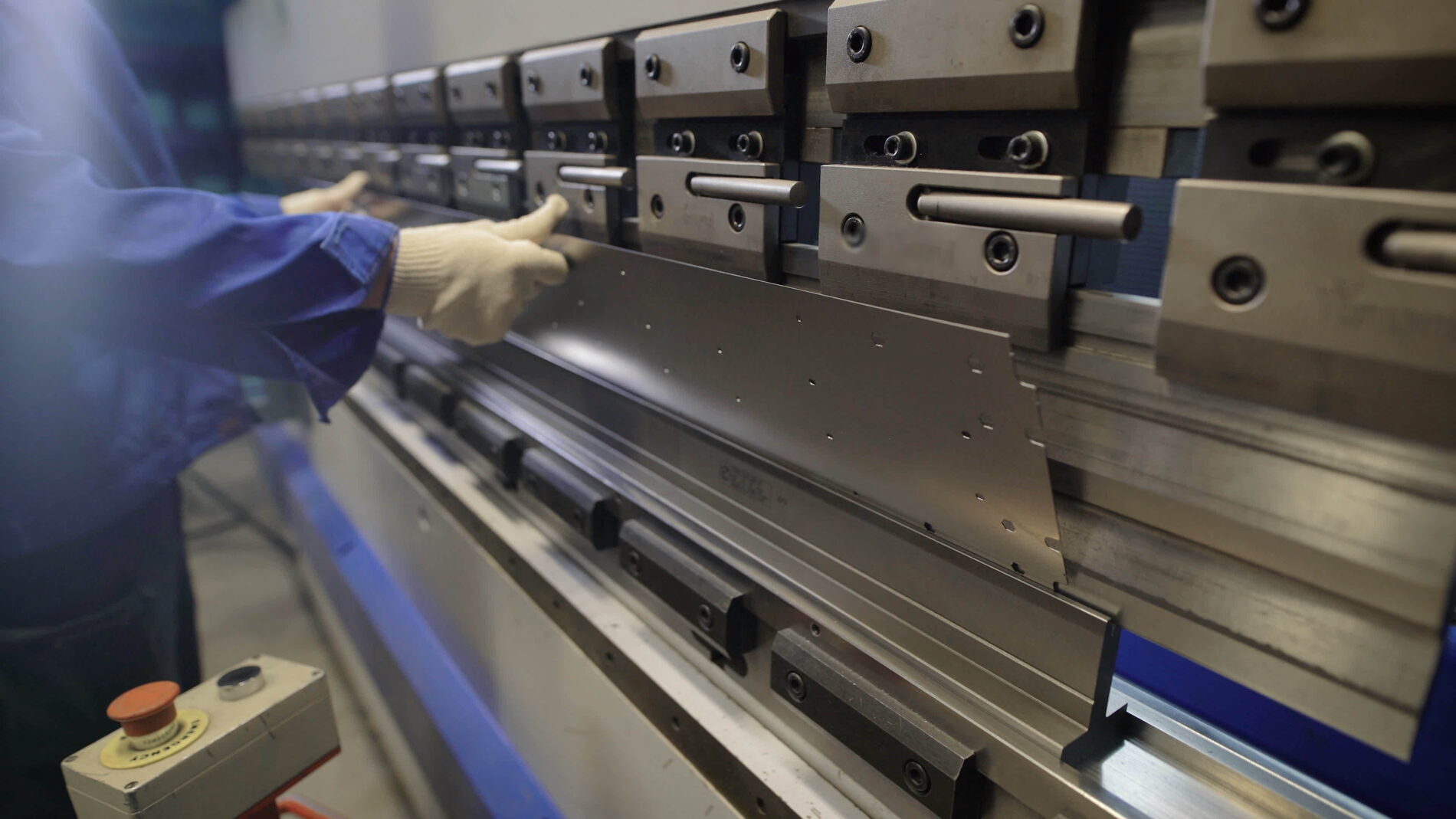
The company management had already invested considerable sums in expert reports, measurements, and technical measures. Nevertheless, it proved impossible to fully comply with noise regulations in the long term. Further structural modifications would have jeopardized the site’s profitability, which is why management ruled out this option. Technically, the plant remained efficient, but the regulatory framework imposed clear limitations.
Night production will be discontinued, increasing cost pressure
The focus of the assessment was the 1,000-ton press, designed for high-volume production. Although the vibration dampers were functioning correctly, the measurement results remained critical. The vibrations were constant but were primarily noticeable at night, leading to the application of stricter limits. Consequently, the plant will no longer be permitted to operate at night.
The elimination of night production significantly reduces the plant’s capacity utilization and increases unit costs. This puts even an efficiently operating site under pressure, although competitiveness during daytime operations remains intact. Therefore, management saw no alternative but to structurally reorganize parts of the production process.
Production Relocation as a Direct Consequence of Regulatory Requirements
Certain high-volume components, internally referred to as “high potentials,” will be manufactured at other locations in the future. These include plants in Drolshagen and Ense, as well as, in particular, the plant in Wrable, Slovakia. Production processes can be implemented more economically there because night operations are not restricted and different emission limits apply.
The company also considered a complete relocation of the large press but rejected this option for cost reasons. The required investment of several million euros would have exceeded the company’s financial resources. Instead, the management opted for a phased relocation of production to stabilize the overall structure. The noise regulations thus directly influence the site selection decision.
Job Cuts Despite Stable Order Book
The relocation of production inevitably leads to job cuts, which will have a noticeable impact on the workforce. Employees with temporary contracts are particularly affected, although individual performance will continue to be taken into account. Management emphasized that the job cuts will be implemented in a socially responsible manner, even though specific figures were not mentioned.
At the same time, the company is supporting affected employees with their career reorientation and is working closely with the Federal Employment Agency. Internal transfers remain possible, provided they are organizationally feasible. However, this does not change the underlying cause, as regulatory requirements were the deciding factor, not weak demand or a lack of efficiency.
Relocation Not a Calculation, but Due to Regulation
Management rejects the accusation that the production relocation had been planned for a long time. The site functioned technically and delivered economically. Only the combination of stricter noise regulations, the elimination of night production, and rising costs made this decision necessary. Even an economic upswing in Germany would not change this.
Some orders remain permanently abroad because international price competition further favors this structure. The Huhn-Teckentrup case thus exemplifies how even competitive industrial locations can fail due to regulatory constraints, despite their market competitiveness.