
No, it’s not April Fool’s Day, because the Ministry of the Environment is indeed planning a measurement program for cow methane directly in the barn. This is based on the draft of the 2026 climate protection program, which also includes a separate chapter on cattle farming. Sensors will record how much methane individual animals emit. The cowshed will thus become a state-run measuring station.(bild: 10.02.26)
From Climate Goals to Fart Statistics
Cattle are the focus of planners, as their methane is considered a significant climate factor. Authorities attribute large proportions of agricultural methane emissions to livestock farming. This is precisely where the new measurement concept comes in; moreover, each procedure is intended to provide rigorously documented data. Barn air is being transformed into political indicators.
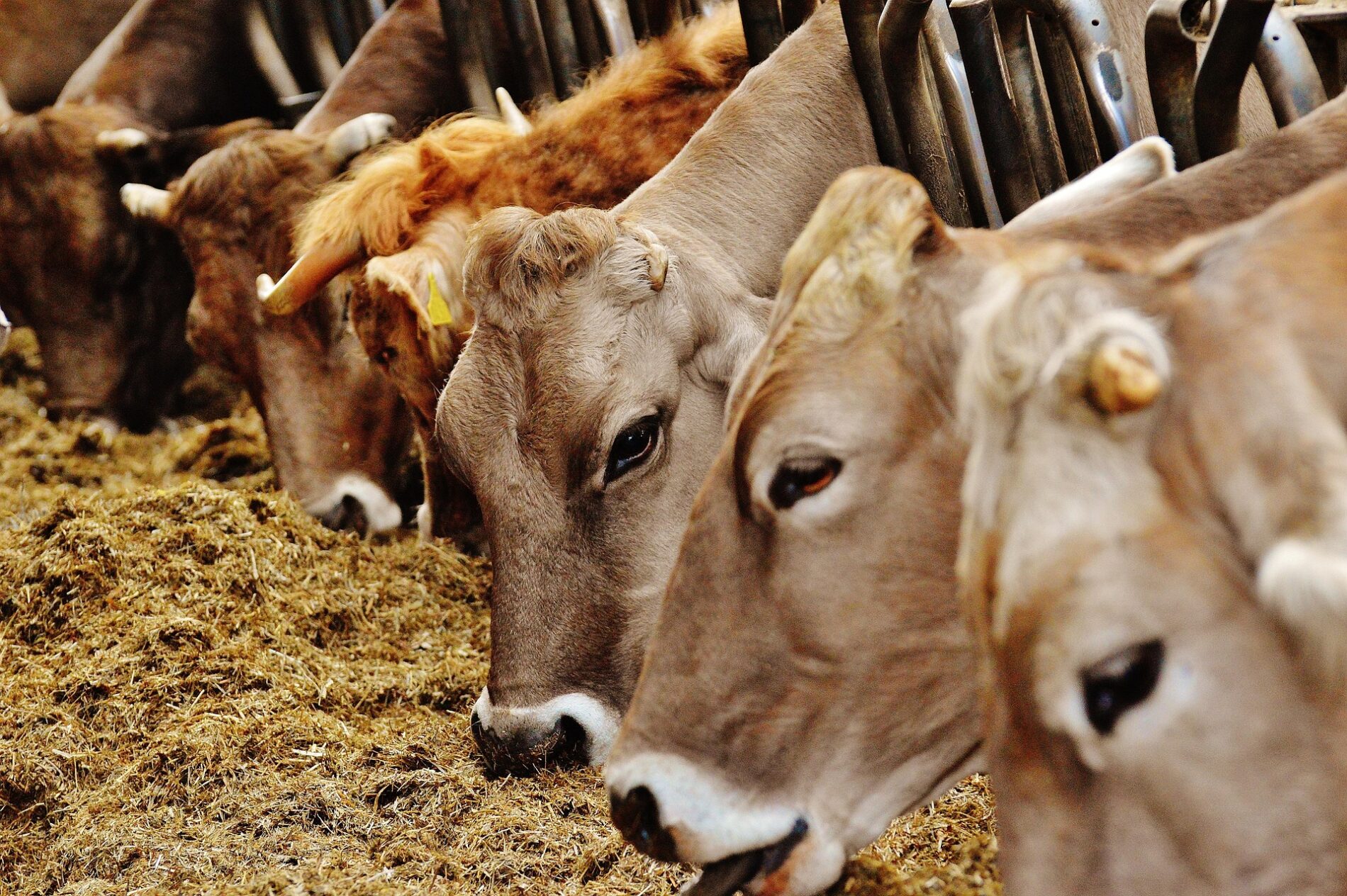
The draft legislation calls for the “establishment and operation of a methane measurement program,” explicitly based on international models. This refers to breath gas measurements, sensor stations, and mobile testing equipment. The cow thus becomes the emission measurement point. Bureaucracy takes a turn.
New Zealand as a blueprint for the German barn
New Zealand serves as a model, and technical measurement systems for ruminants have been in place there for years. Animals eat at measuring stations while devices analyze their exhaled air. Mobile chambers are used as a supplement. Every burp becomes a data point.
Germany intends to adopt this methodology, but initially under the guise of research. Measure first, then control. First figures, then rules. The path to regulation thus receives a preliminary program.
Feed additives as a climate trick – with a downside
At the same time, policymakers are focusing on feed additives to reduce methane, as certain substances slow down processes in the rumen. The additive Bovaer is particularly well-known. Studies and manufacturers report decreasing methane levels. On paper, this seems like a climate switch.
However, individual farmers and media outlets are reporting cases of illness and animal deaths in temporal association with Bovaer, and manufacturers deny a proven causal link. The debate is ongoing. Farmers are discussing, while politicians are doing the math.
Today a measurement program, tomorrow a “fart factor”?
Officially, the ministry speaks of data foundations and monitoring, and also uses terms like verification and reporting systems. In practice, a new metric per animal is emerging. Experience shows that what is measurable also ends up in tables. And tables love limits.
The draft doesn’t yet specify a direct methane levy per cow, but the program provides precisely the necessary basis for it. Measurement value plus factor equals tariff. The calculator is ready. The tax assessment only needs one form.
Climate policy reaches the last row of barns
The 2026 climate protection program addresses many sectors, but the cow measurement is generating maximum attention. Energy prices, grid expansion, and transportation seem almost technically detached in comparison. Methane measurement, on the other hand, is making headlines. Climate policy is thus becoming suitable for the barnyard.
The presentation of the overall plan is scheduled for spring, and expert feedback is currently being gathered. Until then, the discussion about the benefits and costs will intensify. Only one thing is certain at this point: the cow will be under scrutiny in the future – both sensory and political.