
The battery storage boom is reaching a new level of escalation, as grid operators are currently rejecting massive numbers of grid connection applications. TenneT and other transmission system operators are removing hundreds of projects from the process. The number of submitted proposals significantly exceeds the actual usable grid capacity, which is why the operators are tightening their review procedures. Project developers are reacting nervously, but the grid operators speak of a necessary market correction.
Grid connection now only for realistic storage projects
Operators are changing their connection logic because the previous system based on application receipt is no longer viable. Those who submit first no longer automatically get priority; instead, only viable projects will receive it. The decisive factors are now the permitting status, financing, and technical planning, so that the grid is not blocked by placeholders. Many submitted storage projects exist only on paper, even though they require significant grid connection capacity.
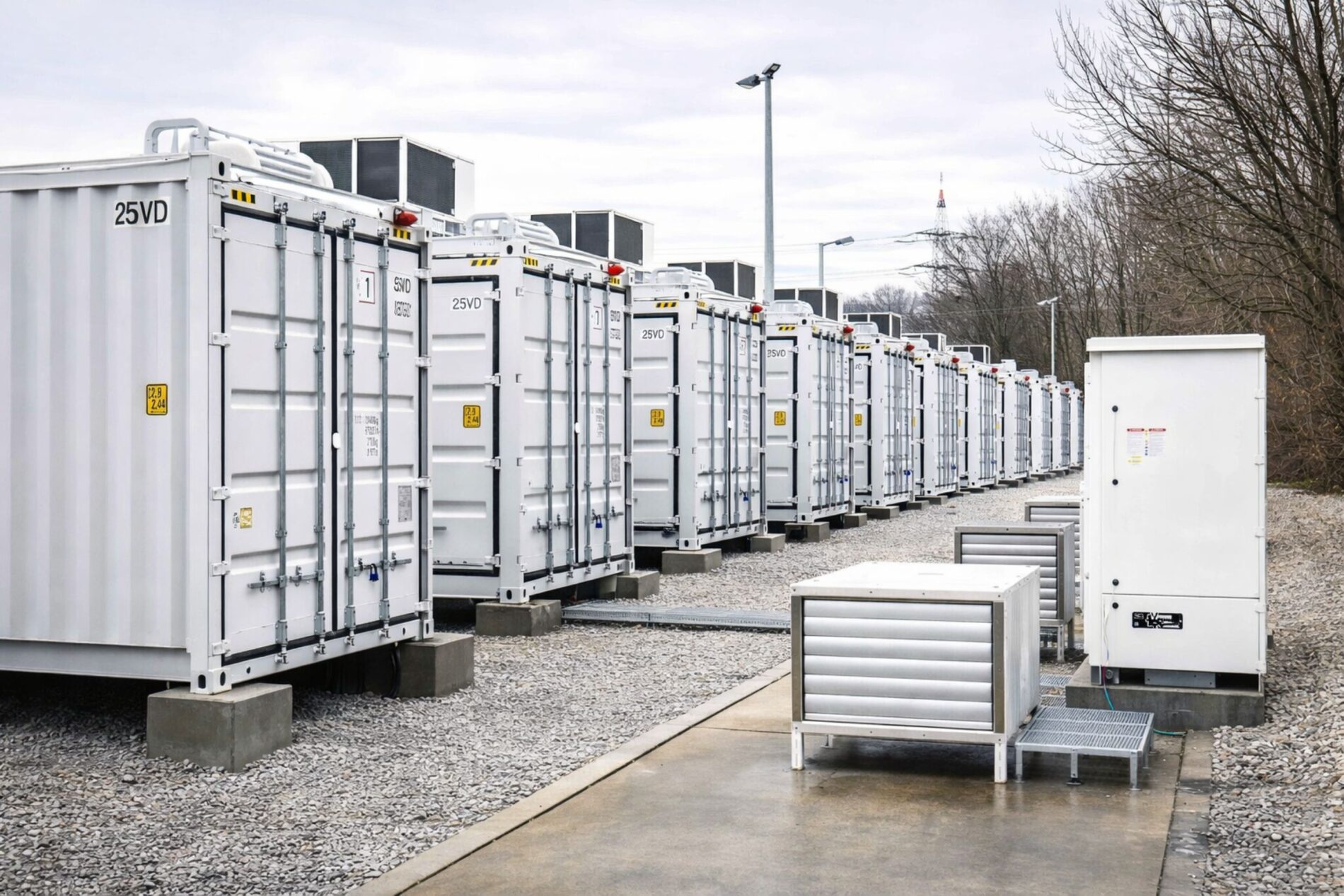
Developers registered capacities in the hundreds of gigawatts in a short period, even though the actual demand is significantly lower. This is causing speculative reservations to fill waiting lists, forcing viable projects to wait. Internally, grid operators refer to these as “phantom storage” projects because numerous projects are never built. The new filtering process therefore intervenes early to prevent further misallocation of resources.
The application evaluation process is being prioritized instead of being strictly chronological
In the future, grid operators will review applications in a more structured manner, as the order of applications alone will no longer be the deciding factor. Projects with advanced planning will move to the forefront, while vague concepts will be relegated to the back burner. This includes secured land, concrete building permit applications, and reliable grid data. Without this evidence, the chances of securing a grid connection point decrease considerably.
At the same time, operators are calling for adapted regulatory rules to ensure that battery storage systems are properly classified. The existing connection regulations date back to the era of conventional power plants and are only partially suitable for storage systems. Storage systems operate flexibly and are market-driven, therefore requiring different evaluation criteria. Authorities and industry representatives are already discussing new standards.
Workload in grid control centers is increasing sharply
The review processes tie up a lot of personnel because every application has to be technically evaluated. Grid simulations, load flow calculations, and site analyses are time-consuming. When hundreds of applications with no chance of being implemented are received, it paralyzes the specialist departments. Therefore, operators are now removing suspicious applications from the pipeline before in-depth reviews begin.
At the same time, the pressure is increasing due to the rapid expansion of wind and solar farms, as these projects also require grid capacity. Storage facilities are thus competing directly with generation plants for connection points. Without prioritization, delays in system-critical projects are likely. The emergency brake is intended to prevent precisely this.
Storage remains crucial for grid stability and electricity trading
Despite the cuts, operators are sticking to their plans to expand battery storage, as it stabilizes frequency and voltage. Large storage facilities buffer peak generation from renewable energy plants. They also enable arbitrage in electricity trading, which smooths out price signals. The market is therefore continuing to grow, but under stricter access rules.
Reputable projects even benefit from the consolidation, as waiting lists are shortened. Grid connections are being granted more quickly to projects with a realistic probability of implementation. Developers have to do more preparatory work, but planning certainty increases. The storage market is thus entering a new, more selective phase.