
Negative electricity prices are no longer a fringe phenomenon, but a central cost problem of the German electricity system. A massive oversupply is increasingly occurring at midday, overwhelming both the grid and demand. The consequences are costly. Redispatch costs, rising grid fees, increasing surplus electricity, and structural market distortions add up to billions of euros, which are ultimately borne by all electricity customers.
Negative electricity prices as a warning signal from the electricity market
Negative electricity prices indicate that electricity is being produced even though there is currently no consumer demand. In 2025, more than 570 hours with such price signals were already recorded. This does not benefit consumers, but rather is a clear indication of systemic overproduction. The electricity is available, but it cannot be stored or distributed effectively.
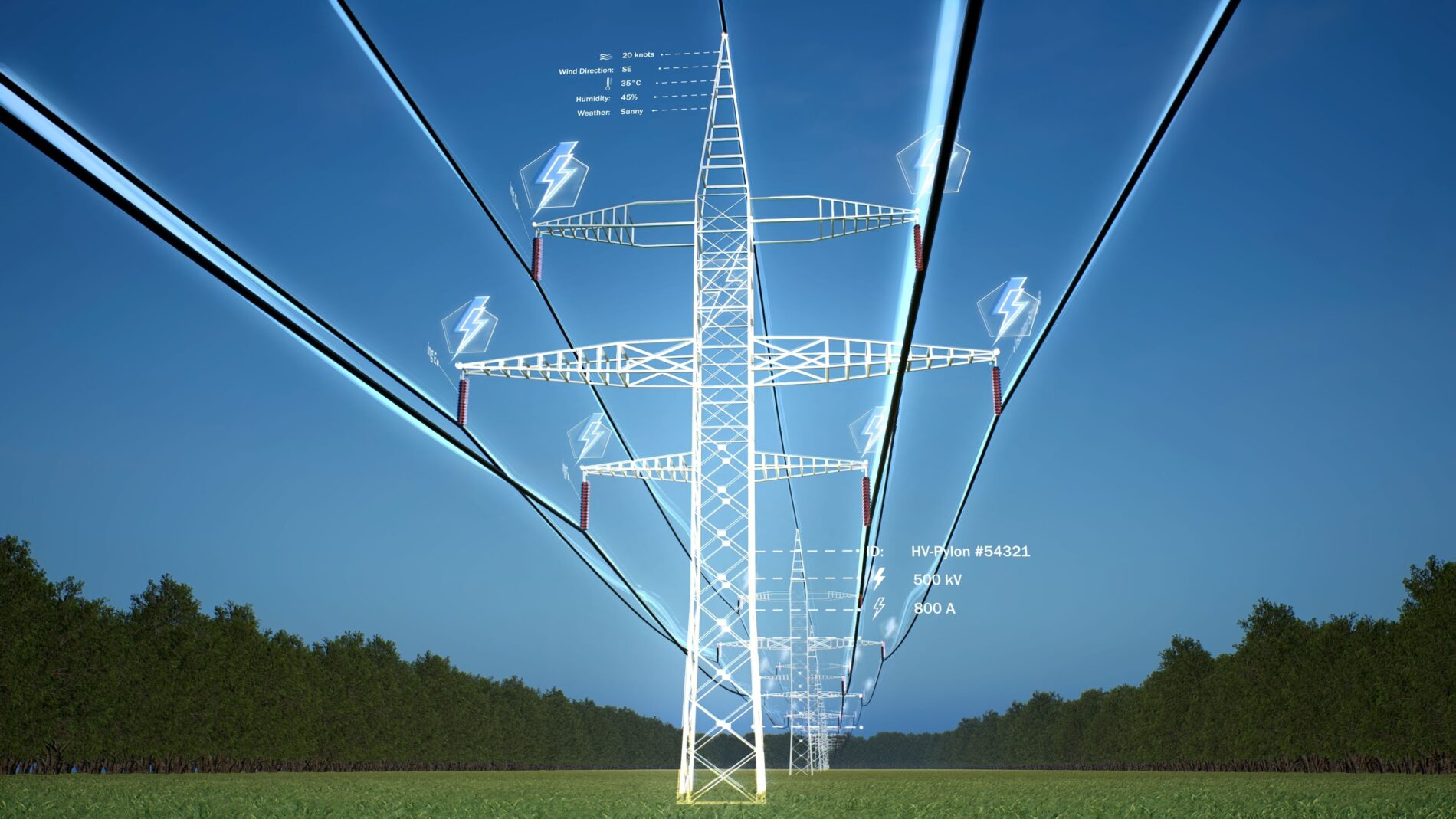
At the same time, surplus electricity is growing because photovoltaic systems feed into the grid almost simultaneously at midday. Storage facilities are lacking, as are flexible consumers. Grid expansion is not keeping pace. This combination is driving redispatch costs even higher, while grid fees are rising continuously.
Why surplus electricity costs billions
Electricity must remain in balance at all times. If too much is fed into the grid, grid operators intervene. Plants are curtailed, even though they could produce cost-effectively. Producers still receive compensation for lost revenue. This means that unused energy is being paid for, even though no benefit is being generated.
Simultaneously, other power plants have to ramp up production to compensate for regional bottlenecks. These are often gas-fired power plants with significantly higher costs. This results in double expenses, which are directly reflected in rising grid fees. Negative electricity prices exacerbate this mechanism because they are occurring more and more frequently.
Redispatch costs due to regional bottlenecks
The system becomes particularly expensive when there are regional imbalances. A lot of solar and wind power is generated in the north, while consumption remains high in the south. If electricity cannot be transported due to a lack of transmission lines, a forced intervention occurs.
In the north, power plants are shut down and compensation is paid. In the south, fossil fuel generation steps in. This combination drives redispatch costs into the billions. In 2023 alone, they exceeded €3.3 billion, and in 2024, they were around €2.7 billion. All indications point to a similar figure for 2025, as negative electricity prices continue to rise.
Rising grid fees as a direct consequence
The costs of these interventions don’t disappear into the system. They are passed on to electricity customers in full via grid fees. Households thus pay for electricity that could have been generated but wasn’t used, and additionally for expensive backup power.
With each additional hour of negative electricity prices, this burden increases. The price increase is not due to scarcity, but to surplus at the wrong time and in the wrong place.
Market distortion through compensation for unused generation
The question of economic logic is increasingly being raised. If producers receive payment even when their electricity isn’t fed into the grid, perverse incentives are created. Plants become profitable even where the grid is regularly overloaded.
This market distortion leads to the construction of new plants in locations that would not be competitive under real market conditions. The surplus electricity continues to grow, while system costs rise. Negative electricity prices are therefore not only a symptom but also an amplifier of this trend.
Surplus electricity remains a structural risk
No relief is in sight for 2025. The grid reserve alone incurred costs of around €267 million in the second quarter. Redispatch and countertrading are additional expenses. The high number of hours with negative electricity prices suggests that the total costs will once again amount to several billion euros.
As long as electricity is produced where it cannot be used or transported, the system remains inefficient. The financial damage increases with each further expansion phase.
Utilization instead of compensation as a solution
The key lies not in the expansion of renewable energies, but in their systemic integration. Electricity should be generated where it can be used or flexibly shifted. Utilization must take precedence over compensation.
Concepts that strategically direct surplus electricity towards consumption could reduce redispatch costs, grid fees, and market distortions. However, as long as negative electricity prices become the norm, electricity surplus will remain not an advantage, but a permanent source of costs. (KOB)