
According to a new report, Germany could significantly bolster its natural gas supply using its own reserves. Hans-Joachim Kümpel, former president of the Federal Institute for Geosciences and Natural Resources, sees sufficient potential in domestic shale gas deposits to extract approximately 20 billion cubic meters of natural gas annually for about 20 years. This would equate to roughly 25 percent of Germany’s current gas demand. Such a move would not merely provide an additional energy source; it would also reduce dependence on imports, stabilize procurement, and enhance resilience against crises for industry, heating supplies, and electricity reserves. However, the crucial political conflict remains unresolved. Extracting this gas would require fracking in unconventional reservoirs—a commercial practice banned in Germany since 2017, even though large quantities of natural gas obtained via this method are imported. (freiheit: 01.06.26)
Natural gas supply relies heavily on imports
Kümpel estimates technically recoverable reserves at around 1,000 billion cubic meters of natural gas. This volume is not found in conventional reservoirs; instead, it is trapped in dense rock. Consequently, conventional extraction methods are insufficient. Fracking would be required to release the gas from the rock.
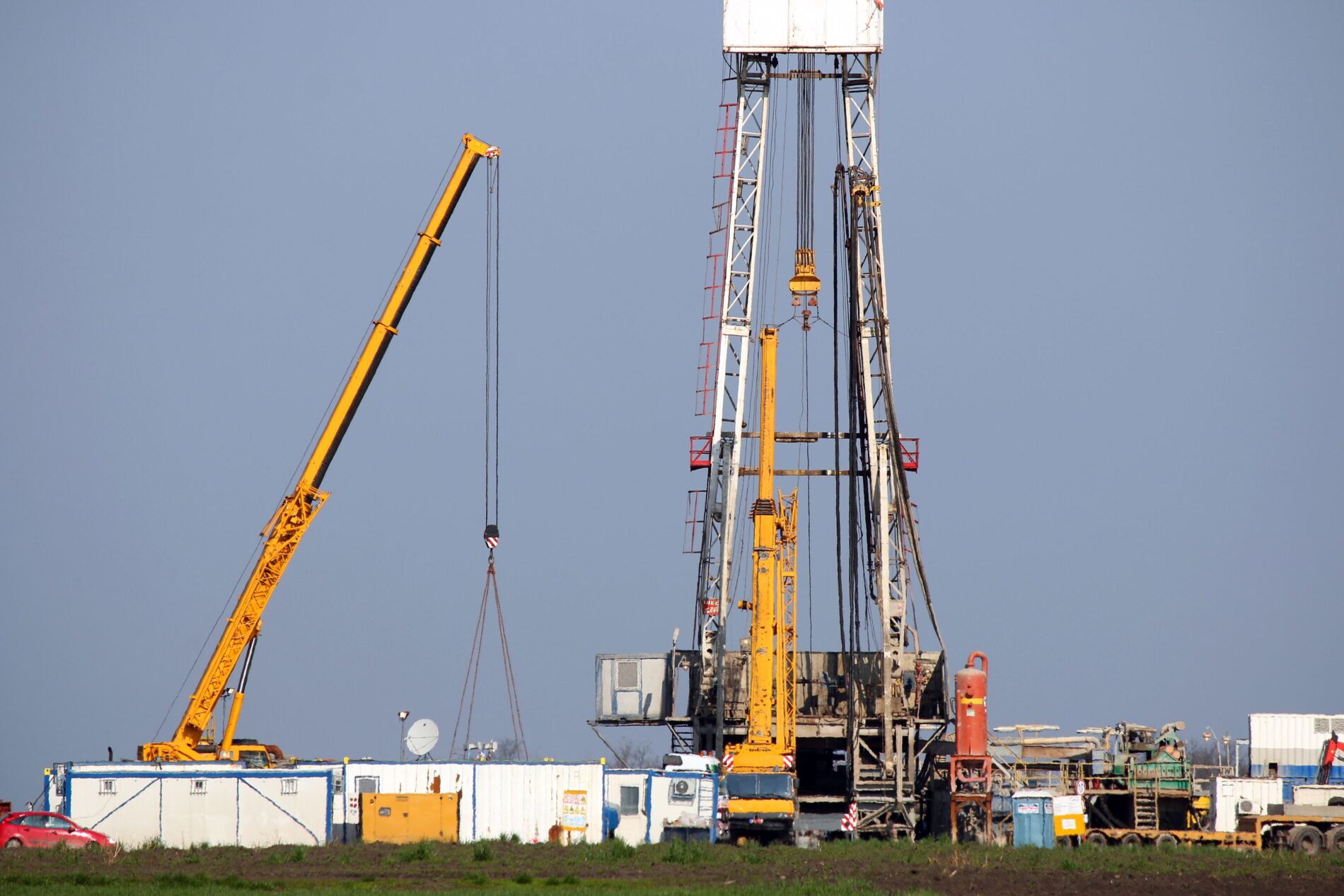
These figures also coincide with a changed situation in the energy market. Germany imports natural gas via pipelines and LNG terminals; some supplies come from great distances. At the same time, industry continues to require reliable gas prices. Consequently, domestic reserves are taking on new importance for the natural gas supply.
Fracking remains politically blocked
In the fracking process, companies inject water, sand, and additives into deep rock formations at high pressure. This creates fine fissures, allowing natural gas to flow toward the wellbore. However, critics warn of potential harm to groundwater, soil, and the climate. These concerns have shaped the German debate for years.
The legal framework places clear limits on extraction. Since 2017, Germany has banned commercial fracking in unconventional reservoirs, permitting only strictly limited research projects. Furthermore, Chancellor Friedrich Merz has stated that he does not intend to propose fracking. As a result, this potential remains politically untapped for the time being.
Domestic gas could reduce import dependency
Around 20 years ago, German natural gas met just under 20 percent of consumption needs. Today, that share stands at less than five percent. Remaining conventional reserves are continuing to decline in importance, and domestic production is at risk of falling further. Kümpel therefore warns of a potential import dependency of up to 100 percent.
The study thus shifts the focus of the debate. It is not merely about a controversial extraction technique; it also concerns natural gas supplies, industrial prices, and geopolitical dependency. While Germany requires natural gas for heating, industry, and electricity reserves, a key decision remains pending: will the country utilize its own reserves, or continue to purchase fracked gas from abroad?