
The Quirnbach municipal council held a vote among residents regarding wind power planning on March 25, 2026, but on May 28, 2026, it made a decision contrary to the majority view of the participants. 145 residents voted against initiating the planning process, while 116 were in favor; thus, 55.6 percent rejected the project. Nevertheless, the council pressed ahead with the land-use planning for the “Drei Eichen” wind farm. Specifically, the project involves a development plan designating a “special zone for wind energy.” The affected area lies in the Westerwald district of Rhineland-Palatinate—north of Koblenz and situated between the villages of Quirnbach, Vielbach, Helferskirchen, and Leuterod. Encroachment on forest areas, nature, and the landscape is a particularly contentious issue. Additionally, local residents fear negative impacts such as noise, shadow flicker, and a decline in property values. Two council members resigned their seats in protest. (rhein-zeitung: 31.05.26)
Municipal council proceeds with planning despite citizens’ “no” vote
The citizens’ poll carried political weight but was not legally binding. It is precisely this arrangement that exacerbates the conflict. The municipality asked its residents for their views, yet the majority of the council did not align with the majority of the participants. Consequently, for many citizens, the vote appears to be a process devoid of consequences.
The municipal council was legally entitled to make a different decision. Politically, however, the matter remains sensitive. Initiating a public consultation creates expectations—expectations that go beyond mere hearings and extend to tangible outcomes. Consequently, the decision strikes at the heart of the municipality’s credibility.
“Drei Eichen” Wind Farm Moves to Next Phase
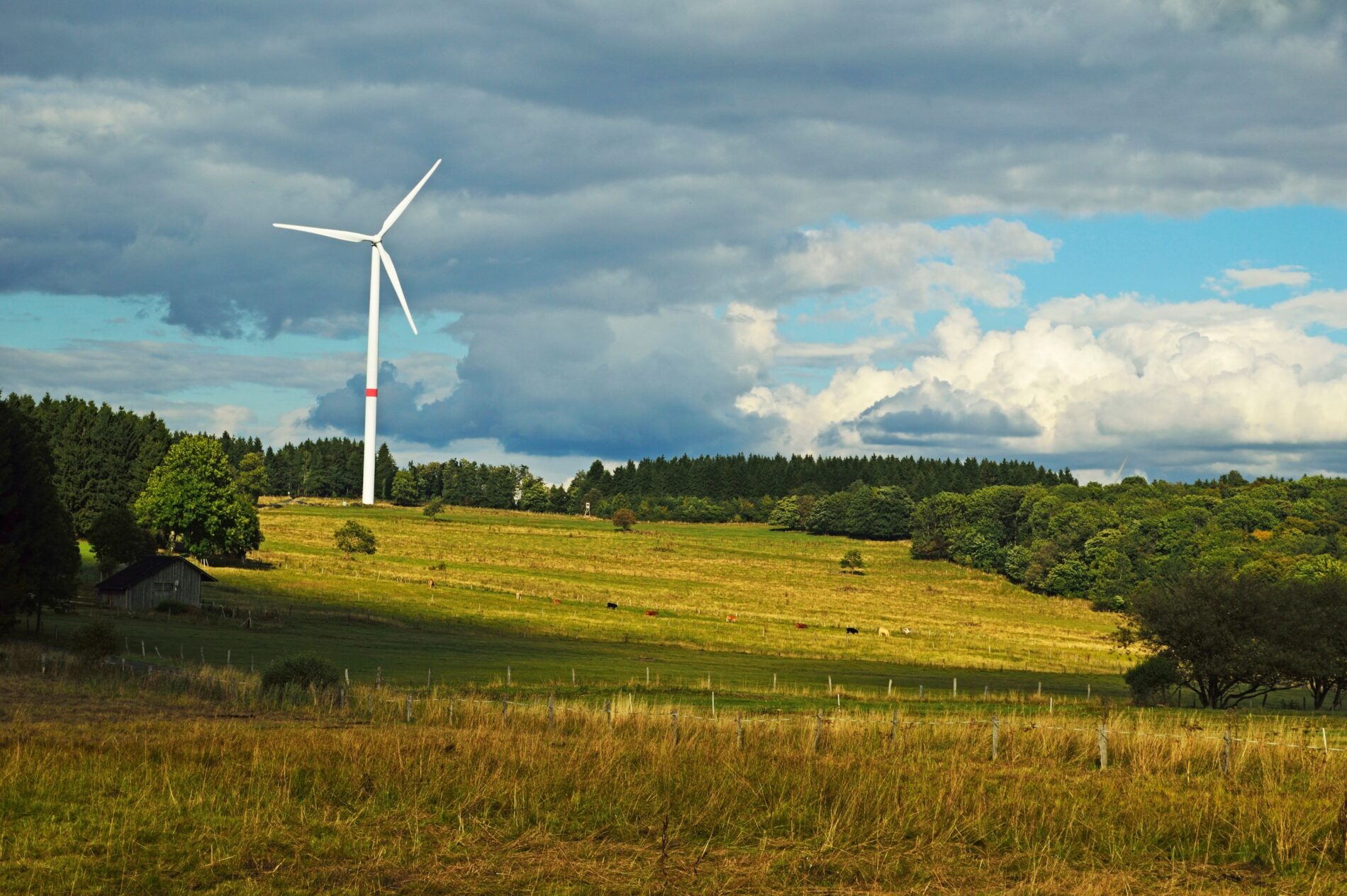
The vote concerned a single wind turbine within the Quirnbach municipal area; however, the site is part of a larger project. The “Drei Eichen” wind farm encompasses land in the vicinity of Quirnbach, Vielbach, Helferskirchen, and Leuterod. Plans have already mentioned up to seven turbines, though no final decision regarding the exact number and location has been reached yet.
The council’s decision does not constitute a building permit, but it does pave the way for the next formal step. Expert assessments, environmental impact studies, and public participation procedures can now proceed. These include considerations regarding species protection, emission controls, and infrastructure development. While the citizens’ rejection carries political weight, it does not halt the planning process.
Citizens See Forest and Quality of Life Threatened
Opponents primarily criticize the proposed location within a sensitive natural area. They fear negative impacts on forest land, the landscape, and local recreational opportunities. They also cite potential burdens on residents, such as noise, shadow flicker, and the visual impact of towering turbines. Concerns regarding potential effects on property values also play a role in the debate.
Fire safety issues further intensify the conflict. Wind turbines located in forests present unique challenges for emergency responders; fighting fires at such great heights is difficult and limited in scope. Critics therefore view this as an additional risk for the fire department and the surrounding area. Proponents, meanwhile, point to the energy transition and the potential for regional economic benefits.
Loss of Trust Following Public Consultation
Energieversorgung Mittelrhein AG has expressed interest in the project. The company proposed financial participation models, citing options such as crowdfunding and project-specific savings schemes. However, specific terms have not yet been finalized, leaving the actual direct benefits for residents unclear.
Quirnbach’s situation reflects a pattern that divides many municipalities: the council allows citizens to vote but then disregards the outcome. While this may be legally permissible, it erodes trust—especially when there is a clear majority voting “no.” Consequently, the conflict surrounding the “Drei Eichen” wind farm does not begin with potential construction work; it starts with how the council handles the public vote.