
A modeling study by the Science Media Center Germany, dated April 29, 2026, suggests that Germany’s electricity supply could be jeopardized starting in 2031 without additional backup power plants. The analysis evaluates the Federal Government’s power plant strategy, which envisages approximately twelve gigawatts of new capacity. Of this total, ten gigawatts are to be generated primarily by hydrogen-ready gas power plants. The central risk factor lies in periods of “dark lulls”—times when wind and solar sources fail to generate sufficient electricity. Consequently, without dispatchable power plants, supply gaps loom as a distinct threat. This analysis provides Katherina Reiche with expert backing, coming as it does after months of facing staunch opposition from environmental groups and segments of the energy transition lobby. (t-online: 02.05.26)
Modeling Study Identifies Backup Power Plants as a Lower Limit
Germany is significantly expanding its wind and photovoltaic capacity; however, these facilities do not replace firm power. Their output is dependent on weather conditions. Consequently, the grid requires power plants capable of stepping in when renewable energy facilities generate little electricity.
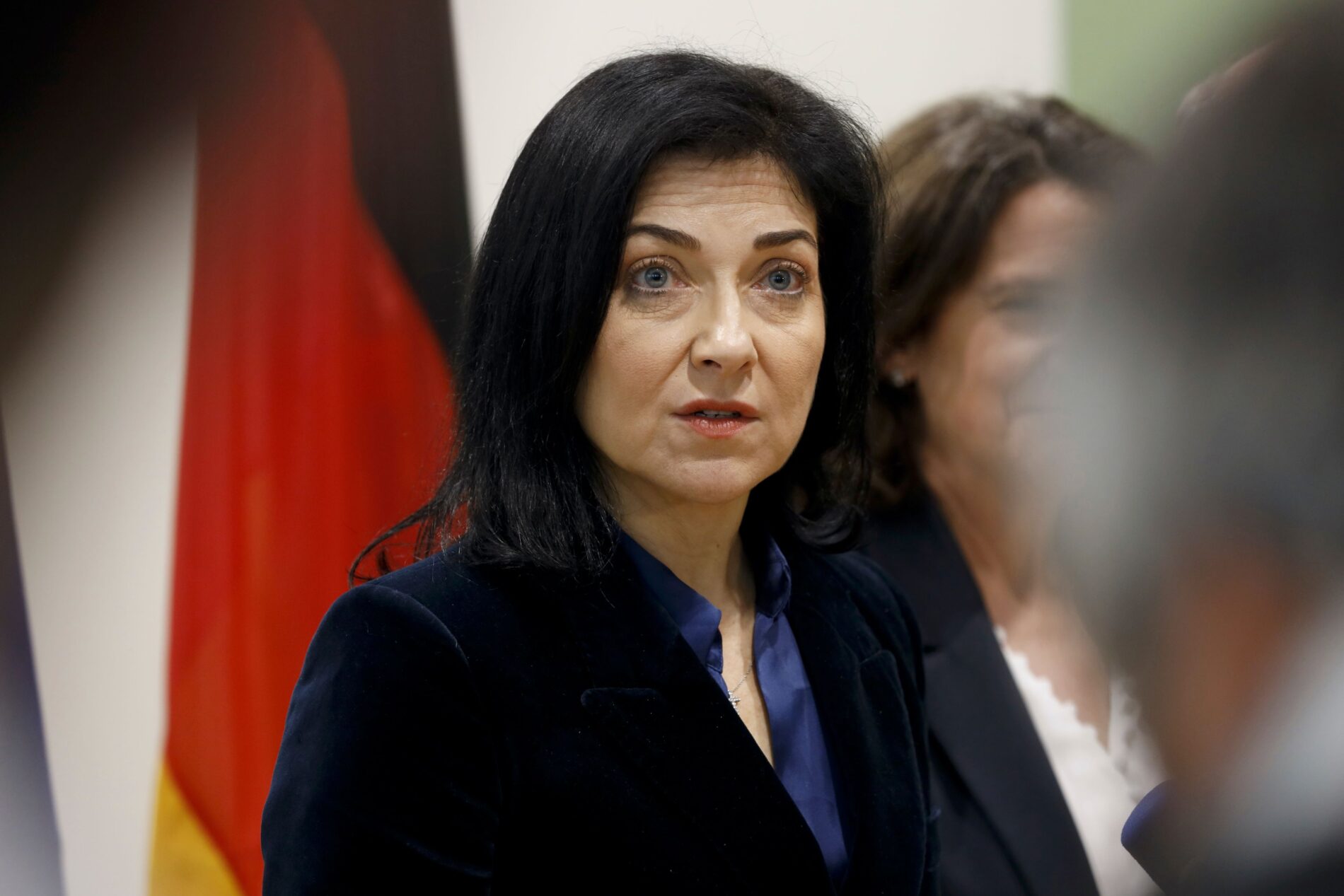
The modeling analysis therefore yields a clear conclusion: the planned capacities do not appear to be oversized. Rather, they represent the lower bound for a stable electricity system following the phase-out of coal.
Battery Storage Does Not Solve the Fundamental Problem
Battery storage cannot solve the problem, as these systems cannot generate electricity—they can only store it. Moreover, they can only charge when surplus energy is available. However, it is precisely this surplus that is lacking during prolonged periods of low wind and solar activity.
Their impact is therefore limited to a duration ranging from a few minutes to, at most, a few hours. Consequently, they are suitable only for stabilizing short-term fluctuations within the grid. However, they cannot replace reliable power plant capacity during extended periods of low renewable output.
Reiche Receives Backing Despite Opposition
Katherina Reiche is pushing for new gas-fired power plants; however, environmental groups repeatedly and sharply criticize this course of action. They warn against investing in fossil fuel infrastructure and incurring additional costs. At the same time, calculations demonstrate that security of supply cannot be achieved without dispatchable power capacity.
These model calculations thus shift the core of the debate. It is no longer solely about climate targets. The decisive factor is security of supply—and, by extension, the question of who will provide electricity when wind, solar, and storage sources prove insufficient. Reiche’s opponents must now provide an answer to this question—one that can withstand the scrutiny of a corresponding model calculation.
Consumers and Industry Bear the Risk
New power plants cannot be built overnight; planning, permitting, and construction take years. Consequently, the Federal Government cannot wait until bottlenecks have already occurred to procure the necessary power capacity.
Industry, in particular, requires a reliable electricity supply at predictable prices. Simultaneously, rising system costs impact private households as well. Without dispatchable power plants, security of supply cannot be permanently guaranteed.