
After more than 160 years, the story of the Baden-Württemberg-based timber company Mocopinus has come to an end in insolvency. The company, headquartered in Ulm, announced on March 5, 2026, that all three German locations would be shut down as a result of the failed insolvency proceedings. The reason for the closure is that, despite an intensive search, management was unable to find an investor for the company or individual business units. Approximately 270 employees in Ulm, Karlsruhe, and Ammelshain near Leipzig are affected. While existing orders will be processed in Karlsruhe and Ammelshain, operations at the other locations will continue only temporarily and will then cease entirely. (t-online: 07.03.26)
Investor process ends without rescue
Mocopinus filed for insolvency in early December 2025 and subsequently initiated self-administered restructuring proceedings. Since then, management and court-appointed advisors have been searching for a viable way forward for the company. However, no solution was found, leading to the decision to close the business.
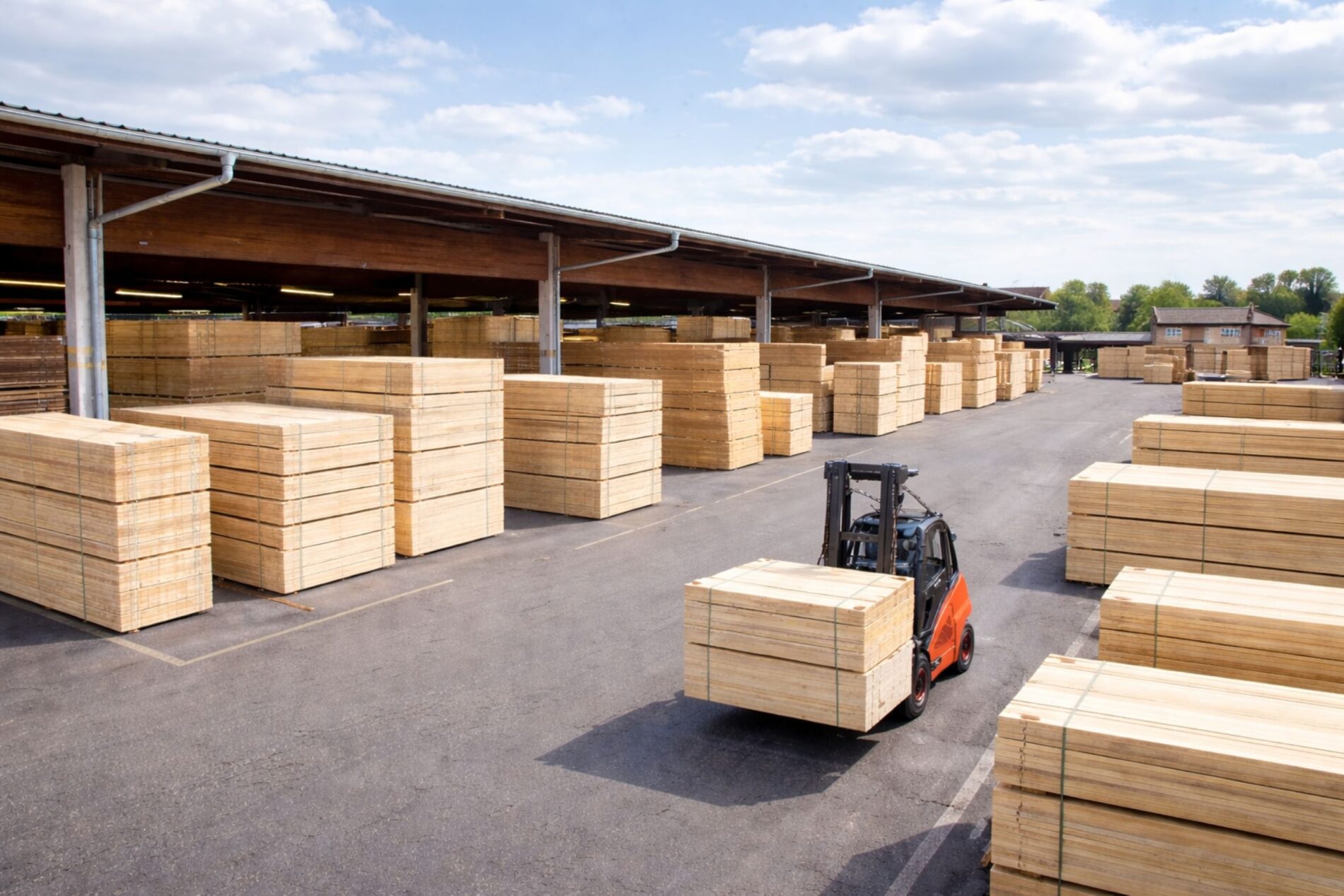
The case affects a long-established industrial company with a rich history. According to the company, Mocopinus traces its roots back to a sawmill founded in 1865. Today, the company is one of Europe’s leading industrial planing mills. It has production facilities in Karlsruhe and Ammelshain, while its administrative offices are located in Ulm.
CEO Ulrich Braig called the decision a severe blow. He stated, “This is an extremely bitter day for Mocopinus and our employees.” At the same time, he emphasized that the company had tried until the very end to save the business from insolvency. However, even operational stabilization in recent weeks was not enough to attract a buyer and secure the company’s future.
Production to Continue Temporarily
Employees learned of the decision at a staff meeting. Approximately 180 people work at the Karlsruhe site, around 60 in Ammelshain, and about 30 in administration in Ulm. Management also informed the works councils about the final closure.
For customers, the decision does not mean an immediate production halt. The plants in Karlsruhe and Ammelshain will complete and deliver existing orders in an orderly manner over the coming months. Afterward, operations will cease entirely, resulting not only in job losses but also the disappearance of a long-established name in the German wood industry. There is one exception, however: the subsidiary Lignum-Finish GmbH in Aitrach, in the Ravensburg district, will remain unaffected by the closure for the time being. Discussions regarding the future of this company are ongoing.