
In Hefei, China has unveiled a prototype that researchers at the Chinese Academy of Sciences are developing for truck-based transport. This mobile nuclear reactor is designed to deliver approximately 10 megawatts of electrical power, providing electricity to AI data centers, remote regions, and ships for decades. The initiative is driven by the rising energy demand stemming from artificial intelligence and mobile infrastructure. However, it remains unclear how China intends to specifically address the challenges of transport, cooling, shielding, and regulatory approval. (telepolis: 02.05.26)
Mobile Nuclear Reactor Set to Deliver Electricity Directly to Consumers via Truck
The prototype is designed to power a medium-sized AI data center. At the same time, the concept targets locations lacking stable power grids. Consequently, the facility aligns with China’s strategy of bringing energy closer to major consumers via truck.
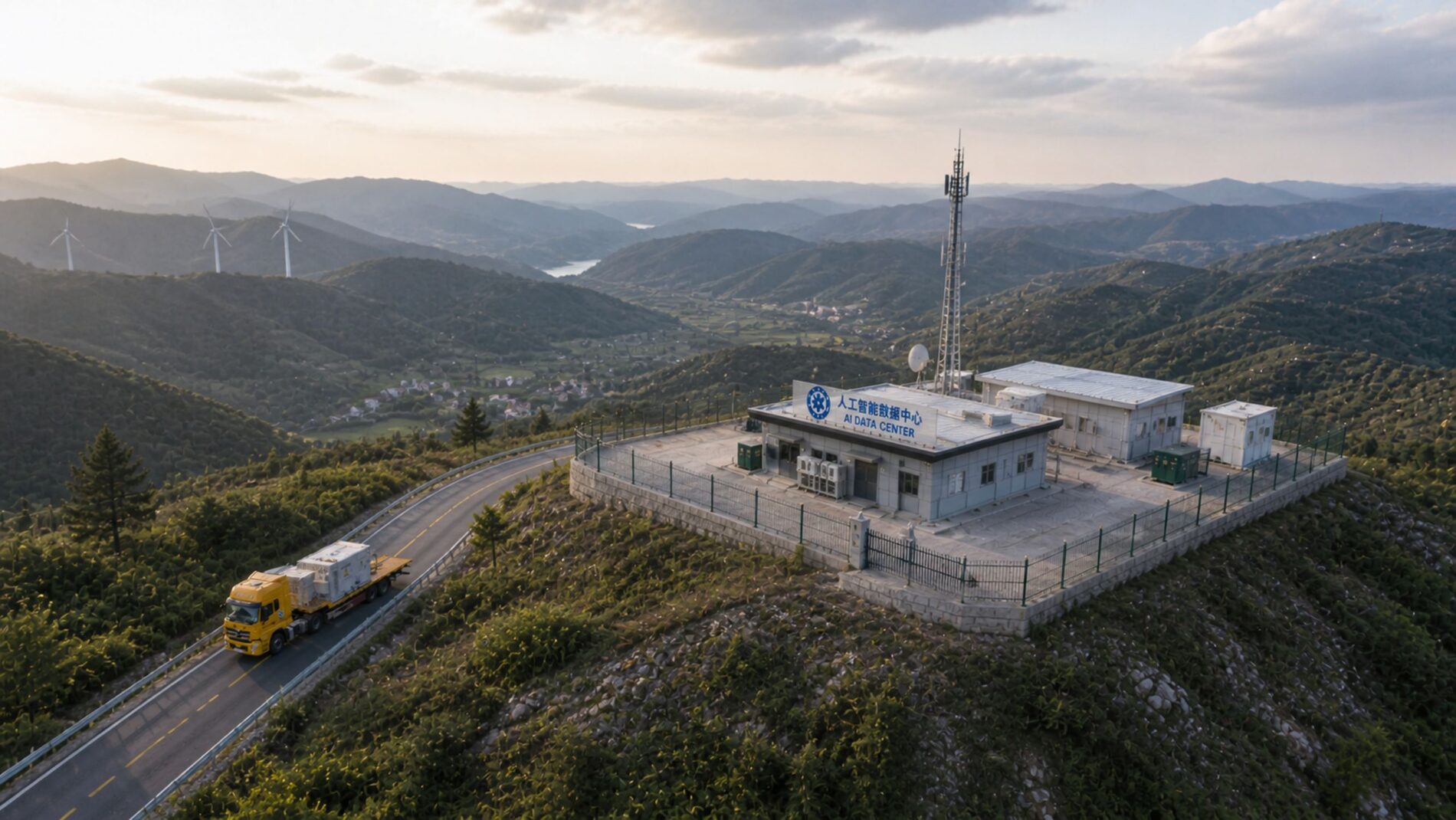
The developers describe it as a compact energy source. It is designed to fit onto a vehicle platform and be deployed flexibly. Consequently, this mobile nuclear reactor could also prove of interest for remote industrial facilities.
Lack of Technical Specifications Hinders Assessment
To date, the researchers have not specified the exact type of reactor involved. The coolant and fuel type also remain undisclosed. As a result, it is possible to evaluate the technical design only to a limited extent.
The institute in Hefei is already working on lead-bismuth reactors; a connection therefore seems plausible. However, the developers have not confirmed this link.
Extended Operation Without Refueling Planned
The reactor is designed to operate for several decades without refueling. This would significantly simplify maintenance and logistics. At the same time, however, it increases the demands placed on materials, shielding, and monitoring systems.
For the time being, the mobile nuclear reactor remains a prototype. The developers have not provided a timeline for certification or mass production. Nevertheless, the project demonstrates the extent to which AI, industry, and nuclear energy could converge in the future.