
Despite massive state aid, the Meyer shipyard in Papenburg is sinking deeper into crisis. In 2024, the federal government and the state of Lower Saxony invested €400 million of their own funds and additionally provided guarantees totaling €2.6 billion. The triggers were heavy losses, expensive legacy orders, sharply increased costs, and a business model with extreme pre-financing requirements. According to auditors, the losses amounted to €260 million in 2023, €575 million in 2024, and a further €271 million is expected for 2025. This brings the total losses to approximately €1.1 billion over three years. At the same time, the auditors cite “significant uncertainty regarding the continuation of the company’s operations,” speak of “considerable doubts,” and even warn of a “risk that threatens the company’s existence.” If the restructuring fails or investors withdraw, further burdens for taxpayers are likely. (bild: 25.03.26)
Meyer Werft remains an expensive special case for the state
The political sensitivity lies not only in the large sums of money involved. The state is supporting precisely an industry that has been considered particularly vulnerable for years. Cruise ships cost billions, construction times are long, and miscalculations have immediate consequences. Therefore, the intervention for the restructuring appears less like a short-term emergency measure and more like a risky gamble with public funds.
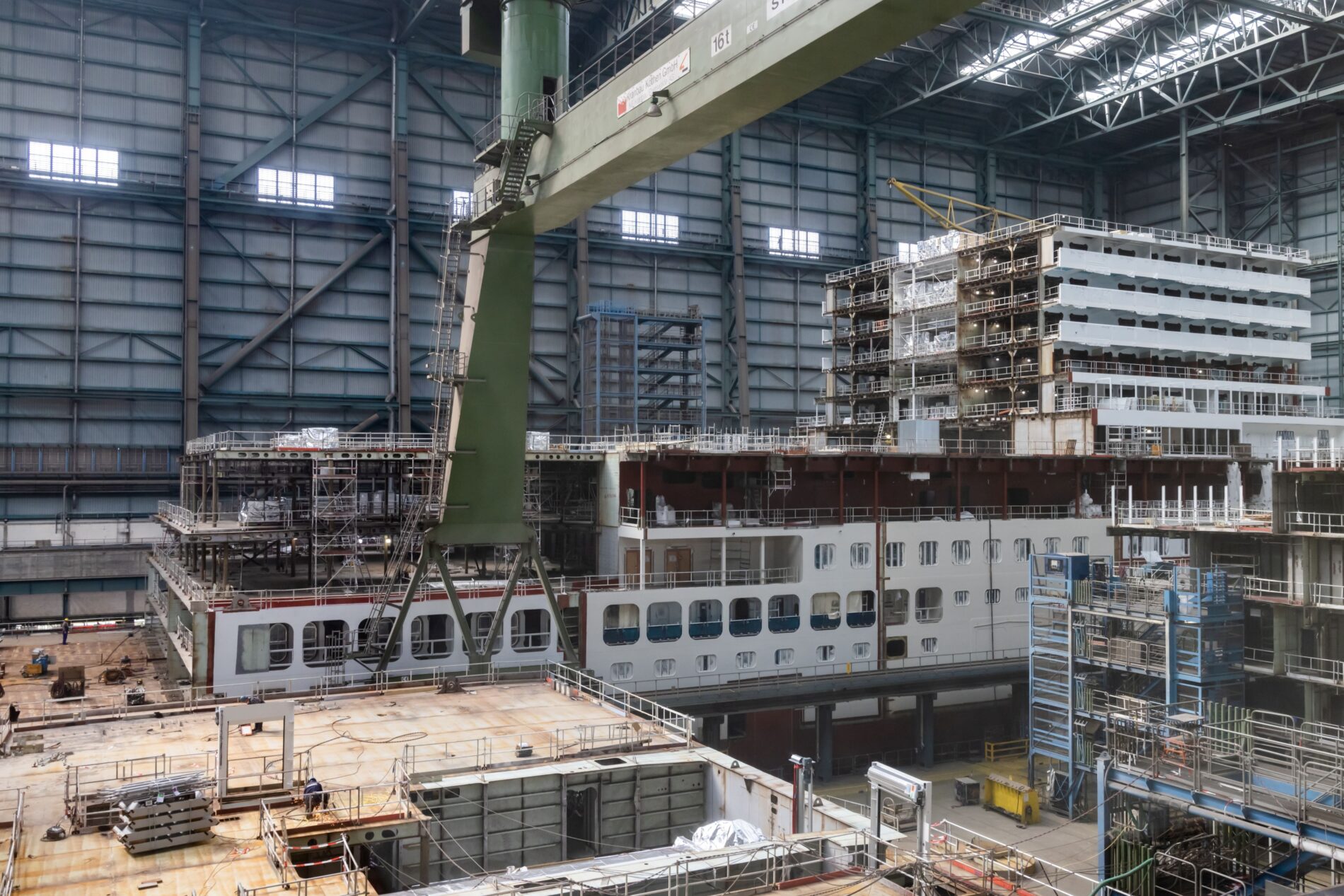
The comparison with other companies further intensifies the criticism. Many businesses in the country are also struggling with high energy prices, weak demand, and expensive loans. Yet they are not receiving bailouts with state capital and billions in loan guarantees. While smaller companies are forced to close, the state is artificially keeping this isolated industrial case alive. This is precisely what makes the support so vulnerable to criticism from many observers.
Auditors issue clear warnings, while the restructuring remains uncertain
The content of the audit report from February 2026 is particularly sensitive. The auditors had already raised the alarm in September 2025. They warned that negative deviations from the assumptions of the restructuring plan or unimplemented measures could trigger new liquidity needs. These might then no longer be covered by the agreed financing framework. This raises the possibility that even the aid provided so far will ultimately be insufficient.
The Meyer shipyard rejects this and emphasizes that the restructuring, scheduled for completion by the end of 2028, remains on track. A spokesperson stated: “Regarding the restructuring, which is scheduled to run until the end of 2028, the company remains on track.” Furthermore, the spokesperson added that the financing requirements are “covered by equity and debt capital.” However, the stark figures tell a different story. The equity capital already invested has been depleted, and further losses are expected. Moreover, the announced departure of CFO Melanie Freytag casts additional doubt on the company’s internal stability.
Taxpayers Bear the Risk
The German government is also tempering expectations of a swift withdrawal. The Federal Ministry for Economic Affairs and Energy explains: “The basis for the federal government’s withdrawal is the sustainable stabilization and restructuring of the company. Only on this basis can possible exit scenarios be meaningfully planned.” This sounds objective, but above all, it means one thing: The state remains tied up for the time being. As long as no genuine stabilization has been achieved, public funds remain tied to this case.
This is precisely where the real problem lies. A temporary rescue could become a permanent situation. If the shipyard continues to burn through cash, the pressure for further aid will increase. Then it’s not just an industrial blunder that’s on the table. It also reveals that the state is channeling large sums into an uncertain restructuring case, while many other businesses disappear without any assistance. For taxpayers, this would send a costly message.