
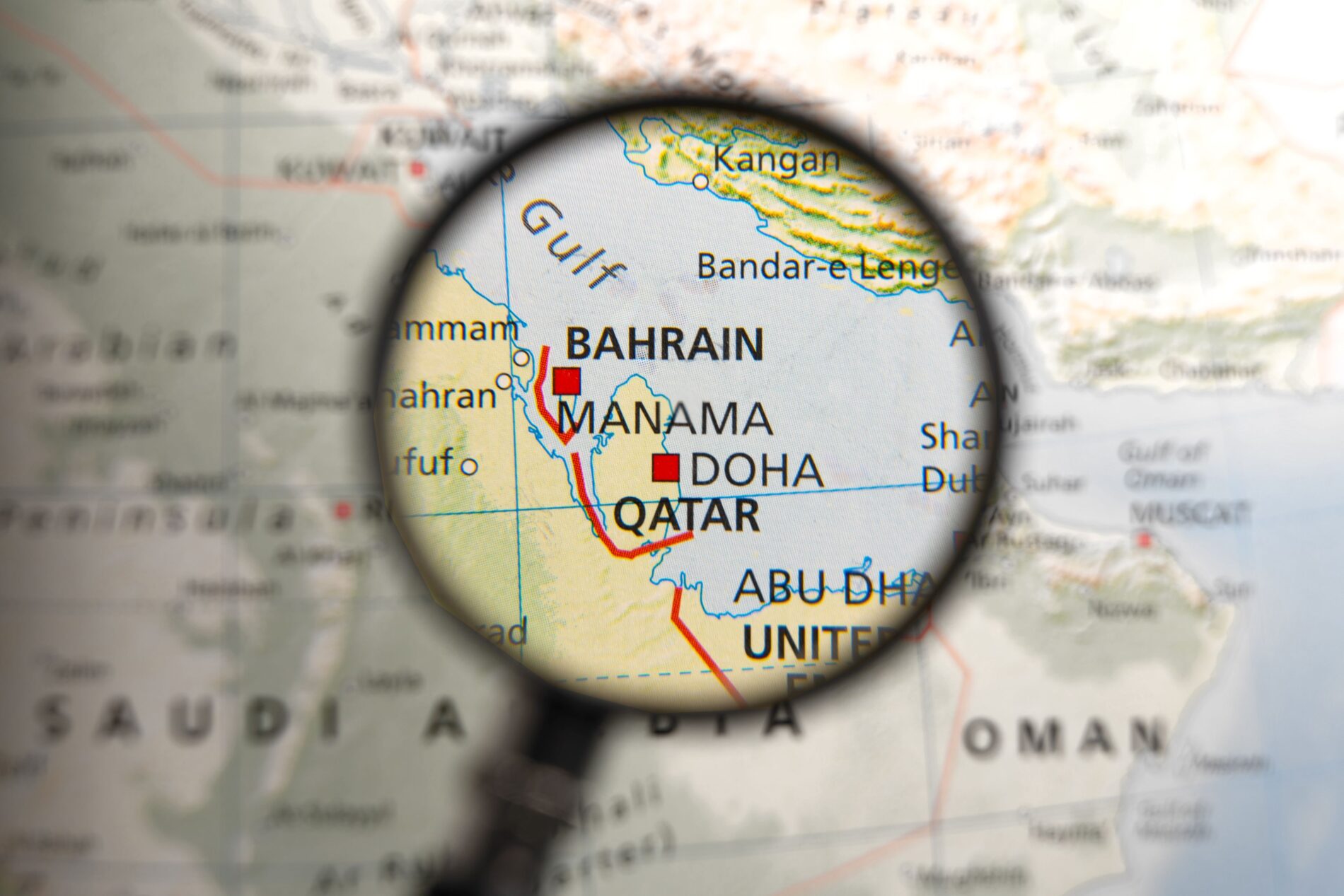
Germany has enshrined its commitment to phasing out fossil gas in its political platform, yet Chancellor Friedrich Merz is courting LNG supply agreements in Saudi Arabia, Qatar, and the United Arab Emirates. This is precisely where the double standard lies, because while Russian gas was excluded using moral arguments, energy cooperation with authoritarian Gulf states is being actively pursued. On the one hand, Berlin invokes values and human rights, while on the other, it negotiates with states that systematically violate these principles. Therefore, the criticism is directed not only at the trip itself, but also at the contradictory justification for the gas strategy. (berliner-zeitung: 04.02.26)
Double Standards Since the Russia Withdrawal and the 2021 Climate Law
The political framework has been in place since 2021, when Germany committed to climate neutrality by 2045 with the amended Climate Protection Act. This mandates the phase-out of fossil fuels, including natural gas, and simultaneously aligns investments accordingly. Additionally, the LNG Acceleration Act stipulates that, from 2043 onward, onshore LNG terminals may only be used for climate-neutral hydrogen and derivatives. Thus, very long-term gas contracts directly conflict with Germany’s own legal framework.
At the same time, following the war in Ukraine, the German government opted to exclude Russian gas deliveries, justifying this move on moral grounds. This is precisely where the debate about double standards arises, because moral criteria lose weight as soon as other supplier countries come into play. While Russia is considered unacceptable, Gulf monarchies are treated as acceptable partners. This difference explains the accusation of double standards.
Khashoggi, Sanctions, and the Death Penalty in the Gulf
The murder of journalist Jamal Khashoggi in 2018 led to concrete German sanctions against Saudi Arabia, and Berlin also halted arms exports. US intelligence reports later concluded that the Saudi Crown Prince had approved the operation that led to Khashoggi’s death. Nevertheless, German politicians are now actively seeking energy agreements with Riyadh. This reinforces the impression of political hypocrisy.
Added to this is the penal practice in the region, as Saudi Arabia continues to carry out a high number of executions. Qatar and the United Arab Emirates also retain the death penalty in their legal systems, although it is applied less frequently. Human rights organizations regularly document harsh sentences and restricted legal procedures. Despite this, these facts play only a minor role in current energy foreign policy, although they were previously the focus of political criticism.
Contract durations – why Gulf LNG and Germany’s phase-out clash
A key point of contention concerns contract durations, as Gulf suppliers almost always opt for very long-term LNG contracts. Qatar and other exporters regularly conclude contracts for 20 years or more, and they also find sufficient buyers in Asia. German authorities hesitated in the past precisely because of these long commitments. This is why no agreement was reached in previous rounds of negotiations.
This conflict arises logically from Germany’s phase-out path, as long-term fossil fuel contracts contradict its own climate goals. On the one hand, Berlin wants to phase out gas, while on the other hand, it is seeking new sources of supply. This exacerbates the double-standard debate once again, because political goals and procurement practices diverge. The criticism is therefore not directed against diversification, but against a lack of stringency.
Experts warn of a break with logic instead of a supply strategy
Energy experts criticize, above all, the line of reasoning and also point to strategic risks. Anyone who morally excludes Russian gas must apply the same standards globally. Otherwise, a selective value system emerges, but not a sound energy policy. This very double standard damages foreign policy credibility.
Furthermore, LNG deliveries remain structurally expensive, as liquefaction, transport, and regasification consume a great deal of energy. Long-term contracts prolong dependence on fossil fuels and simultaneously restrict investment opportunities. Therefore, the Gulf offensive reveals a fundamental problem: Gas policy does not follow a clear path, but rather several contradictory lines. In the now critical natural gas supply situation, Merz’s Gulf trip appears to be an attempt to secure energy supplies at any cost – even if it means sacrificing his own moral standards.