
Following a fire involving a Mercedes EQE in an underground parking garage in Incheon, South Korea, in August 2024, the Korean Competition and Tax Commission (KFTC) has fined Mercedes-Benz approximately seven million euros. The authority accuses the manufacturer of failing to clearly inform buyers and dealers of the EQE and EQS electric vehicles about the actual supplier of the battery cells. The investigation was triggered by the vehicle fire, during which investigators found cells from the Chinese manufacturer Farasis Energy in the affected car. However, sales documents primarily highlighted CATL as the supplier. According to the authority, this created a significant risk of incorrect purchasing decisions. Around 3,000 vehicles are affected, and the case has also been referred to the public prosecutor’s office. (auto-motor-und-sport: 12.03.26)
Battery fire in EQE in Incheon triggers investigation
The case began with a fire in an underground parking garage in Incheon. Authorities then examined the vehicle more closely and discovered battery cells from Farasis Energy. At the same time, the KFTC reviewed promotional materials and internal Mercedes dealer documents.
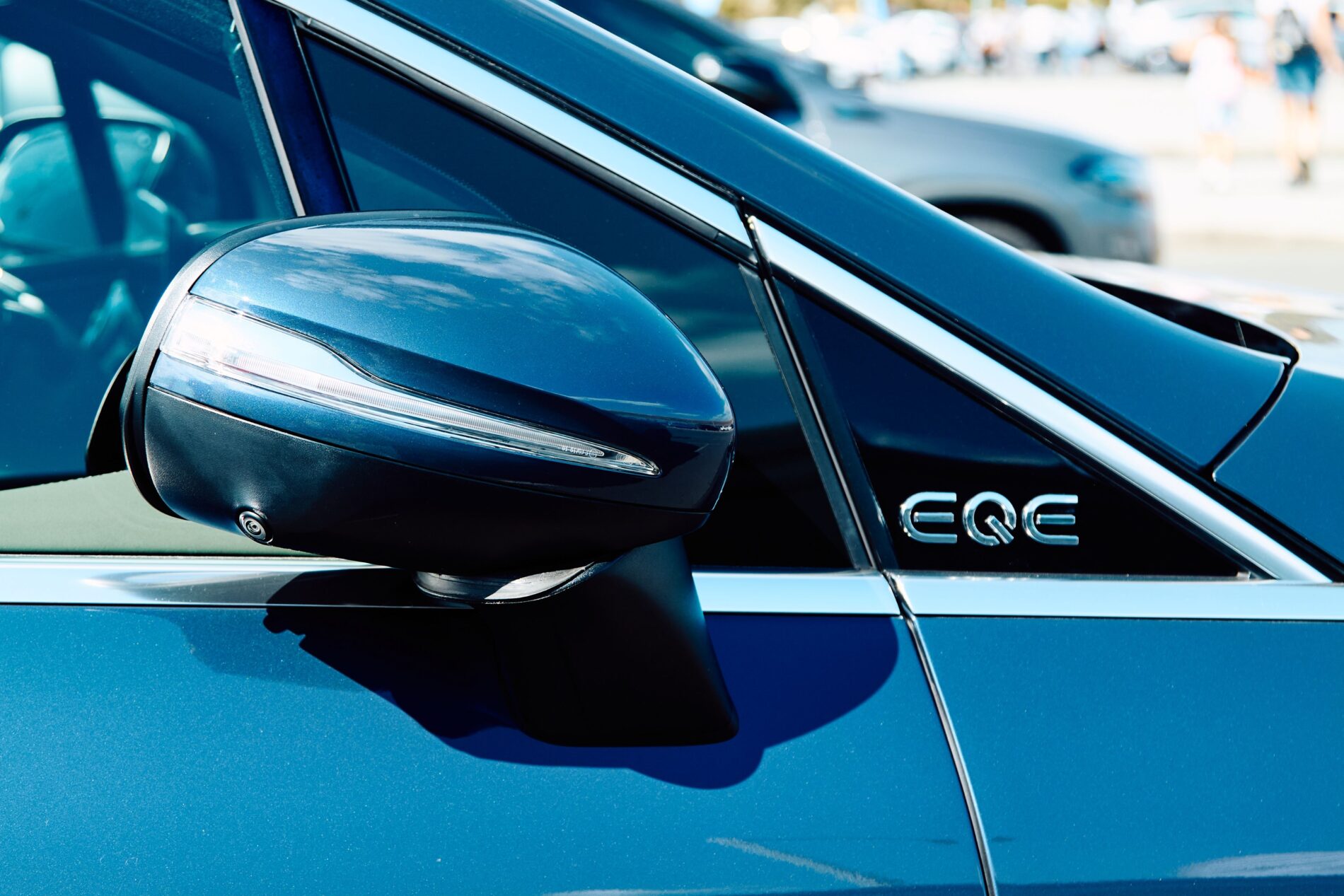
According to the authorities, that was precisely where the problem lay. The documents primarily referenced CATL batteries. However, a clear reference to vehicles with Farasis cells was missing. Therefore, dealers could have advertised the EQE with a technology that wasn’t installed in every vehicle.
Sales of 3,000 Vehicles Put Mercedes Under Pressure
Between June 2023 and August 2024, investigators found that approximately 3,000 vehicles equipped with Farasis Energy batteries were sold in South Korea. The total value of these sales was around €176 million. Therefore, the authorities did not consider this an isolated incident. Rather, they saw a systemic problem in the marketing.
According to the Korea Financial Technology Commission (KFTC), the fine corresponds to approximately four percent of the revenue generated by these vehicles. The authority thus imposed the maximum possible sanction for unfair business practices. Furthermore, it referred the case to the public prosecutor’s office. According to the KFTC, both the German headquarters and the South Korean subsidiary may have been involved in the creation and distribution of the documents.
However, Mercedes-Benz Korea disputes the decision on key points. The company stated that it respects the authority’s decision but disagrees with the final assessment. Therefore, Mercedes is examining legal options and considering an administrative appeal. At the same time, the company emphasizes that it has provided accurate information about the vehicles and technology to the media and customers. The EQE and EQS case is likely to increase pressure on manufacturers to disclose their battery suppliers even more clearly in the future.