
In Mannheim, the gas network is to be gradually phased out, affecting around 25,000 households, according to reports. Many will have to decide whether district heating is available or whether a heat pump remains a viable option, as switching later could be expensive. The CO₂ price is further increasing the cost of gas, causing cost-effectiveness calculations to falter faster than many homeowners expect. (zeit: 30.12.25)
Mannheim risks eroding trust because the plan is faster than the necessary safeguards.
Mannheim presents itself as a pioneer, but the city has long communicated its course only as a “target corridor,” simultaneously raising expectations. Many citizens invested in gas only to hear about 2035 as the phase-out date. This generated anger because planning certainty is what matters in the boiler room, not in City Hall.
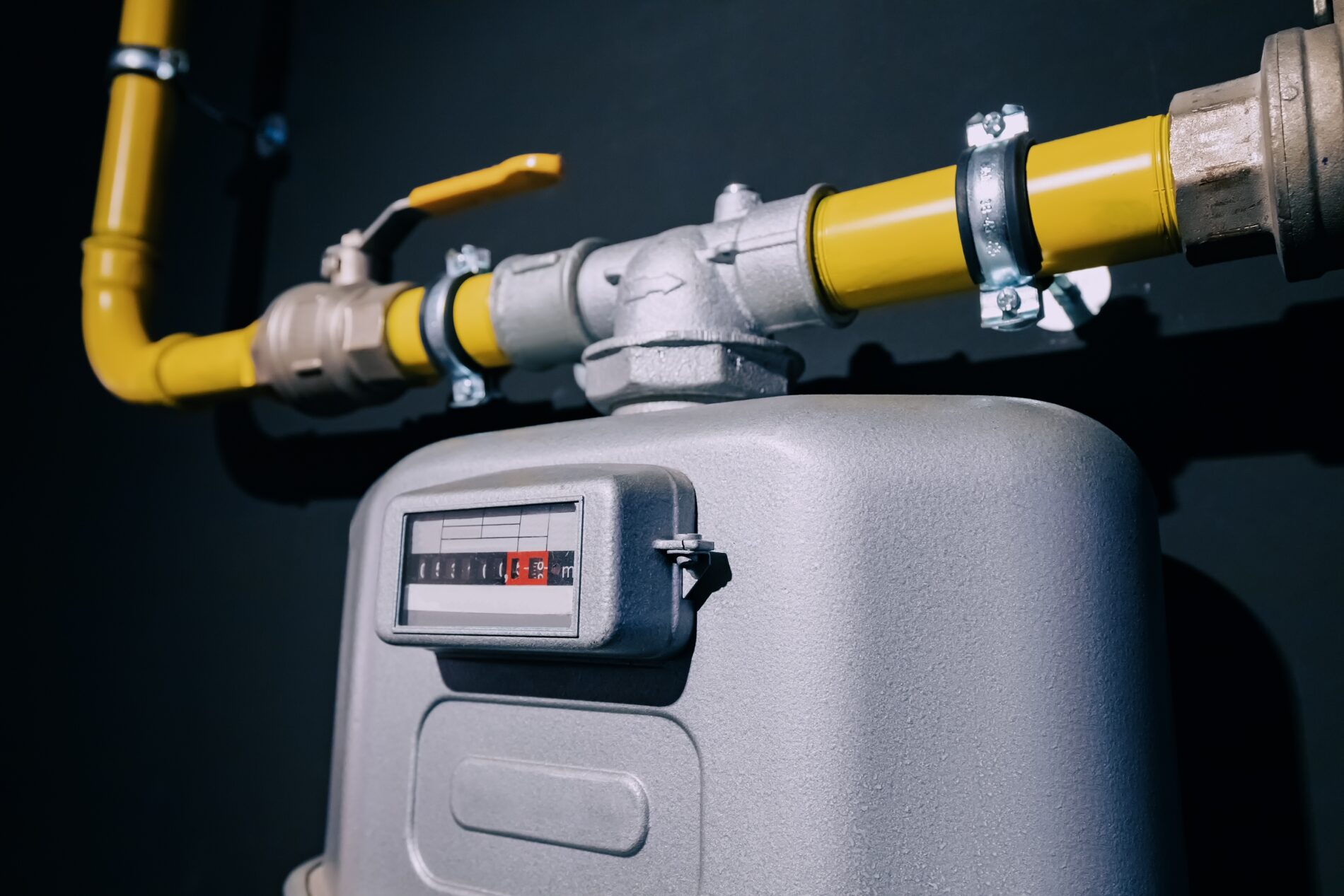
The city of Mannheim likes to point to climate goals, but it also needs to explain who will bear the transition costs. Chief Technology Officer Hansjörg Roll says: “How quickly we actually phase out gas will be decided by the customers,” and that sounds like a choice. In practice, however, a pull is created because rising network charges and the CO₂ price make remaining on the gas network financially less attractive.
25,000 households as a figure, but no clear answer regarding the social hardship
The city is stating the direction, but it is not yet providing many property owners with a reliable cost outlook. Those living in unrenovated houses often first need to make improvements to the building envelope or heating system, and that costs time and money. Older owners, in particular, are losing track, even though they are expected to make quick decisions.
MVV (Munich’s utility company) is openly calculating the impact of the withdrawal, and Roll warns: “And the last ones in will be the ones who suffer!” The problem doesn’t hit the operator first, but rather the remaining customers, because they bear the network costs of the gas network. If Mannheim wants to shut down the district heating network, it needs more than just appeals; it needs clear safeguards for hardship cases.
District heating as a solution, but not a promise for everyone
The heating plan relies heavily on district heating, which seems plausible in densely populated areas. Nevertheless, coverage remains limited, and many outlying areas lack a network connection. Furthermore, the city links expansion to quotas, meaning that connection often depends on neighbors.
While Mannheim talks about expansion, the speed of implementation determines acceptance. If district heating arrives late, households will opt for interim solutions, which cost twice as much. The CO₂ price also has an impact here, as gas is more expensive during the transition phase while the final alternative is still pending.
Heat pumps as the standard, even though networks and buildings aren’t compatible everywhere
Outside the designated expansion zones, the debate quickly turns to heat pumps, and that sounds simpler than it is. In some streets, the electrical capacity isn’t yet sufficient, and individual houses need additional renovations. The city needs to address this reality more proactively, otherwise frustration will arise and investments will be wasted.
Furthermore, the legal framework for decommissioning remains partially open, which is politically risky. While Roll emphasizes, “We have a supply obligation, and we will fulfill it,” Mannheim simultaneously plans to dismantle the gas network. Without clear rules for decommissioning, the natural gas network could become a point of contention, and then all parties involved will lose time.
What property owners should check now, before Mannheim takes decisive action
Property owners should first clarify whether district heating or local heating is realistic in their area, with concrete deadlines. If the network isn’t implemented, they should have the technical feasibility of a heat pump assessed, also evaluating the electricity connection and space requirements.
At the same time, households should honestly calculate the cost development, as the CO₂ price has an impact year after year. The CO2 tax makes fossil fuel heating more expensive, and it can quickly reverse a seemingly favorable transitional solution. Mannheim can only justify this radical course if the city explains and expands the infrastructure more quickly and actively prevents social divisions.