
On May 19, 2026, Germany and China agreed upon a new environmental financing initiative in Berlin. To this end, the KfW is providing a loan of approximately 70 million euros. The funds are intended to improve water quality in the heavily polluted Hanjiang River. For decades, plastic waste, sewage, and contaminated stormwater runoff have been polluting the waterway in this region. The Hanjiang is part of the Yangtze River basin; consequently, the project also contributes to marine conservation. At the same time, however, criticism is mounting within Germany. Many municipalities are facing pressure to cut costs, even though roads, bridges, schools, hospitals, utility networks, and disaster preparedness systems require substantial investment. (focus: 20.05.26)
China Receives KfW Loan for Heavily Polluted River
Since the 1980s, the Hanjiang River has been regarded as an environmental problem. Waste and untreated discharges are compromising its water quality. Consequently, new facilities are to be installed to intercept pollutants at an earlier stage. With this measure, China aims to prevent further contamination from entering larger river systems.
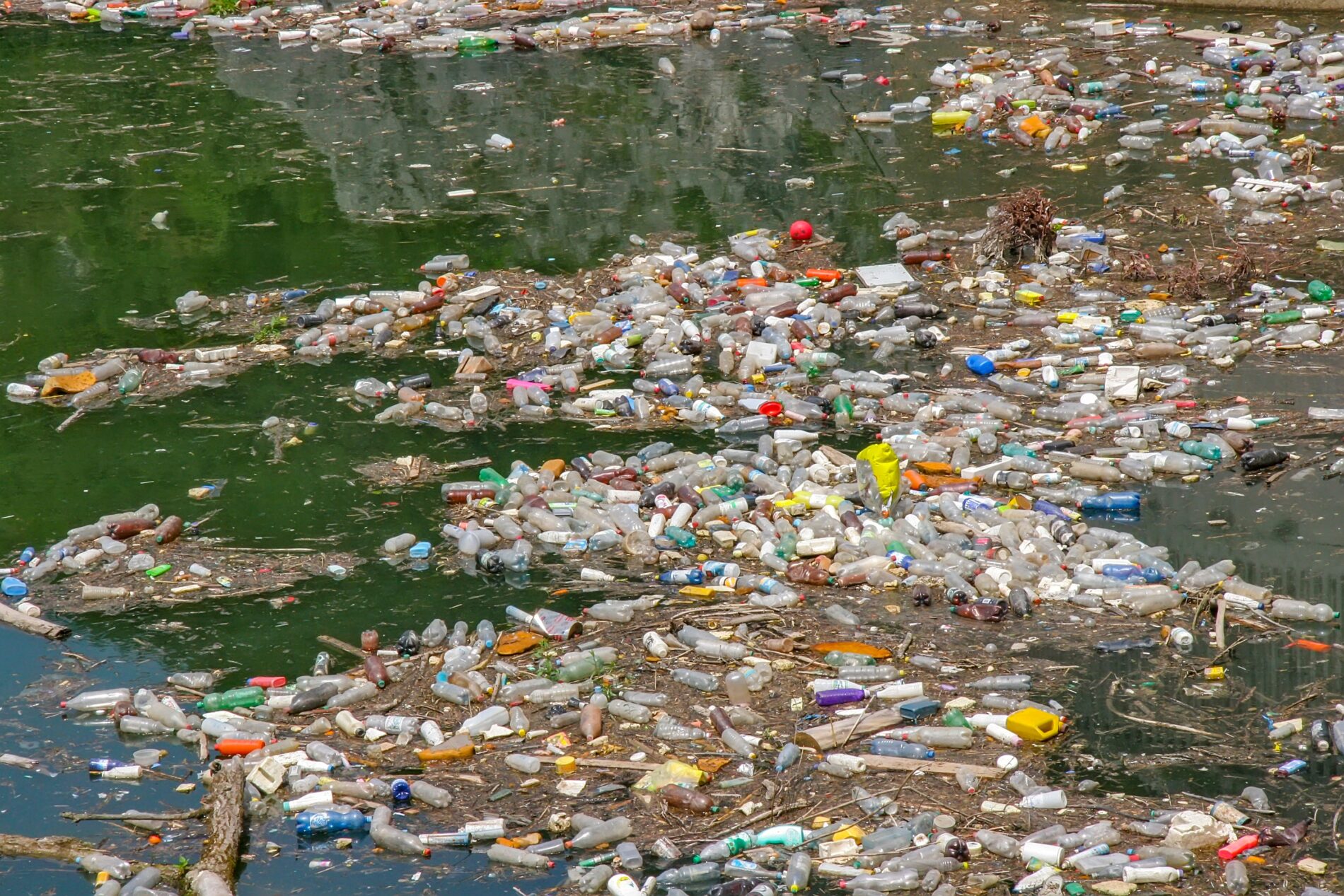
The project encompasses modern wastewater systems. Furthermore, the aim is to improve the collection and treatment of contaminated rainwater. This is intended to prevent plastic and other pollutants from continuing to flow toward the Yangtze River. The Federal Government therefore emphasizes the importance of protecting international waters.
Criticism of German Funding for China
However, the dispute does not revolve around clean rivers. Environmental protection remains essential. Instead, the criticism targets Germany’s involvement in a project located in China—specifically because the People’s Republic has long since established itself as one of the world’s leading economic powers.
China is investing massively in industry, infrastructure, and technology. Moreover, in many sectors, the country acts as a direct competitor to Germany. Consequently, the loan appears politically sensitive: Germany is supporting an environmental project in a nation that is itself capable of mobilizing enormous financial resources.
Germany Has Its Own Infrastructure Challenges
Many cities and municipalities are postponing investments. Roads are crumbling, bridges are aging, and schools are reporting a need for renovation. Furthermore, costs for energy, security, and administration are on the rise. Consequently, many citizens are asking themselves why German capital is flowing into an environmental project in China.
Germany’s water management sector is also in need of increased funding. In many places, heavy rainfall is overwhelming sewage systems. Moreover, pipelines, retention basins, and protective systems require modernization. At the same time, the strain on power grids, hospitals, and disaster response services is growing.
Federal Government Points to Repayment
The Federal Government emphasizes a crucial point: the funds are not intended to be disbursed as traditional development aid. China is required to repay the loan—with interest. Nevertheless, the matter still calls for further explanation.
Traditional development cooperation with China largely came to an end back in 2010. The reason for this lay in China’s economic rise. Consequently, this new initiative is being met with skepticism. Germany should not ignore global environmental problems; however, its priorities must remain transparent and justifiable.