
Due to excessively thick ice, no LNG tankers can currently call at the terminal off Rügen. The Prorer Wiek bay and the port of Mukran are completely frozen over. This makes the shipping channel unsafe to navigate. Without safe passage, there can be no arrivals and no regular shipping operations at the terminal. (nordkurier: 06.02.26)
Planned arrival canceled: “Minerva Amorgos” cannot dock
The gas tanker “Minerva Amorgos” was scheduled to dock at the terminal, but the attempt failed. The appointment had already been postponed previously. The ship also failed to arrive on the most recently scheduled Thursday evening. As a result, the planned changeover at the terminal did not take place.
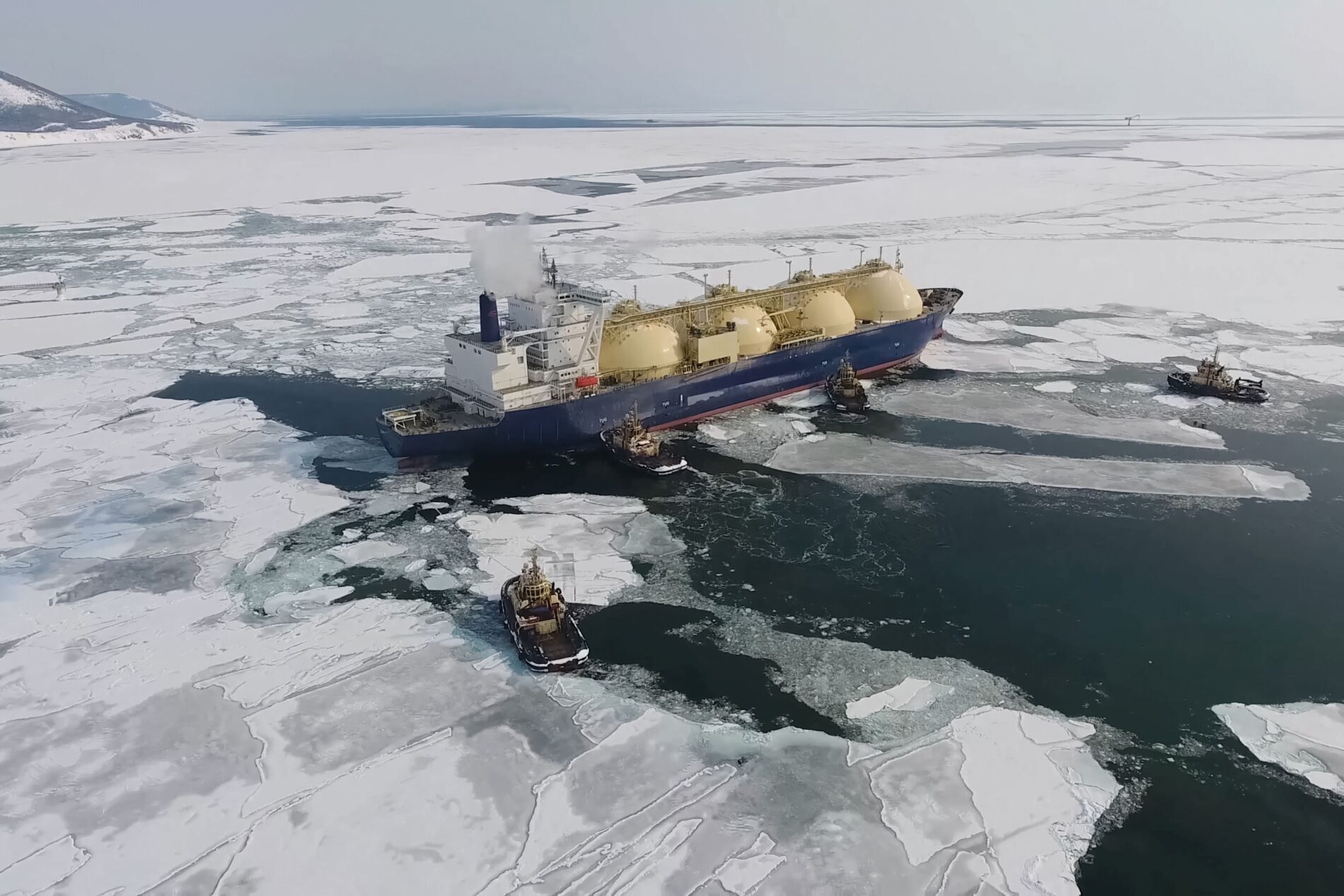
On Friday, the “Maran Gas Nice” remained docked alongside the “Neptune,” which serves as a floating terminal. The tanker will thus remain in port longer than planned. This is significant because the terminal operates on fixed time slots for arrivals. If a changeover is missed, the entire schedule is disrupted.
Slots out of sync – operator declines to comment on gas injection
According to a spokesperson, the “Minerva Amorgos” was scheduled to replace the “Maran Gas Nice.” Slots at the LNG terminal are normally allocated for one week at a time. The “Maran Gas Nice” remains at the terminal because the ice cover is blocking the shipping channel. The vessel cannot safely depart, and a replacement cannot enter. This illustrates the extent to which ice conditions are disrupting the schedule.
An inquiry to the operator, Deutsche Regas, regarding potential impacts on gas injection has so far gone unanswered. Therefore, there is no public statement on whether injection volumes are affected. One thing is clear, however: without a port call, no tanker can bring LNG to the terminal, and without deliveries, the basis for regular transshipment is lacking.
BSH: Wind pushes ice together, fairway buoys shift position
The Federal Maritime and Hydrographic Agency (BSH) reports particularly difficult ice conditions off the east coast of Rügen and Usedom. The wind is pushing the ice further together. This is causing ice fields to thicken and narrowing fairways. For large LNG tankers, this reduces their navigational margin.
In addition, floating buoys that mark fairways are affected. Due to the ice conditions, some are no longer in position. Some are even under the ice. This means that important markers for safe entry are missing.
Icebreaker “Arkona” already assisted, further deployment in Mukran uncertain
On Wednesday, the icebreaker “Arkona” assisted the “Minerva Amorgos” out of the ice. The tanker then moved to a position further away from the island, where there was no ice cover. This resolved the immediate blockage of the ship, but not the bottleneck at the terminal entrance. The Prorer Wiek bay off Mukran remains the crucial point.
According to ship tracking services, the “Arkona” moved slowly for hours on Friday through the Greifswalder Bodden lagoon and past the southeastern coast of Rügen. At times, it was ahead of a tanker and a freighter. It is unclear whether it will intervene again in the Prorer Wiek bay. A spokesperson for the Waterways and Shipping Authority Baltic Sea (WSA) was initially unable to comment.
Blockade Hits Critical Gas Supply and Low Storage Levels
The situation remains clear: As long as the shipping channel is not safely navigable, LNG tankers will stay away from the terminal. As long as tankers stay away, the planned ship swap will not take place. And as long as the swap does not happen, at least one tanker will remain at the terminal longer than planned.
This blockage of the LNG terminal coincides with an already strained situation in the German gas market. Storage levels are still considered extremely low for this time of year, and supplies remain heavily dependent on reliable import flows. If arrivals are further delayed due to ice or weather, this will reduce the system’s available flexibility in the short term. Especially during periods of high demand, every functioning LNG unloading therefore becomes even more crucial.