
In April 2026, LEAG put the brakes on its large-scale battery storage plans in Lusatia. The focus is on Jänschwalde in Brandenburg, but Boxberg in Saxony is also affected. The trigger was considerations regarding new grid fees, which could place a greater burden on large-scale storage facilities. This jeopardizes a multi-billion-euro project intended to store electricity generated from wind and solar power, stabilize the grid, and safeguard the structural transformation following the phase-out of coal. The main risk lies in rising additional costs and the potential loss of grandfathering provisions. The consequences therefore range from a halt to investment to increased uncertainty regarding energy supply, expansion targets, and new jobs in Lusatia. (radio-cottbus: 13.04.26)
LEAG sees battery storage threatened by new fees
A gigawatt-scale storage facility was planned for Jänschwalde. According to previously known information, the plant was to reach approximately 1,000 megawatts of power and 4,000 megawatt-hours of capacity. Additionally, another large-scale project with 400 megawatts and 1,600 megawatt-hours is underway in Boxberg. Both projects are part of the strategy to transform former coal-mining sites into new energy hubs.
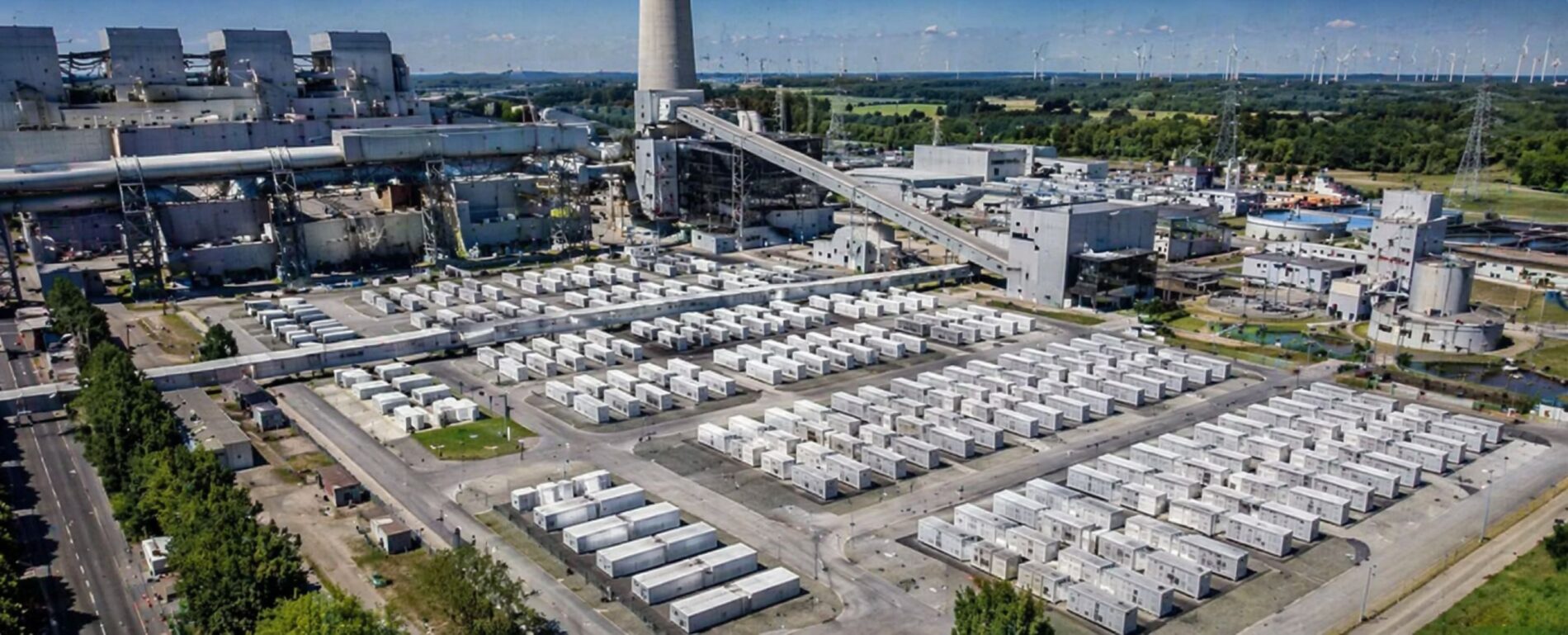
But the economic foundation is crumbling. This is due to plans by the Federal Network Agency that could jeopardize existing advantages for battery storage. According to the industry, a regulation has been in place so far that exempts storage facilities connected to the grid before August 4, 2029, from grid fees for 20 years. Investors based their calculations precisely on this framework, while its elimination would massively increase costs.
Billions in investments in Lusatia are in jeopardy
For Lusatia, failure would be more than just a setback for an individual project. The storage facilities were intended to help balance fluctuating feed-in from renewable energies. At the same time, they were meant to make the supply more stable after the end of coal-fired power generation. Without such large-scale storage facilities, the transformation of the energy system will be more difficult because surpluses from wind and solar power will be harder to utilize.
In addition, there is the regional dimension. The planned facilities are considered key projects for the structural transformation of former lignite mining areas. They also represent investments in the billions and new industrial prospects in Brandenburg and Saxony. If this perspective disappears or is delayed, the region will lose momentum in restructuring its economy.
Why the debate about grid fees is now becoming critical
LEAG is therefore putting pressure on policymakers and regulators. From the company’s perspective, and that of other players in the energy storage sector, reliable rules are needed to prevent ongoing and planned projects from becoming unprofitable retroactively. The conflict is affecting a market that is actually growing in Germany, while large-scale storage facilities now face additional hurdles.
The final word has not yet been spoken. However, it is already clear that decisions regarding grid fees will have a direct impact on Jänschwalde, Boxberg, and other storage projects. This is critical for Brandenburg because security of supply, investment, and structural change are closely intertwined. If the uncertainty persists, a prestigious project could quickly become a warning sign for the entire energy transition in eastern Germany.