
According to a study by JP Morgan, Europe could enter a critical phase regarding oil supplies starting April 10th, because the Strait of Hormuz is effectively blocked, preventing any new crude oil shipments from the Persian Gulf. The US investment bank estimates that the last shipments sent before the start of the war in the Middle East will reach their destination by this date; after that, an import halt is imminent. However, the conflict is not only affecting Europe, but also large parts of Asia, southern Africa, and later North America. The situation is particularly precarious because, in addition to crude oil, diesel, kerosene, and naphtha are also affected. This increases the risk of disruptions to transportation, agriculture, heating, and air traffic, while millions of barrels are already missing from the global market. (focus: 05.04.26)
Africa and Asia hit crisis mode first, according to JP Morgan
According to the study, Asia and southern Africa are suffering even more than Europe from the consequences of the crisis. Most deliveries to these regions have been disrupted since April 1st, while southern Africa has been struggling with declining import volumes since March 15th. This exacerbates the situation because many countries there are heavily reliant on functioning supply chains.
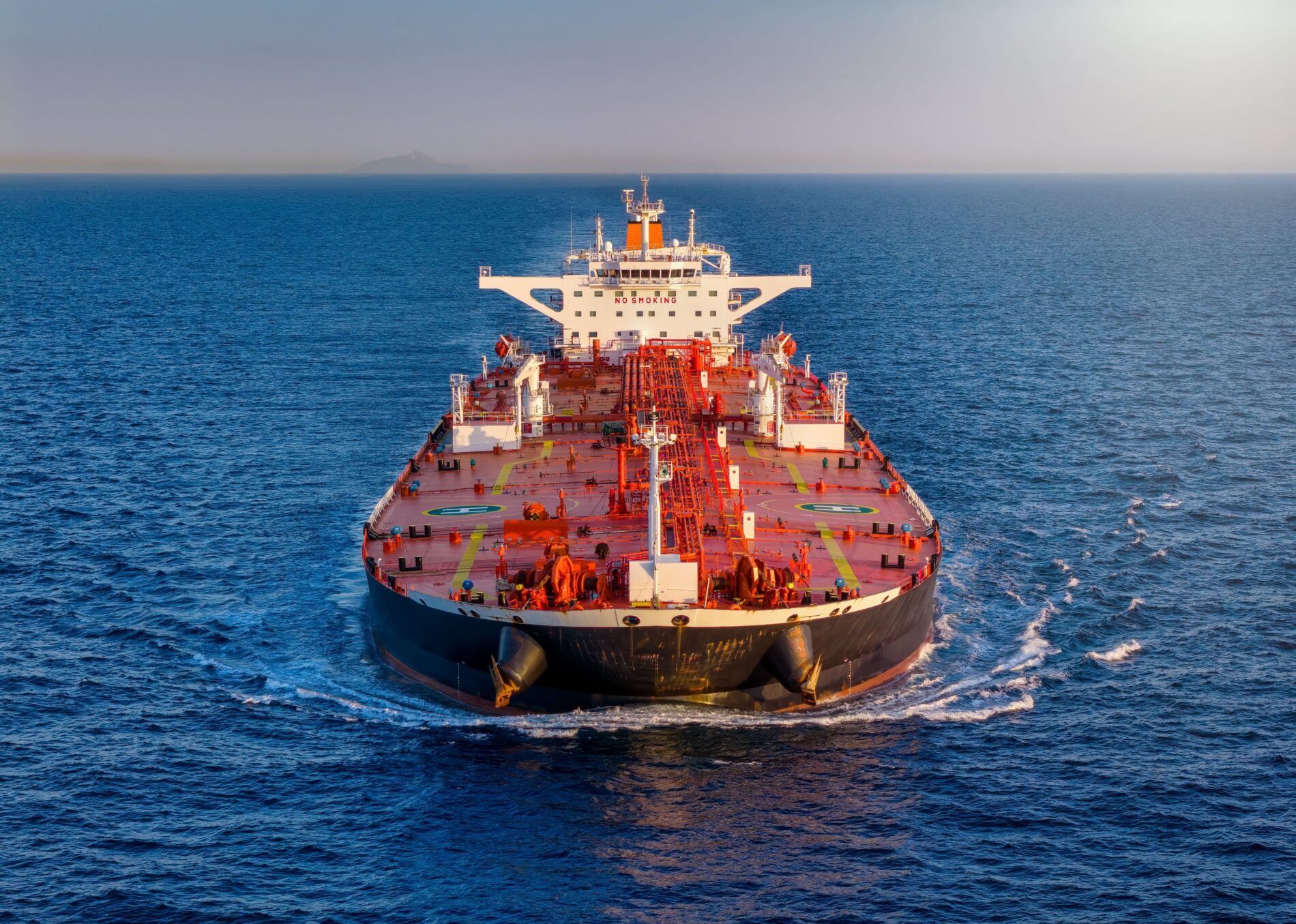
The situation is particularly critical for China and India. Both countries source around 90 percent of their exports from the Persian Gulf, meaning a disruption of the route would have immediate consequences. JP Morgan therefore sees a high risk of rapid supply shortages, especially in Asia. If this influx of fuel ceases, industry, energy supply, and transportation will quickly come under pressure.
Diesel, kerosene, and naphtha are becoming a problem
Diesel is the primary concern. Around a third of this fuel’s imports come from the Middle East, so a prolonged blockade would have serious repercussions. Transportation could become more expensive and difficult, while agriculture and heating would also be affected.
But diesel is not the only fuel affected. Shortages of kerosene and naphtha are also looming, directly impacting air travel and the chemical industry. Millions of barrels are already missing from the global market, significantly tightening the supply situation. If the crisis persists, JP Morgan also anticipates more flight cancellations and additional problems in industry.
North America will feel the effects later; consumers should save fuel
The study also predicts a direct impact on North America. The full effects could become apparent there from April 15th onward, when most deliveries are disrupted. This demonstrates that a disruption on a single key route can trigger global repercussions.
Many countries have already implemented fuel-saving measures to reduce consumption and conserve reserves. At the same time, consumers can also reduce their fuel consumption by following simple rules. These include correct tire pressure, moderate speed, and a calm, anticipatory driving style. According to the ADAC (German Automobile Club), this can save up to 20 percent on fuel.