
Frankfurt and Zurich airports are experiencing significant issues with their jet fuel supply. Due to disruptions in rail transport from Germany, Switzerland authorized the release of up to 30 million liters of aviation fuel from its strategic reserves on October 15, 2026. At the same time, low water levels on the Rhine and limited pipeline capacity are hindering the supply to Frankfurt Airport. Consequently, Lufthansa has begun refueling its aircraft for their return flights before departure. The jet fuel shortage thus affects two major European aviation hubs. While no flight cancellations have been announced so far, regular fuel deliveries in Switzerland are no longer sufficient to guarantee a secure supply.
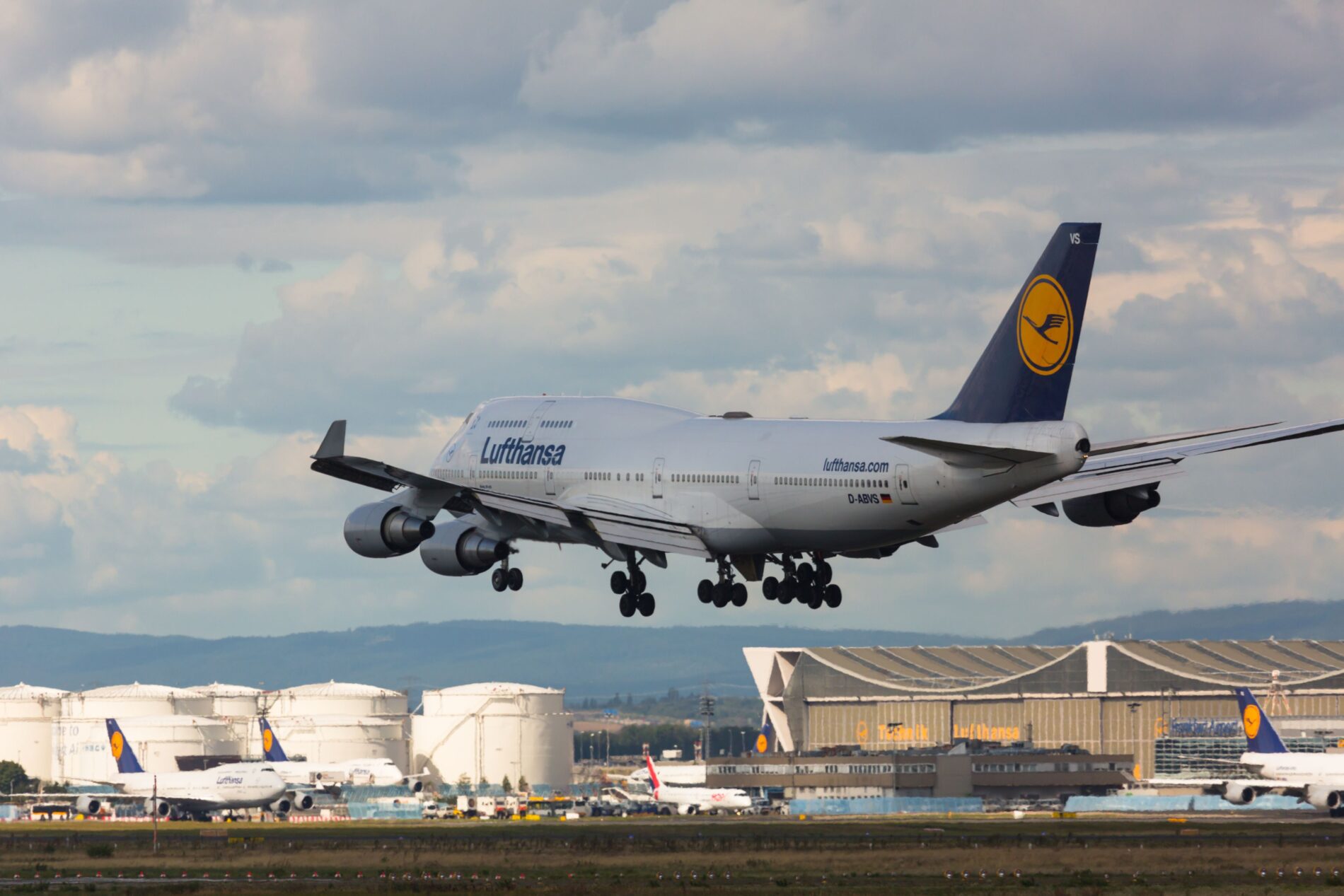
Image: Shutterstock
Jet fuel shortage forces Lufthansa to implement additional refueling measures
Two issues are currently converging at Frankfurt Airport. Low water levels on the Rhine are restricting the cargo capacity of fuel barges, while maintenance work on a jet fuel pipeline is simultaneously reducing available supply volumes. Consequently, Lufthansa has instructed its pilots to take on extra fuel before departing for Frankfurt on selected routes.
Through this practice—known as “tankering”—the airline reduces its need for jet fuel upon arrival in Frankfurt. The measure primarily affects short- and medium-haul flights, as well as select long-haul routes. However, the additional fuel increases the weight of the aircraft, which in turn leads to higher fuel consumption. Lufthansa describes the measure as a precautionary step and does not currently anticipate any flight cancellations.
Switzerland releases 30 million liters of jet fuel from mandatory strategic reserves
In Switzerland, supply issues have already prompted government intervention. On October 15, Roland Pfister, the Delegate for National Economic Supply, authorized the withdrawal of up to 30 million liters of jet fuel—equivalent to 6.5 percent of Switzerland’s mandatory strategic reserves for aviation fuel. This authorization remains in effect through November 1, 2026, and is intended to prevent a potential supply shortage at Zurich Airport.
The situation stems from significant disruptions in cross-border rail freight transport. Freight trains, particularly those arriving from Germany, are either being canceled or reaching their destinations with substantial delays. Simultaneously, low water levels on the Rhine have shifted additional freight traffic onto an already heavily burdened rail network. Consequently, missed jet fuel deliveries cannot be made up in time. According to Swiss authorities, existing stocks—absent further measures—would be insufficient to bridge the gap caused by these supply shortfalls.
Zurich Airport disputes the federal government’s assessment
While Swiss federal authorities warn of an impending supply shortage, Zurich Airport views the situation as less critical. According to a report by 20 Minuten, the airport currently reports no issues with refueling aircraft. The federal government, however, maintains that additional fuel supplies are necessary, which is why it has authorized the release of the mandatory reserves. This has resulted in two conflicting assessments of the same supply situation.
The discrepancy may be explained by the different timeframes being considered: the airport is evaluating current operational capacity, whereas the federal authorities are also accounting for projected supply shortfalls. Ultimately, the core issue remains that standard supply chains are temporarily unable to reliably meet demand. Switzerland is therefore having to draw on strategic reserves, even though flight operations have so far continued without any fuel-related disruptions.
Low water levels and rail issues impact European supply chains
The supply problems in Frankfurt and Zurich have different immediate causes, but both are linked to the reduced capacity of key European transport routes. In Frankfurt, pipeline maintenance and low water levels on the Rhine are restricting fuel deliveries. Zurich, meanwhile, is primarily suffering from the cancellation of freight trains arriving from Germany. As inland waterway transport is able to carry less cargo, the demand for rail capacity has risen accordingly.
The Swiss airline Swiss is also responding to the constraints in Frankfurt. On flights from Zurich and Geneva to the German hub, its aircraft are taking on extra fuel for the return journey, thereby easing the strain on fuel supplies at Frankfurt Airport. According to current information, this has not resulted in any restrictions on the transport of passengers or cargo.
Strategic fuel reserves must bridge supply gaps
This situation highlights just how dependent major airports are on seamless transport chains. While Frankfurt does have extensive fuel storage facilities and alternative supply routes—with storage capacity designed to cover approximately ten days of demand, according to Fraport—Lufthansa has already adjusted its refueling strategy. In Zurich, the need for action is even more pressing, as the federal government has determined that regular supplies are currently insufficient.
The situation becomes particularly problematic when multiple logistical bottlenecks occur simultaneously. For instance, when low river levels restrict inland waterway transport, the rail network would need to take on the additional volume—yet rail capacity is already stretched thin. Furthermore, the consequences extend beyond the aviation sector; Swiss authorities report that the supply situation for gasoline, diesel, and heating oil has also deteriorated compared to the previous week, though these supplies are still considered secure. The shortage of jet fuel serves as a clear example of how quickly disruptions to specific transport routes can necessitate state intervention in fuel supply.