
In eastern Germany, the Iran conflict, following the recent escalation in the Middle East, is exacerbating the crisis in the chemical industry. This is triggered by new risks to energy prices, raw materials, and supply chains, particularly around the Strait of Hormuz. At the same time, the industry is experiencing a period of weak demand, high costs, and low capacity utilization. Large sites in Saxony-Anhalt and Saxony are especially vulnerable. Prolonged disruptions there could lead to production cuts, investment freezes, shutdowns of individual plants, and further job losses. Suppliers, logistics companies, and entire industrial regions are also affected. (berliner-zeitung: 17.03.26)
Hormuz becomes a risk to the chemical industry, potentially leading to a standstill
The Strait of Hormuz is crucial for global trade in oil, gas, and chemical precursors. Even minor disruptions drive up prices and uncertainty. For the chemical industry, however, every shipment counts, as many plants rely on consistent material flows.
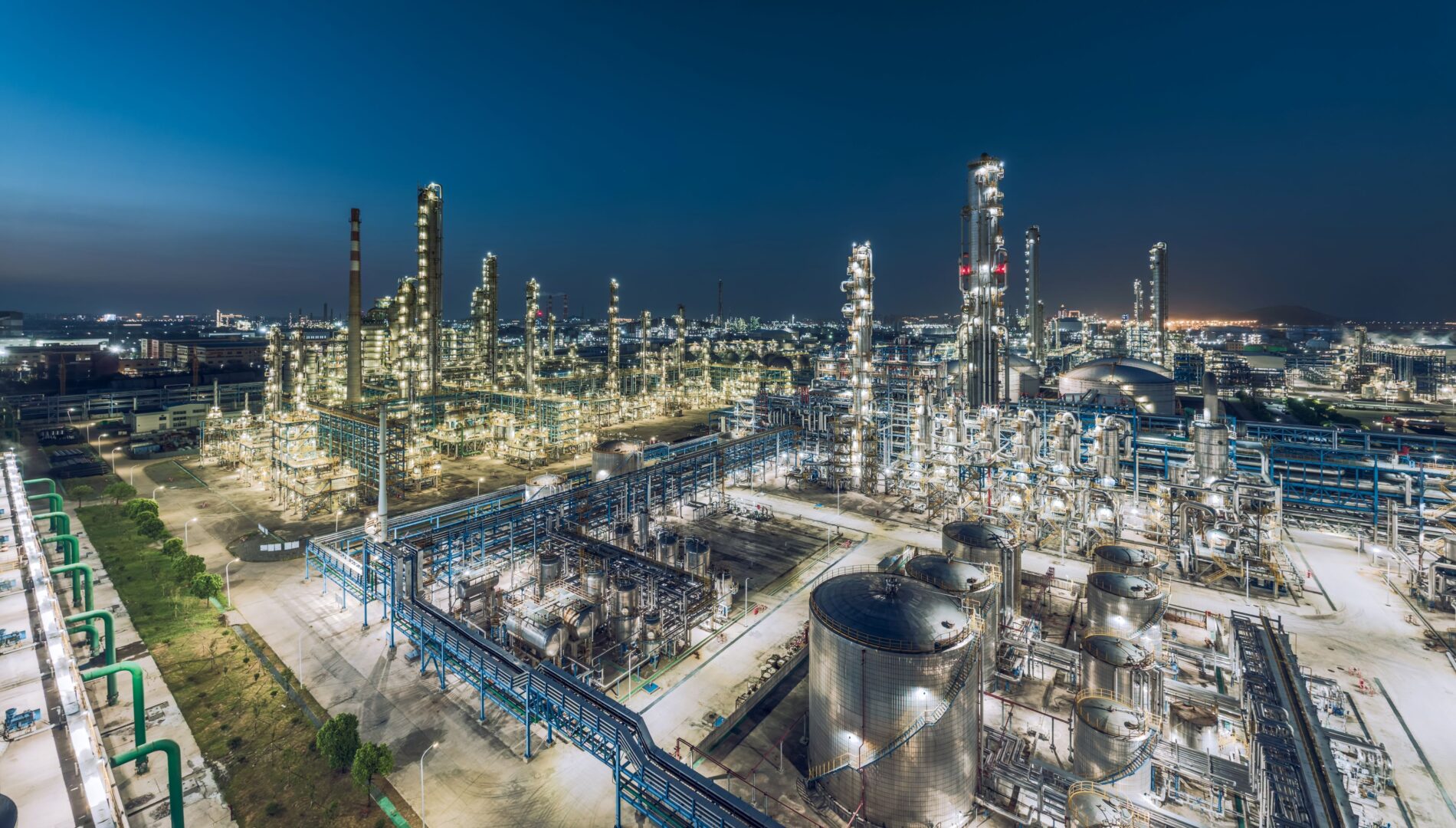
Ammonia, phosphate, sulfur, helium, and specialty gases are particularly critical. The industry needs these substances for fertilizers, basic chemicals, and technical processes. If deliveries are disrupted, not only do costs rise, but production processes also falter, while replacements are often more expensive or difficult to obtain.
East German plants have hardly any reserves for new shocks
The East German chemical industry is one of the region’s most important sectors. Thousands of jobs depend directly on the plants. In addition, there are service providers, tradespeople, and transport companies. Therefore, if production stops, it affects far more than just individual companies.
At the same time, the industry has long struggled with underutilization. Many plants are not operating at a financially stable level. This erodes margins and stifles investment. If another surge in costs is added to the mix, many companies lack the reserves to withstand prolonged strain.
High energy prices increase the risk of shutdowns
The basic chemicals sector is particularly hard hit by expensive energy. Gas and electricity directly determine its competitiveness. If prices rise again, German production sites will fall behind even faster. International competitors often produce more cheaply, while domestic factories feel the effects of every price increase immediately.
Moreover, the problem doesn’t end at the factory gate. Higher costs trickle down the entire value chain. This also affects sectors such as construction, agriculture, the automotive industry, and packaging. Consumers may also feel the impact later, as prices for many products increase.
Companies are reassessing investments and staffing
Nervousness is growing at major chemical production sites like Leuna, Schkopau, Böhlen, and Wittenberg. Not all companies are reporting acute shortages yet. Nevertheless, they are closely monitoring raw material prices, freight costs, and energy supplies. Many consequences will only impact balance sheets later, while the risks are already increasing.
This is precisely where the danger lies for eastern Germany. If companies postpone investments, the region loses its future viability. If factories reduce shifts or plants shut down, jobs come under pressure. If the crisis persists, the threat is not limited to temporary cutbacks. The creeping deindustrialization could accelerate further.