
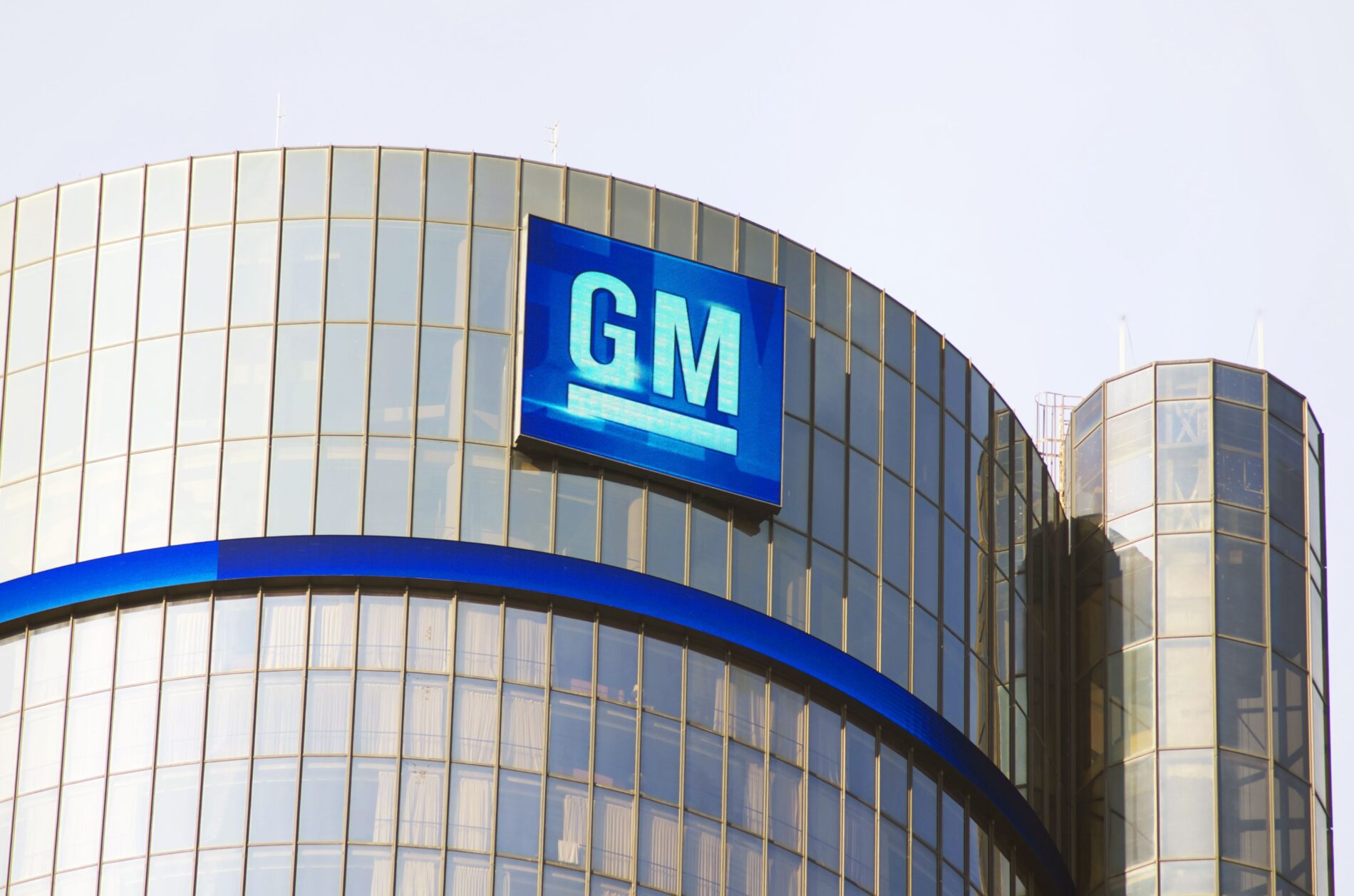
At General Motors’ Factory Zero on the border between Detroit and Hamtramck, electric vehicle production has been halted since March 16, 2026, and the shutdown is now scheduled to last until at least April 13. The reason is weaker demand for electric vehicles in the US, which has come under further pressure following the elimination of the $7,500 government purchase incentive. At the same time, GM had already reduced production by about half in January, which had prepared the ground for the cutbacks. Rising production costs are a crucial additional risk factor, while uncertain energy prices are dampening the purchasing decisions of many customers. The consequences are immediately visible: 1,300 employees are being temporarily laid off, and models such as the electric Chevrolet Silverado and the Hummer EV are no longer rolling off the assembly line for the time being. (auto-motor-und-sport: 31.03.26)
Demand collapses, funding is lacking
The production halt is not surprising, as GM had already significantly reduced operations at the plant at the beginning of the year. In January, the company reportedly lowered capacity utilization by about 50 percent. Therefore, this extension appears to be the next step in a longer-term correction.
The weaker demand is hitting the market particularly hard. A key reason is the end of the previous $7,500 tax credit for electric vehicle buyers. At the same time, many models are losing a price advantage that was previously crucial for sales.
Higher costs are changing manufacturers’ strategies
In addition to declining demand, the costs of producing electric vehicles are also rising. This is significantly shifting the calculations of many manufacturers, while investments are being scrutinized more closely. As a result, companies are reacting not only with lower production volumes but also with cutbacks in ongoing projects.
GM is not alone in this approach. Ford is also refocusing its strategy more heavily on vehicles with internal combustion engines, especially large pickup trucks and SUVs with high profit margins. Furthermore, GM has halted or postponed several electric vehicle projects, including projects for electric delivery vehicles and modifications to existing plants.
Uncertain Energy Prices Further Slow the Market
Additionally, pressure is mounting due to rising energy prices. The conflict in the Middle East has recently driven up oil prices, while electricity costs remain more difficult for consumers to predict. For many buyers, this makes the overall cost of owning a vehicle more uncertain.
This uncertainty is hitting the electric vehicle market at a sensitive time. Those who cannot reliably estimate fuel or electricity costs are more likely to postpone major purchases. Furthermore, industry observers expect this reluctance to persist in the short term, with manufacturers continuing to adjust production to fluctuating demand.
The pause at Factory Zero thus represents more than just a single production shutdown. It demonstrates how quickly political regulations, subsidy rules, and cost developments can alter the course of an entire market. While GM and other manufacturers are increasingly focusing on conventional powertrains, the future development of the electric vehicle business in the US depends primarily on the political framework and energy prices.