
In Innsbruck, electric buses on line 502 are unable to reliably manage the steep section of Schusterbergweg. As a result, passengers are repeatedly forced to disembark so the bus can climb the incline. This situation is disrupting public transport, the operation of the electric buses, and city traffic alike. Especially in Innsbruck, where gradients are well-known and predictable, this situation seems particularly absurd. (krone: 24.01.26)
Innsbruck put to the test – when technology fails on the mountain
The Schusterbergweg has been considered a challenging route in Innsbruck’s city traffic for years. Nevertheless, vehicles were used there that lacked sufficient power under real-world conditions. Passengers report having to leave the bus and continue on foot. This effectively halts the e-bus service, even though this very technology is meant to make everyday life easier.
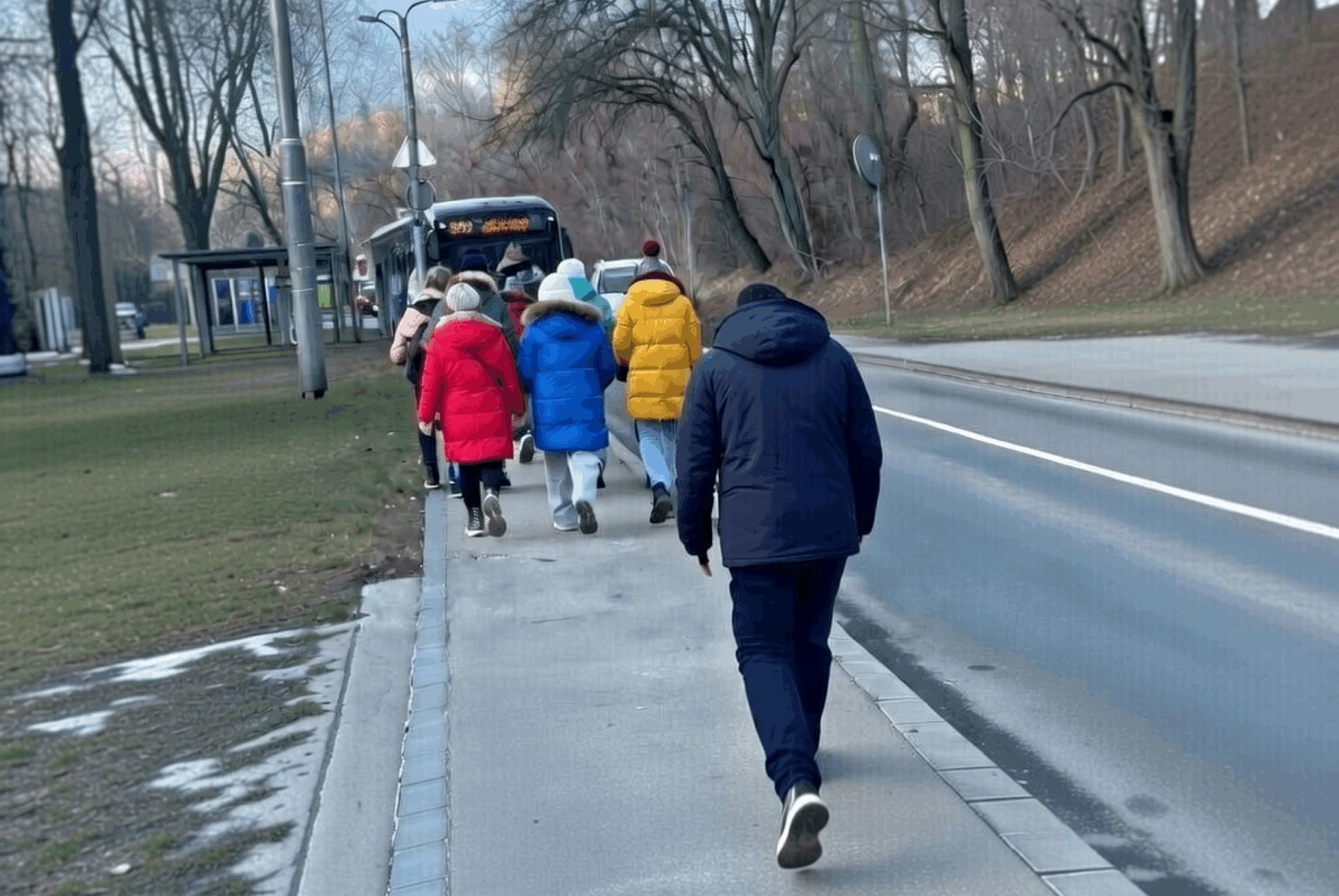
The timing is particularly critical because Innsbruck is publicly pushing ahead with the expansion of its transportation revolution. New vehicles are intended to reduce emissions and strengthen public transport. However, trust is eroded when city traffic falters on a known incline. For commuters, reliability is more important than drive systems.
Software Limits Performance – Responsibility Remains Unclear
The cause is believed to be a software problem that blocks full power when driving uphill. The control system doesn’t release the necessary torque to the electric buses to stably manage the incline with passengers on board. While this may be technically explainable, it remains difficult to justify in practice. Such issues should have been noticed before regular operation.
In Innsbruck, the question of responsibility therefore arises. Who approves vehicles for routes with known elevation profiles? Who tests the operation of the electric buses under load, in cold weather, and with full occupancy? As long as these points remain unanswered, blaming software seems like a belated justification.
Furthermore, city transport cannot be allowed to operate experimentally. Passengers expect to reach their destinations without detours. The disengagement of public transport is particularly hard on older people and those with disabilities. This turns a technical detail into a real, everyday problem.
The transition to diesel buses undermines the transport revolution
Diesel buses are being used as a backup to maintain service. While this measure prevents disruptions, it weakens the credibility of the transport revolution. Those in Innsbruck who switch to electric buses should not be permanently reliant on fossil fuel reserves.
Public transport thrives on clear standards. Transitional solutions must not become the norm. This is precisely why the situation in Innsbruck carries political weight. The city’s public transport system should serve as a model, not a cautionary tale.
Comparison regions relieve the strain on the drive system, not the operation
In other Tyrolean regions, electric buses have been operating for months without comparable problems. A different software version is used there, which allows for increased power output on inclines. This refutes the claim that electric drive is fundamentally unsuitable. The crucial factor remains implementation.
For Innsbruck, this means: The problem lies less in the concept than in management. Anyone who wants to modernize urban transport must fully reflect real-world conditions. This includes inclines, winter operation, and full vehicles.
As long as passengers in Innsbruck have to disembark, the damage to the city’s image will persist. The transport revolution is not measured by announcements, but by functioning processes. Only when the electric bus operation can consistently handle the inclines can we speak of stable progress.