
The theater in Ingolstadt will close on May 31, 2026, because the collapse in business tax revenue due to the automotive crisis has severely worsened the city’s financial situation. The city already halted the renovation of the theater building, estimated at around €240 million, in December 2025. At the end of 2025, the budget was short approximately €88 million. The city anticipates a further deficit of €66 million for 2026. The Upper Bavarian government is monitoring expenditures. The crisis was primarily triggered by the collapse in revenue from the Audi sector. Instead of the approximately €150 million needed for the budget, the city expected only about €55 million in business tax revenue for 2025. Thus, Bavaria’s fifth-largest city, with more than 140,000 inhabitants, will lose its most important stage. (backstageclassical: 19.03.26)
Ingolstadt under pressure due to the collapse of business tax revenue
This is no ordinary round of budget cuts in the cultural sector. It demonstrates how severely a city is hit when its most important source of income collapses. For years, Ingolstadt benefited from high business taxes from the automotive industry. This dependence is now working against the city. If the profitability of its most important industry declines, the city’s coffers also dry up.
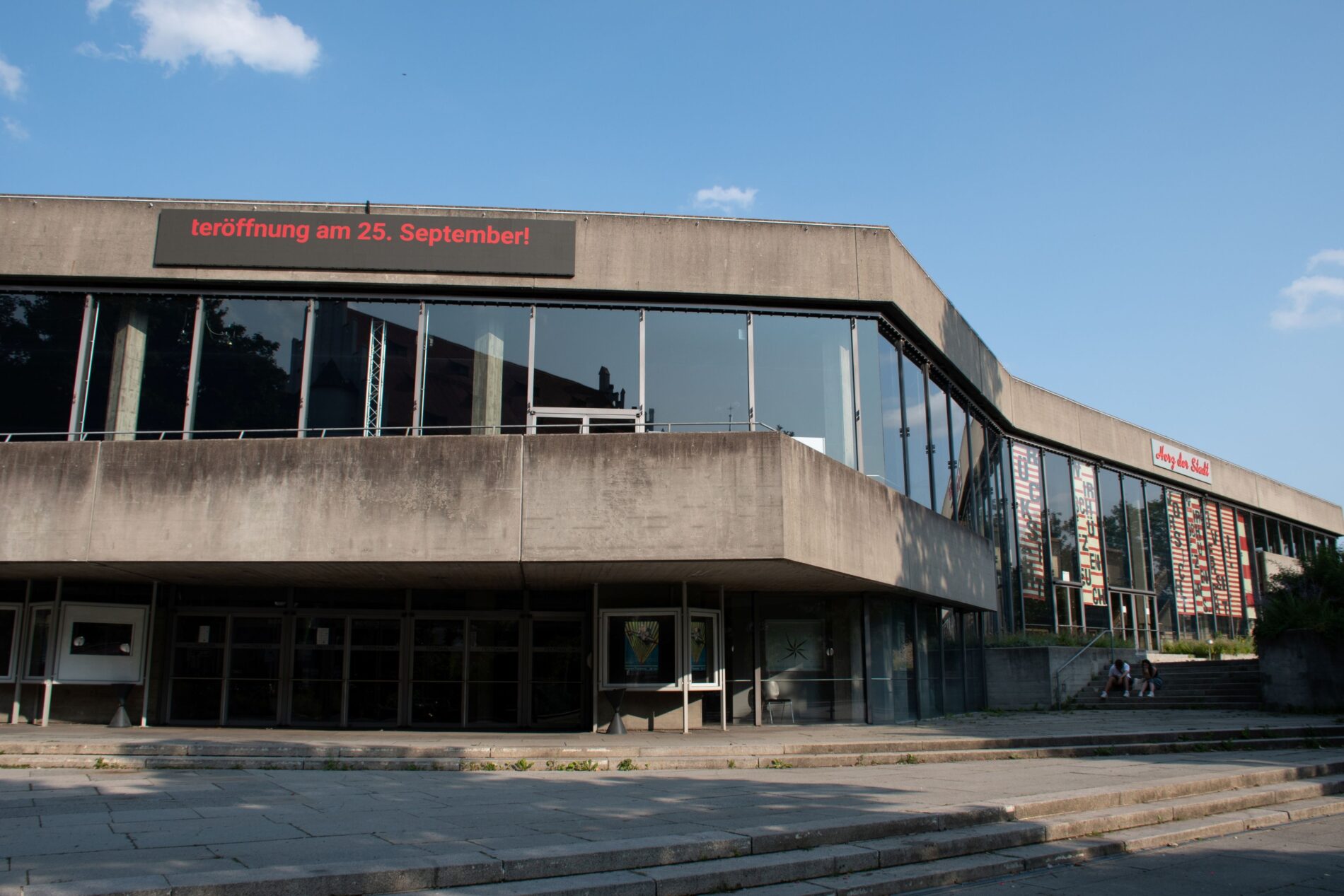
That’s exactly what happened. The expected business tax revenue plummeted to around 55 million euros. In previous years, it was significantly higher. At its peak, it even reached approximately 200 million euros. Such a decline doesn’t just marginally affect the budget; it derails the calculations for entire investment programs. The city council suspended the theater renovation. The strained budget situation also prompted the state government to intervene. Now, the austerity measures are having a profound impact on the cultural sector.
The crisis doesn’t begin at the theater, but rather with the city’s revenue model
The closure of the municipal theater is therefore not an isolated cultural issue. It is the visible consequence of a municipal financial model based on a dominant company and a dominant industry. Audi shaped the local economy for decades. As long as high profits and corresponding tax revenues were generated, the city could finance large projects. This mechanism is no longer sustainable.
The discrepancy between the company’s performance and the city’s budget is particularly striking. Audi is once again reporting robust profits. However, it is evident that too little of this is reaching the city’s coffers. For the municipal budget, a corporation’s financial statements are irrelevant. What matters is the actual amount of local business tax revenue. This is precisely where the location’s weakness becomes apparent. Billions of euros in corporate revenue don’t automatically relieve Ingolstadt’s financial burden. Despite this, the city hall still lacks the funds for crucial investments.
The Cuts to Cultural Funding Reveal Financial Erosion
The austerity measures have long since extended far beyond the theater. According to the city, cuts in the cultural sector amount to nearly 3.7 million euros. Civic festivals have been reduced or canceled. Cultural funding has been halved. Ticket prices have increased. Closing times have been extended. Positions have been eliminated. Exhibitions at the German Museum of Medical History have also been discontinued. The theater alone is planning with 1.5 million euros less and four fewer full-time positions. Guest performances have been completely canceled.
Precisely for this reason, the theater’s closure marks a political turning point. It doesn’t affect just any institution, but the city’s cultural heart. What is disappearing here is more than just a performance venue. The loss of financial flexibility is becoming apparent. First, tax revenues from the industrial core collapse. Then, major renovations are scrapped. Finally, the austerity measures reach the cultural infrastructure. Ingolstadt is not closing its theater out of cultural policy conviction, but because the automotive crisis has severely damaged the city’s financial foundation.