
In Berlin, on May 20, 2026, Federal Minister of Finance Lars Klingbeil defended the government’s course on renewable energies in the Bundestag. The catalyst was a question posed by AfD MP Rainer Kraft during the government question hour. Kraft demanded to know the concrete impact of 100 billion euros in taxpayer funds on the rise in global temperatures. Klingbeil initially referred to studies regarding specific instruments within the Climate and Transformation Fund. However, he then stated: “I do not need figures to know that this is the right thing to do.” With this remark, budgetary oversight, energy costs, and the burden on taxpayers moved to the center of the debate.
Without Figures, Climate Policy Becomes a Matter of Trust
Kraft struck a raw nerve in energy policy. The state spends billions, yet the concrete impact on the climate often remains abstract. Precisely for this reason, a finance minister must deliver more than mere political assurance.
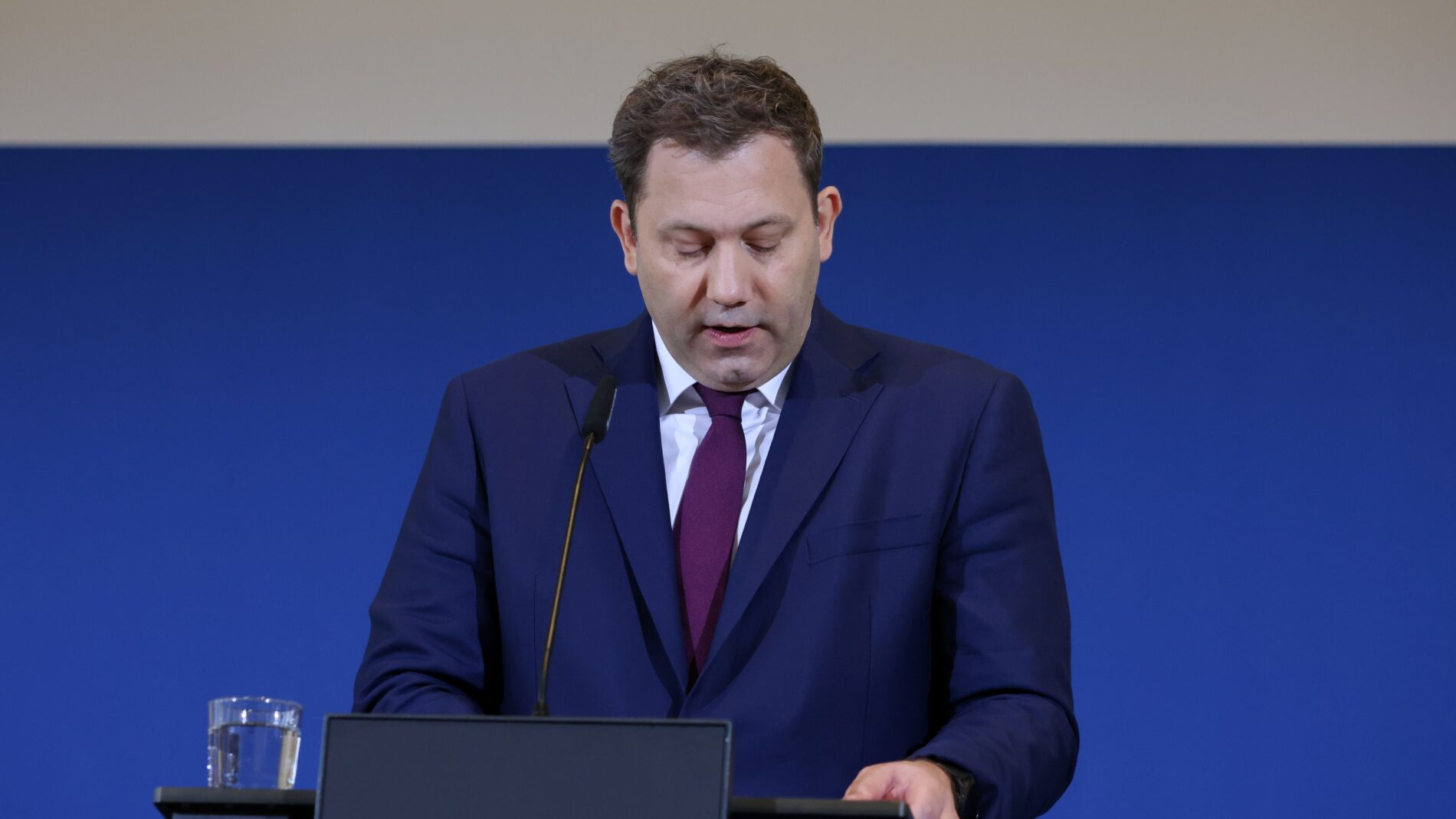
Klingbeil added that he did not want to be dependent on Russian gas. Furthermore, he did not want any dependence on fossil fuels. These goals are understandable, yet they are no substitute for a robust financial calculation.
Renewable Energies Require Oversight, Not Mere Declarations
The expansion of renewable energies can make Germany more independent. It can also lower import costs and diversify the energy supply. However, electricity is not generated by political intentions alone.
Grids, storage facilities, reserve power plants, and market regulations are what determine the actual costs. Therefore, every subsidy must demonstrate the tangible benefits it delivers. Without clear figures, energy policy becomes a costly act of blind faith.
100 Billion Euros Demand Hard Evidence
The Climate and Transformation Fund is receiving 100 billion euros from the special fund. The entire package amounts to 500 billion euros. Consequently, this is not a matter of symbolism, but of long-term debt.
A Finance Minister bears a different responsibility in this regard than a party chairman. He must scrutinize expenditures, set priorities, and prevent mismanagement. Moreover, he must explain which specific measures will achieve which specific effects.
This Statement Undermines Budgetary Logic
Klingbeil’s response strikes at the heart of a larger problem. The Federal Government is linking climate protection, industrial policy, and security of supply with enormous sums of money. Yet it is precisely this combination that demands rigorous monitoring of results.
Any private company would be required to present key performance indicators before undertaking a multi-billion-euro investment. The state must not apply a more lenient standard. After all, it is not operating with its own capital.
Taxpayers Demand Accountability
The question is not whether renewable energies are politically desired. What matters is whether the chosen programs are effective, affordable, and compatible with the overall system. Therefore, subsidies must be evaluated based on their costs, impact, and contribution to security of supply.
Klingbeil’s statement sends the wrong signal in this regard. It shifts the debate from oversight to conviction—precisely what a Finance Minister cannot afford to do.
A Finance Minister Must Calculate, Not Merely Believe
Germany needs an energy policy that links its objectives to robust, verifiable evidence. Renewable energies can play a central role in this process. However, they must not be given a blank check.
Anyone distributing 100 billion euros must be able to demonstrate tangible results. A Finance Minister who claims to have no need for hard figures undermines the very oversight function inherent to the office. Consequently, Klingbeil’s performance serves as a warning signal for fiscal policy as a whole. (KOB)