
In the Taunus region, the RB12 line has been operating with diesel trains again between Königstein, Kelkheim, and Frankfurt since June 21, 2026. Ongoing issues with the hydrogen trains are forcing the RMV to continue flexibly allocating available rolling stock. Following the expiration of a lease agreement, more modern diesel trains were transferred from the RB15 to the RB12 line; consequently, the operational hydrogen trains are currently running only on the RB15. At the same time, construction work means the RB12 is terminating at Frankfurt-Höchst until August 9. Commuters are forced to transfer and are also complaining about short trains, overcrowded carriages, service cancellations, and inadequate information.
RB15 receives the available fuel-cell trains
The RMV also cites the boarding height of the new replacement diesel trains as a reason for the rotation. These vehicles are better suited to the platforms on the RB12 line. Consequently, the RB15 took over the available fuel-cell trains; previously, both diesel and hydrogen trains had jointly operated the schedule on that route.
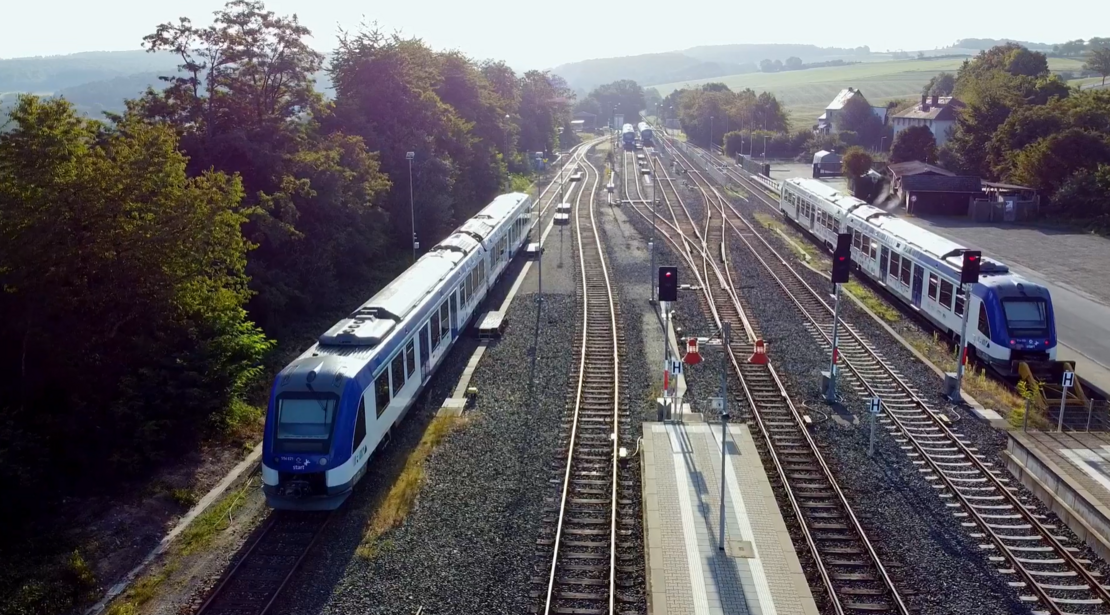
Image: © RMV
The transport authority describes the changeover as having little impact on passengers. However, many commuters view the situation differently, reporting irregular departures, contradictory information displays, and overcrowded individual trains. The breakdowns involving hydrogen trains are thus just one part of a broader operational problem, as diesel trains also fail to resolve the issues regarding capacity and passenger information.
Hydrogen train breakdowns persist despite modification program
The 27 hydrogen trains were scheduled to serve four lines in the Taunus network starting in December 2022. However, delivery delays and technical faults prevented full regular service. As of April 2026, according to Alstom, not a single vehicle had undergone a complete overhaul. Consequently, the manufacturer plans to equip all trains with an improved generation of fuel cells. The RMV expects operations to return to being predominantly hydrogen-based by the end of the year.
In April, Alstom acquired Cummins’ fuel cell rail division, aiming to take greater control over development, maintenance, and technical support. The acquisition is intended primarily to improve the reliability and service life of existing fleets. However, only future regular operations will reveal whether this permanently resolves the hydrogen train breakdowns in the Taunus region.
Construction work and short trains complicate daily travel
Construction work is placing an additional strain on operations between Frankfurt-Höchst and the central station. Consequently, through August 9, passengers must transfer to S-Bahn trains at Höchst. Previous closures also prevented hydrogen trains from traveling to the refueling station at Industriepark Höchst. A mobile refueling unit in Grävenwiesbach was also not ready on time due to technical issues. Furthermore, around 2,800 construction projects affecting schedules have been announced across the entire RMV region for 2026.
The RMV reported an on-time performance rate of just 84.1 percent for regional trains during the first half of the year. However, reliability rose to 96 percent because a higher number of scheduled trips actually took place. Nevertheless, passengers on the RB12 line continue to report overheated train cars, door malfunctions, and broken toilets. In addition, the operator is using shorter trains during the holiday period. The maintenance facility in Königstein services other fleets simultaneously, meaning it cannot carry out every repair on short notice.
Author: Blackout News
Sources: Frankfurter Neue Presse (25.07.26) – Taunus Nachrichten (25.07.26) – Bahnblogstelle (21.06.26) – Welt (20.06.26)