
The RB 27 regional train connects Berlin with the northern outskirts in Brandenburg. On January 10, 2026, service was disrupted. A lack of hydrogen for refueling caused the Heidekrautbahn hydrogen trains to stop running. The hydrogen shortage affected the line on a weekend. The platform displays showed “Service disruption! (no fuel delivery)”. (berliner-zeitung: 12.01.26
RB 27 without fuel: Why supply dictates the timetable
The line is not electrified, so conventional multiple units powered by overhead lines cannot operate there. The RB 27 relies on self-propelled vehicles, and this is precisely where the bottleneck became apparent: Without hydrogen for refueling, the hydrogen trains could not enter service. On January 11, 2026, the operator temporarily suspended service entirely between Berlin-Karow and Basdorf, forcing buses to fill the gap. For many passengers, a reliable timetable is crucial in such situations, as connections in the surrounding area are often tightly scheduled.
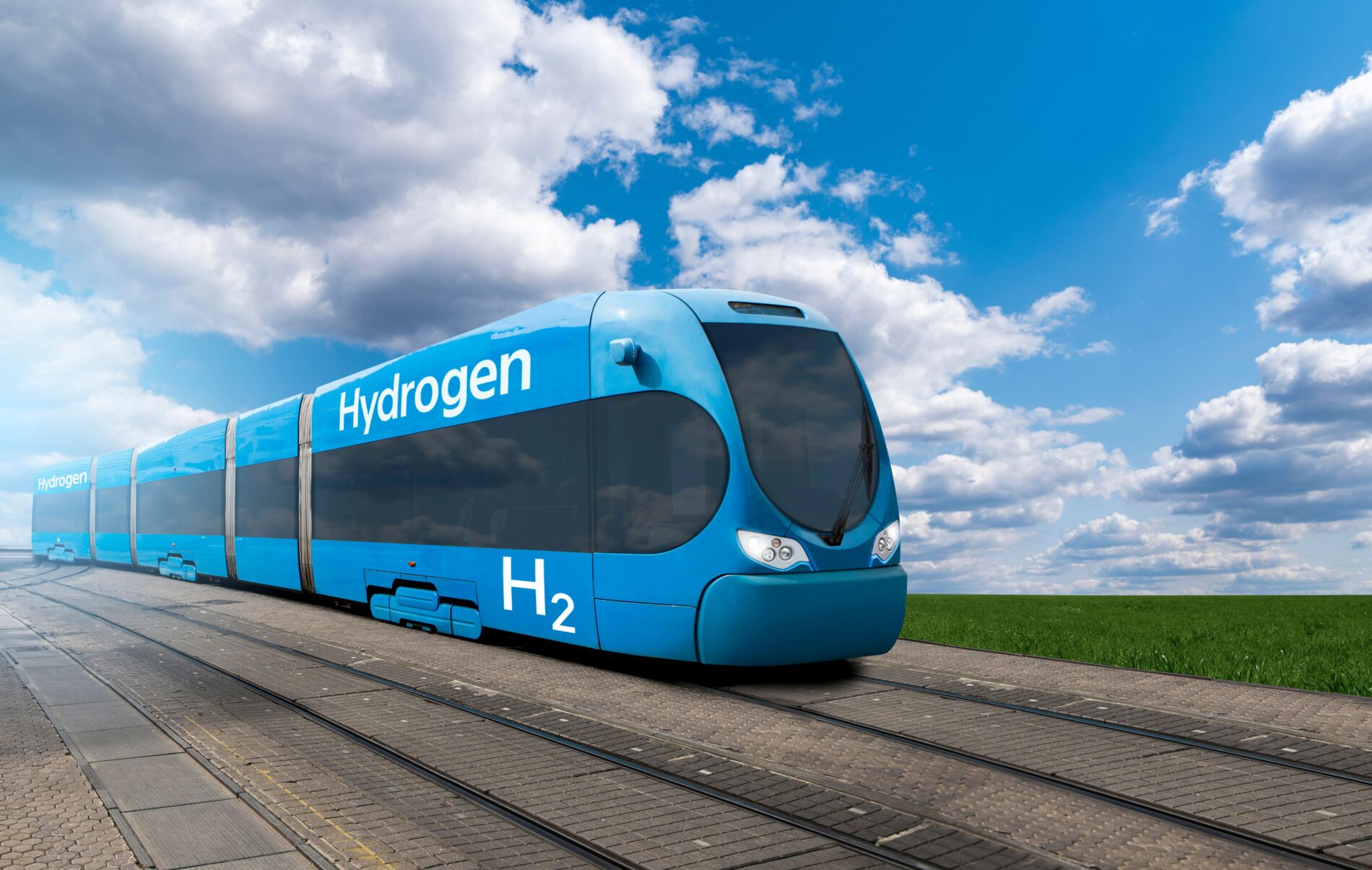
Symbolic image
The Heidekrautbahn railway line is usually only in the news for signal or switch issues, but a lack of fuel has a far more fundamental impact. If the supply fails, it’s not just a single train that’s affected, but the entire day’s schedule. This is especially true because the new hydrogen trains remain dependent on a functioning refueling system.
Funding, pressure to perform, and the return of a familiar problem
The line has been operating with hydrogen trains since the end of 2024. The federal government supported the new vehicles, refueling station, and hydrogen plant with €25 million. The project was intended to demonstrate that climate protection is possible even without overhead lines. However, as early as the turn of the year 2024/25, trains were at a standstill because the supply chain couldn’t provide enough fuel.
Now the bottleneck is recurring, even though the conversion should have been fully operational long ago. The current hydrogen shortage shows how sensitive the system remains, as every missed refueling stop immediately impacts the timetable. For the region, this is more than just a day of service disruption; it’s a test of whether the supply can be sustained in the long term.
Statement from within the company: Criticism of the technology and its suitability for everyday use
In conversations with people working along the line, the tone becomes sharper, with one employee of the Heidekrautbahn railway calling it a symbolic project. “The hydrogen trains are purely a prestige project,” he says, pointing to recurring malfunctions. “Apart from the supply issues, there are constant problems; trains are canceled at least three times a week.”
He is describing not only the logistics but also the technology in continuous operation. Fuel cells are considered sensitive. Malfunctions can quickly bring entire train services to a standstill. Therefore, a term that has long been circulating within the company comes up in the conversation: H2 trains sound modern, but they need an uninterrupted supply.
Operator NEB, buses, and the open question of reliability
The operator is Niederbarnimer Eisenbahn (NEB), with districts and municipalities as shareholders. No answer was given to questions about the timetable on January 11, 2026, leaving many passengers without a clear outlook. Only replacement bus services were available on the line, and these are intended to limit the damage in such cases, not become the norm.
The employee draws a conclusion, as he prioritizes predictability: “We would prefer to run diesel locomotives again.” This sounds like a step backward, but it aims at operational reliability. The RB 27 is becoming a benchmark for the transport revolution because it demonstrates whether new drive systems also function under everyday pressure.
What the disruption means politically
When a hydrogen shortage brings a regional train to a standstill, questions arise about responsibility and reserves, because infrastructure projects need reliable supply chains. For the Heidekrautbahn (Heathland Railway), a simple indication of disruptions is not enough; a stable process from production to refueling is crucial. Otherwise, the impression remains that while the line appears modern, it lacks sufficient operational buffer.
Ultimately, what matters is whether the RB 27 runs reliably again, because commuters don’t plan based on press releases. Every day of replacement bus service costs time, and every further bottleneck damages public acceptance. The region therefore needs a plan to prevent the hydrogen shortage from becoming a chronic crisis and to ensure that rail replacement services remain an exception.