
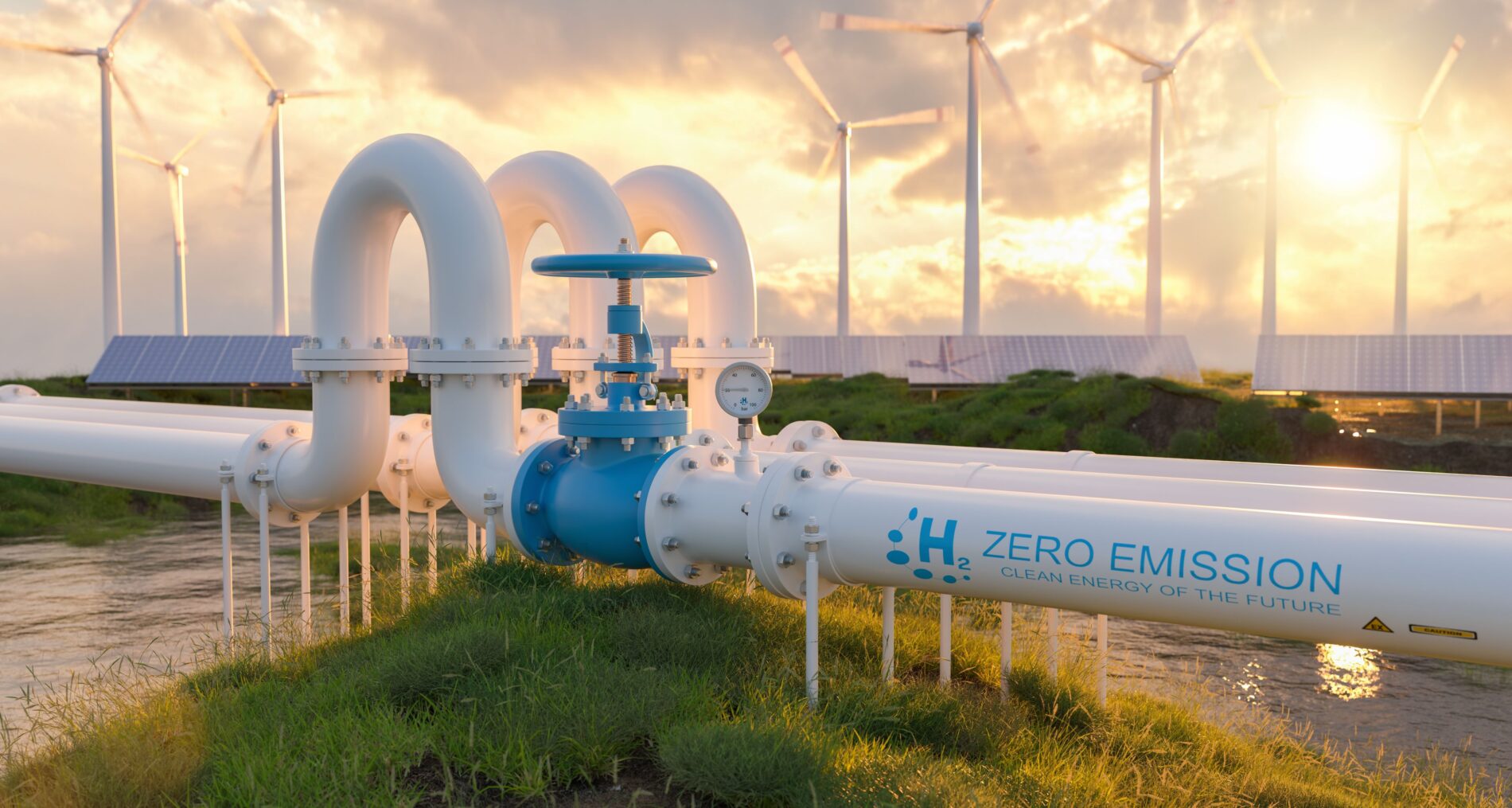
Germany has made a central hydrogen pipeline, spanning approximately 400 kilometers, operational, but it lacks connected suppliers and firm purchase agreements. This will lead to long-term increases in electricity prices because fixed capital costs flow back into the energy system. Simultaneously, grid fees will rise as financing is secured through regulated returns. This effect is doubly problematic for the energy transition because capital remains tied up even though the grid, storage facilities, and generation plants need it more urgently. Industrial policy also loses flexibility when infrastructure without a market increases the cost base for companies. (cleantechnica: 11.01.26)
Hydrogen Pipeline and Regulatory Model: Costs Keep Climbing
The fundamental problem is not technology, but capacity utilization. A large pipeline is considered “used” from a regulatory perspective as soon as it is available, and therefore depreciation and interest are factored in over decades. This results in fixed annual recovery charges, even if hardly any hydrogen molecules are flowing. This mechanism shifts costs into grid fees and indirectly affects electricity prices, because electricity customers typically share the burden of the system.
Furthermore, units distort the debate. Hydrogen is often planned in terawatt-hours, even though it is handled as a mass flow. One kilogram contains approximately 33.3 kilowatt-hours of chemical energy, and one terawatt-hour corresponds to about 30,000 tons. This conversion significantly shrinks the supposed large market, while the infrastructure is already designed for very high throughputs.
The energy transition needs efficiency, not detours
Hydrogen is mostly produced via electrolysis, and large amounts of energy are lost in the process. Roughly 1.5 terawatt-hours of electricity are needed for one terawatt-hour of hydrogen energy, while compression, storage, and distribution add further losses. Therefore, direct electrification often delivers more benefit per kilowatt-hour and stabilizes the energy transition more quickly.
This disadvantage hits the transportation sector particularly hard because drive systems with fuel cells or engines deliver significantly less end-use than batteries. This results in fewer customers willing to pay, and the hydrogen pipeline remains underutilized. This exacerbates the cost spiral because fixed costs are then spread over just a few kilograms.
Industrial Policy Traps a Cost Trap
Historically, much of the hydrogen demand came from refineries, but this need is disappearing with the decline of fossil fuels. While the petrochemical industry maintains stable use, the quantities are limited because steam crackers tend to produce hydrogen rather than consume it. Therefore, the chemical industry alone cannot support a national pipeline strategy, even though it is considered a key sector for industrial policy.
In the steel sector, hydrogen-based direct reduction was promoted as the core solution. However, cost pressures in the export business impose significant limitations, while increased production of electric arc furnace steel from scrap replaces a large portion of primary production. Furthermore, the option of importing intermediate products such as “green iron” instead of producing large quantities domestically is growing. These alternatives are economically sound from an industrial perspective and alter the demand base on which a hydrogen pipeline was calculated.
Electricity prices and grid fees rise due to fixed costs and opportunity costs
Even if the direct surcharge per kilowatt-hour seems moderate, it doesn’t remain isolated. A large grid project adds to other system costs, thus increasing electricity prices over the long term. At the same time, grid fees rise as initially low tariffs are replaced by subsequent cost recovery. This path acts like a silent mortgage on the electricity market.
The opportunity costs are even more significant. Billions flowing into an underutilized grid are then unavailable for the expansion of transmission and distribution networks, storage facilities, wind, and solar power. This slows down the energy transition because bottlenecks persist longer and expensive redispatch measures become more frequent. Furthermore, it weakens industrial policy because energy-intensive production carries a higher cost base.
A more sensible strategy relies on smaller, regional grids for genuine material applications. For transport, derivatives such as ammonia or methanol are also suitable because they are easier to trade and supply chains already exist. This turns the energy carrier back into a targeted raw material, and a mega pipeline project loses its ambition.