
Hydrogen is considered the driving force behind the energy transition, but hydrogen emissions can worsen the climate balance. The reason lies in methane degradation, as additional reactions alter the atmosphere’s chemistry. At the same time, leaks along production, transport, and storage remain a real vulnerability, and soil microbes, acting as a carbon sink, determine the net effect. (wissenschaft: 17.12.25)
How Hydrogen Emissions Slow Methane Degradation
Methane escapes from gas infrastructure, livestock farming, and landfills, and it has a very strong effect on temperature in the first few years. Nevertheless, it typically disappears after ten to twelve years because hydroxyl radicals break it down in a reaction chain. Experts refer to this process as methane degradation, and they measure it by the availability of these radicals. The degradation of hydroxyl radicals produces water and carbon dioxide, but also hydrogen as a byproduct.
Zutao Ouyang of Stanford University clearly describes the bottleneck because hydrogen uses the same reaction partners. “More hydrogen means less OH in the atmosphere, which means methane persists longer and thus warms the climate for a longer period,” he explains. H2 releases thus shift the rate of degradation, and methane breakdown slows down. This indirect pathway makes hydrogen emissions relevant to climate policy, even though H2 itself hardly absorbs any heat radiation.
Why Infrastructure and Control Determine the Benefits
Ouyang and his team analyzed the global hydrogen cycle from 1990 to 2020, and they wanted to establish reliable figures for sources and sinks. Robert Jackson puts it this way: “We need a deeper understanding of the global hydrogen cycle and its connections to global warming to support a climate-safe and sustainable hydrogen economy,” he says. For the energy transition, therefore, focusing solely on end-user consumption is insufficient; rather, the energy transformation in industry and grids is crucial.
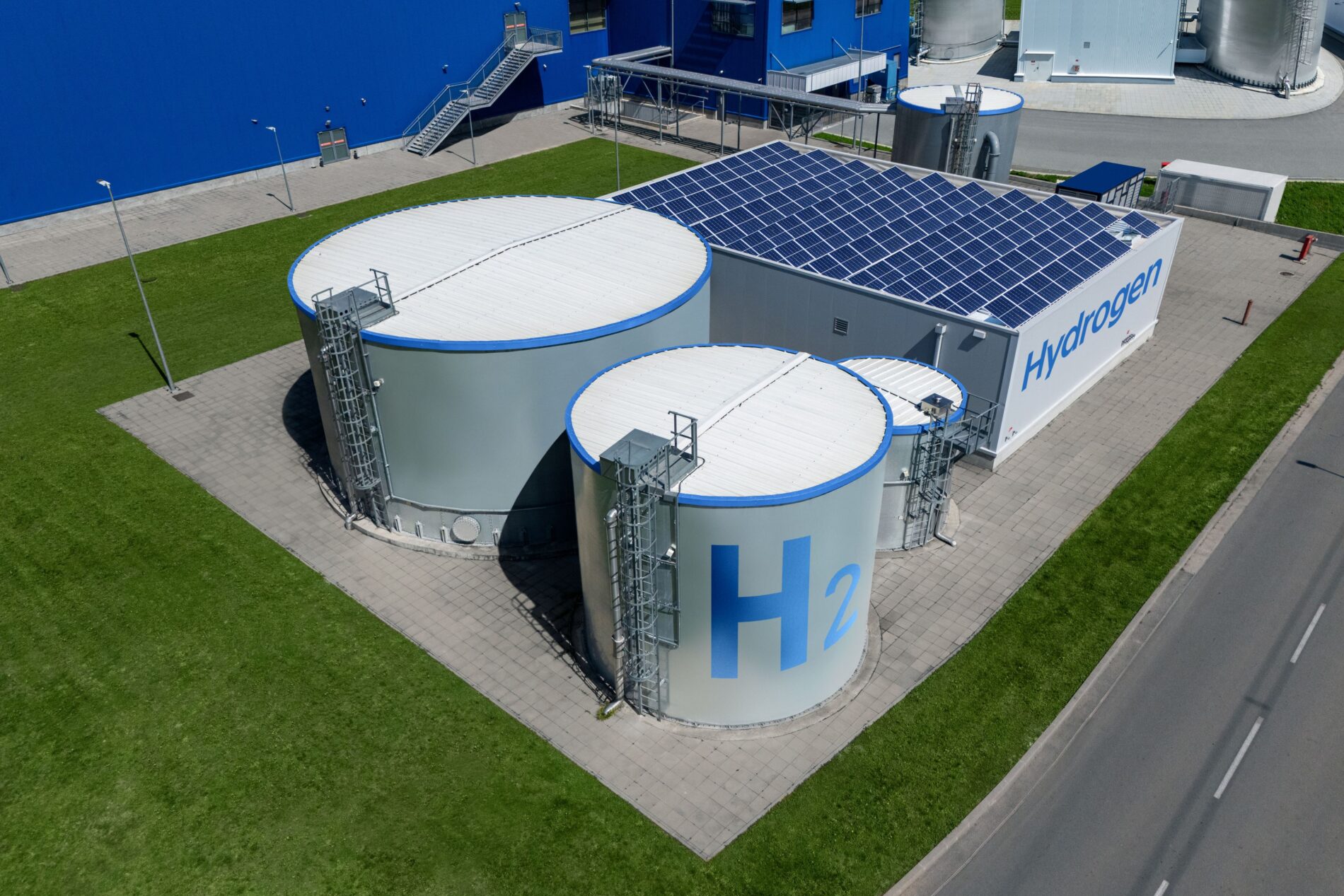
Jackson also points to a technical fact: H2 escapes particularly easily. “Hydrogen is the smallest molecule in the world and easily escapes from pipelines, production facilities, and storage sites,” explains Jackson. Operators can reduce leaks, but they need established measurement procedures, material standards, and rapid repair capabilities. Leaks reduce efficiency and exacerbate the climate impact when more hydrogen is released into the atmosphere.
Soil Processes Determine How Much H2 Remains in the Atmosphere
The study attributes the increasing inflows to several drivers and explicitly identifies human activities. “H2 sources increased from 1990 to 2020, primarily due to the oxidation of methane and other anthropogenic volatile organic compounds, biogenic nitrogen fixation, and leaks during H2 production,” the research team reports. This results in more hydrogen being produced, while simultaneously altering the reaction conditions in the atmosphere.
On the sink side, soil microbes play a key role because they utilize H2 as an energy source. “The most important way in the world hydrogen is removed from the atmosphere is by microbes in the soil that use H2 for energy,” the researchers write. These soil bacteria work across large areas and react directly to the concentration. As a result, they partially buffer increases, but they do not completely close the gap.
Figures show where policy and technology can make a difference
Between 2010 and 2020, an average of 69.9 million tons of hydrogen per year entered the atmosphere, and sinks reabsorbed a large portion of it. This balance is crucial for the energy transition because it reveals the most significant levers. Soil microbes removed around 50 million tons, and chemical reactions removed another 18.4 million tons. Nevertheless, a gap of approximately 1.55 million tons remained, so the concentration continued to rise. This trend is linked to methane sources, and hydrogen emissions thus amplify the indirect warming effect. Leaks remain manageable if operators conduct consistent monitoring.
“We estimate that the increase in atmospheric H2 between 2010 and 2020 contributed to a rise in global surface air temperature of 0.02 degrees Celsius,” the team stated. Therefore, two things are essential in practice, and both can be planned: networks must remain leak-proof, and operators must detect leaks quickly. At the same time, projects need robust sinks because soil microbes can only be effective if the soil remains intact. Hydrogen emissions must therefore decrease, and the energy transition requires dense systems and stable soils.