
Honda expects a loss of approximately $15.7 billion for the fiscal year ending March 31, marking its first annual loss since going public in 1957. The company’s electric vehicle strategy, which relied on strong growth in EV sales despite a significant decline in demand, particularly in the US, is at the heart of the situation. The elimination of the US tax credit for electric vehicles, new tariffs, and price pressure in the market exacerbated the situation. Competition from China and other Asian countries is also impacting business, as new manufacturers there are increasingly focusing on software-driven models. The consequences therefore extend far beyond individual models, as Honda is canceling three planned electric vehicles for North America and reacting to a sharp drop in profitability. (zerohedge: 14.03.26)
Honda’s EV Strategy Becomes a Billion-Dollar Problem
Honda shifted its manufacturing towards electrification early on. The company was following political signals from the US, which saw electric cars as a crucial component in achieving climate goals. At the same time, Honda relied on its existing business with gasoline and hybrid vehicles. This foundation was long considered stable, but the strategy lost its viability when the EV market grew more slowly than expected.
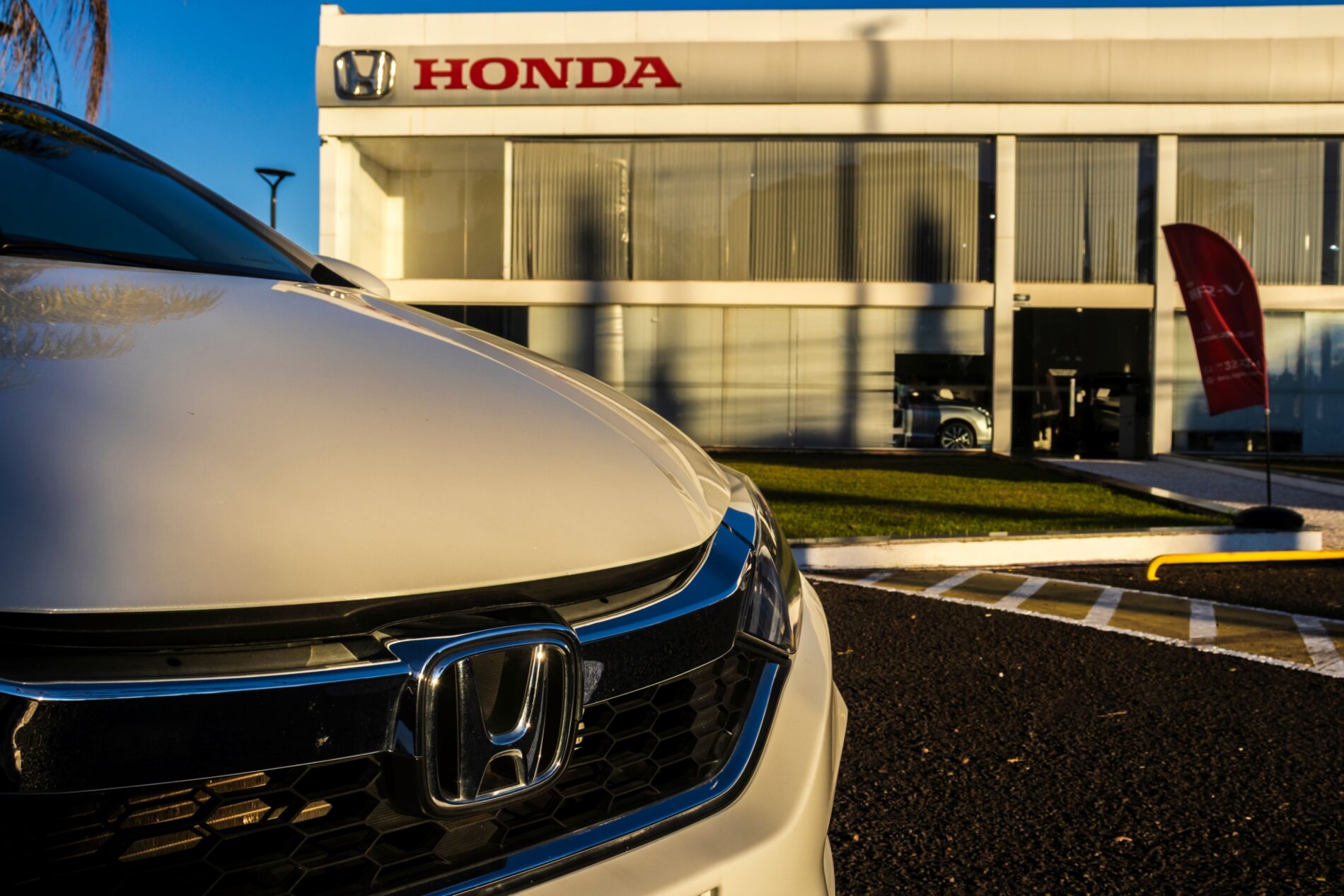
The situation became particularly problematic in the US. There, the $7,500 tax credit for new electric cars ended on September 30, 2025, eliminating many purchase incentives. At the same time, regulations for fossil fuel vehicles were relaxed, while new tariffs increased costs. This put Honda under double pressure, as both its electric vehicle business and the profit margins on conventional models suffered. This combination clearly demonstrates why the aggressive EV strategy has now become a key risk factor.
Model cancellations are a consequence, not a cause
The discontinuation of the Honda 0 SUV, the 0 Saloon, and the Acura RSX for North America is therefore a reaction to the crisis. As recently as January 2025, Honda had presented two prototypes of the 0 series at CES in Las Vegas. However, just a few months later, the company had to reassess its strategy. The planned expansion of its electric vehicle offensive could no longer be justified economically, while demand fell short of expectations.
The situation also worsened outside North America. In China and other Asian markets, new manufacturers with software-driven vehicles are entering the market, causing Honda to lose further market share and pricing power. For the quarter ending December 31, 2025, the company reported a decline in operating profit of almost 50 percent compared to the previous year. This was poorly received on the stock market, and the share price fell by almost six percent during the day. Over six months, the decline already amounts to more than 22 percent. Honda is not alone in facing this problem, but the cutback is particularly severe because it now threatens to result in an annual loss for the first time since its stock market listing in 1957.