
According to a Bloomberg report, Ukraine is temporarily suspending new drone orders from Helsing. Internal assessments reportedly identified two main problems from field tests: difficult takeoffs of the HX-2 and failures caused by interference, which can break communication with operators. Helsing rejects these key allegations and points to documented test flights. The demand for drones remains high, but according to the Bloomberg article, the German Armed Forces want reliable field data before making any further commitments. Furthermore, it is important whether the artificial intelligence of the systems can mitigate failures caused by interference signals. (bloomberg: 19.01.26)
Helsing: Frontline Tests, Launch Problems, and Missing AI Functions
Internal documents describe difficulties with the HX-2’s takeoff. During Ukrainian tests, the drone reportedly failed to launch properly on several occasions. Furthermore, it lacked functions intended for navigation and target acquisition. Such components are particularly important in war zones, as jammers can disrupt communication with operators.
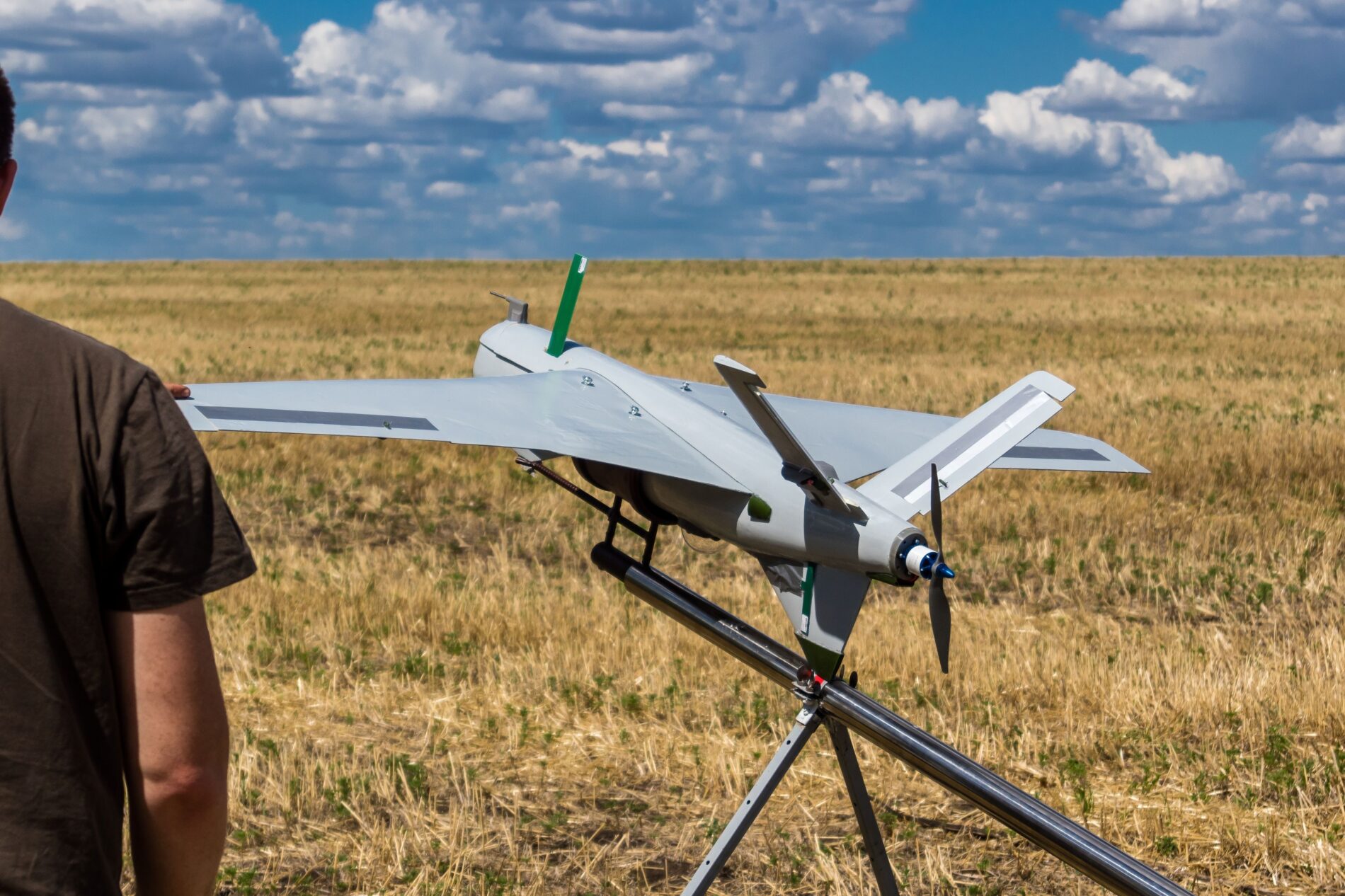
Helsing disputes the claim of a high failure rate. The defense startup points to documented hits in initial flights and considers drawing conclusions from just a few days on the front lines premature. Nevertheless, skepticism persists in Ukraine because field tests are more rigorous than laboratory runs.
The German Armed Forces are awaiting a clear operational signal from Ukraine
Funding is being provided by Germany, so the German Armed Forces are closely monitoring the results. As things stand, there will be no follow-up order as long as there is no explicit interest from Ukraine. This approach follows military logic, as procurement without an operational need would be expensive and risky.
Furthermore, experience with unmanned systems shows that early failures are common. Therefore, test series serve as a filter before large quantities are ordered. The German Armed Forces rely on measurable performance indicators, not marketing promises.
The drone market, pressure to innovate, and competition for programs
Drones are shaping warfare in Ukraine. At the same time, the innovation cycle is shortening because tactics and countermeasures are constantly changing. Suppliers must continuously upgrade their systems to ensure they function under adverse conditions. For Helsing, this is a critical test, as the product must mature quickly.
Competition for government programs remains fierce. Startups face off against established defense contractors, and only a few models succeed in large-scale procurements. Helsing is therefore investing heavily in its own hardware and sees Europe playing a future leading role in autonomous systems, even though setbacks in development are common.
Artificial Intelligence as a Test Case for Frontline Deployment
A key point of criticism concerns the promised artificial intelligence. According to an internal assessment, not all modules for terminal and intermediate guidance, as well as visual target acquisition, were active. Without robust AI software, the probability of a hit decreases as soon as radio links fail or enemy forces interfere with navigation.
Helsing, however, points to separate tests with partners in which the HX-2 reliably hit targets. Such results are relevant, but for Ukraine, what matters most is what works on the front line. That is precisely where it will be decided whether the technology justifies the investment.
Contracts, Inventories, and the Next Step
An ongoing contract still includes deliveries, and some of the systems remain in Ukrainian inventory. In parallel, Helsing is working on adjustments to mitigate the criticisms. Whether this will lead to new orders depends on further field tests and reliable operational data.
One thing is certain: Ukraine remains the most demanding testing ground for modern drone programs. For Helsing, this is the benchmark by which future contracts will be decided.