
In Hamburg, the failure of a key transportation promise made by the SPD and the Greens became painfully apparent in the spring of 2026. The Hamburg Pulse, announced in 2019, was supposed to ensure that every resident of the city could reach public transportation within five minutes by 2030. This very promise, despite being touted for years as the cornerstone of the city’s mobility revolution, will now not be fulfilled in its original form. At the same time, the city has spent years restricting car lanes, parking spaces, and ease of daily life for drivers, while the supposedly superior alternative is now being drastically cut back. For commuters, residents in outlying areas, and working people, this means longer journeys, increased uncertainty, and a massive loss of trust in the Senate’s transportation policy. (abendblatt: 01.04.26)
First, push back the car, then renege on the promise made in return
This criticism therefore hits the nail on the head regarding the red-green strategy. Those who systematically make driving more difficult for people must, in return, provide a reliable public transport system. This was precisely the political basis of the Hamburg Pulse (a planned public transport system), as the Senate promised a comprehensive, practical, and readily available service throughout the city. Now, all that remains of this promise is a slogan, while its practical implementation falls far short of expectations.
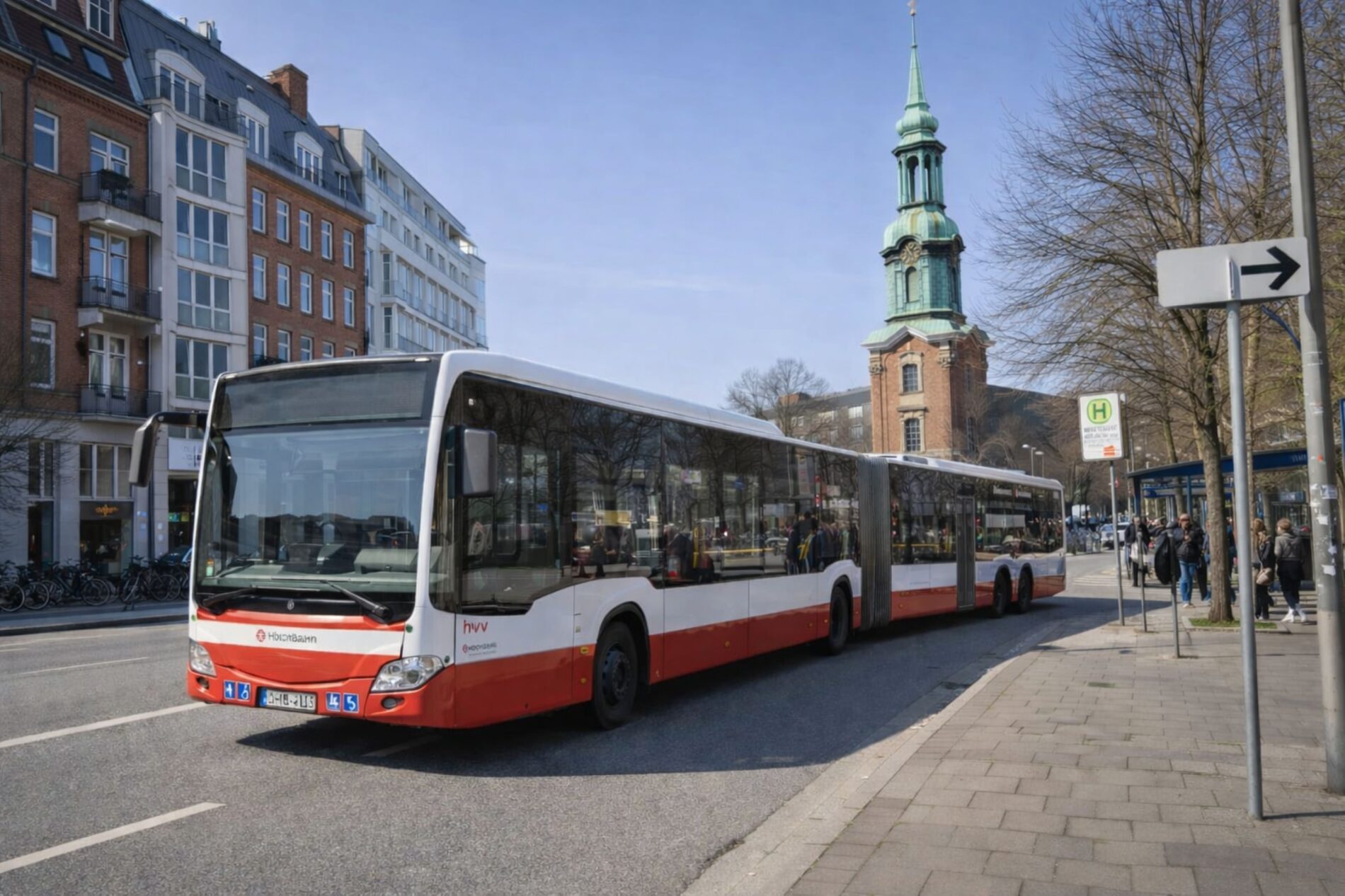
For many citizens, this is more than just a planning setback. It’s a breach of trust because the state demanded sacrifices but isn’t delivering the promised benefits. Those who reduce parking spaces, narrow traffic lanes, and put political pressure on private car use shouldn’t later downplay the alternative. That’s precisely the impression being created now, and that’s why the project seems not just belated but politically hollow.
Outlying areas and commuters are left behind again
The change of course hits the outer districts particularly hard. Many people in these areas have long commutes and therefore depend on a reliable network. But the previous five-minute promise is hardly credible there anymore. Instead, the Senate is relying partly on flexible services and later autonomous solutions. However, the concrete benefits for daily commuters remain unclear. For commuters, this doesn’t sound like progress, but rather like a diversionary tactic.
Added to this is the political contradiction inherent in their own approach. Officially, the red-green coalition continues to adhere to ambitious goals, including a commitment to making sustainable transport the dominant mode of transport in the city and significantly increasing public transport capacity. However, if this crucial promise of comprehensive local transport coverage is weakened, the rest of the strategy will also lose credibility. A metropolis cannot be kept mobile with symbolic gestures, but only with reliability, consistent service frequency, and honest prioritization.
A Prestige Project Becomes a Symbol of Political Mismanagement
The Hamburg Pulse was intended as a flagship project, but it now stands for the opposite. A project meant to make modern mobility without private cars appealing to citizens has become an example of how political promises fail due to costs, priorities, and a disconnect from reality. Citizens were supposed to change their behavior while simultaneously trusting that the state would deliver the infrastructure on time. This trust has been squandered.
That’s why the verdict is so harsh. The red-green coalition didn’t just miss a target; they damaged the very foundation of their own transportation policy. Those who push back against car use and then only provide limited public transportation later burden both sides. Drivers lose freedom, while passengers don’t get a reliable alternative. The Hamburg Pulse no longer represents a new beginning, but rather a policy that makes grand promises and too often capitulates to its own reality.