
Following the blackout in Berlin, the Green Party parliamentary group instructed its members in writing, with a clear directive. The email stated: “DO NOT focus on perpetrators/investigations.” This was intended to prevent left-wing extremist suspects from becoming the main public issue. At the same time, the party is prioritizing the election campaign. The power grid and crisis management are to be portrayed as Kai Wegner’s problem. (bild: 13.01.26)
Exclude far-left perpetrators and prolong the debate
The email defines a line of communication and is designed for impact. It states verbatim: “We have a strategic interest in ensuring that the debate surrounding Kai Wegner receives prolonged media coverage and remains a leadership/competence issue for the Governing Mayor.” This is not a dispassionate analysis of the situation. It is a campaign promise.
The pointed message fits perfectly: “Kai Wegner can’t handle a crisis.” This statement is meant to be repeated and stuck in people’s minds. The focus is thus on crisis management as a personnel issue. A broad discussion about left-wing extremist terrorist groups, on the other hand, would generate a different headline, and that is precisely what the email clearly wants to avoid.
Blackout Consequences: Power Grid Hit, Affecting Thousands
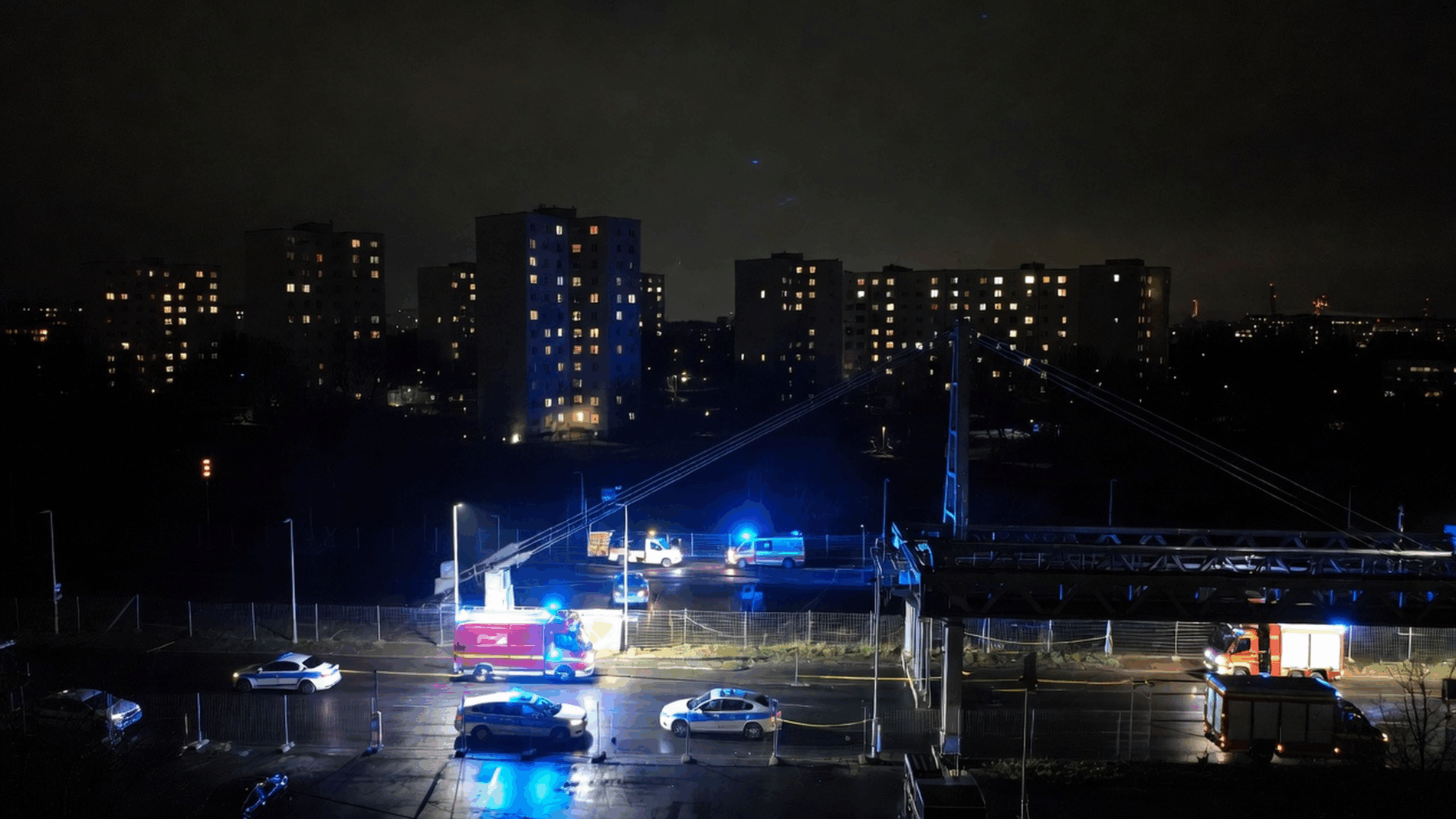
The attack had concrete consequences, and they were massive. On January 3, unknown perpetrators set fire to power lines on a cable bridge. As a result, 45,000 households in southwest Berlin lost power, and 2,200 businesses were also affected. The blackout severely disrupted daily life, and many apartments suffered from severe cold.
Families sought help, and senior citizens also found themselves under pressure. Some people moved into emergency shelters because heating and utilities failed. Investigators suspect the attack was carried out by left-wing extremists, and after the attack, letters claiming responsibility from the “Volcano Group” circulated. This brought not only the electricity grid into focus, but also the question of politically motivated violence.
Wegner as a target, but the SPD out of the firing line
The email contains a second, politically explosive point. The “focus” should be on “CDU/Wegner as the politically responsible figure for leadership and crisis management”—”NOT SPD Giffey/Spranger.” With this, the Green Party leadership intends to keep the debate narrow, even though several ministries are involved in managing the crisis.
Wegner offers a legitimate target, and the email exploits it. He was criticized for playing tennis for an hour on the day of the attack and only admitting this publicly days later. In an election year, such a detail amplifies the criticism. At the same time, an extensive debate about left-wing extremist perpetrators would be politically sensitive for the Greens because it would damage their left-wing image and could lead to a loss of voters there. Therefore, the debate is to remain focused on Wegner throughout the election campaign and across multiple news cycles. The issue of energy infrastructure thus becomes the central focus, while the question of left-wing extremist networks is to be kept down in the public eye.