
Germany is reporting record wind and solar power output, but at the same time a new problem is growing. Operators are increasingly taking plants offline voluntarily, even though production would be clean and cheap. This is because on many days the market tips into oversupply, and wholesale prices plummet. This surplus alters the incentives for new investments and exacerbates the systemic gap between generation, grids, and consumption. (montel.energy: 03.02.26)
Grid Surplus – When Record Production Leads to Shutdowns
The trading platform Montel EnAppSys clearly quantifies the extent of the problem, and a study confirms the surge in 2025. Around 1.75 terawatt-hours of green electricity were voluntarily curtailed. This is almost 25 percent higher than the previous year and corresponds to approximately 0.3 percent of annual electricity production. Therefore, the analysis does not refer to isolated incidents, but rather to a structural pattern.
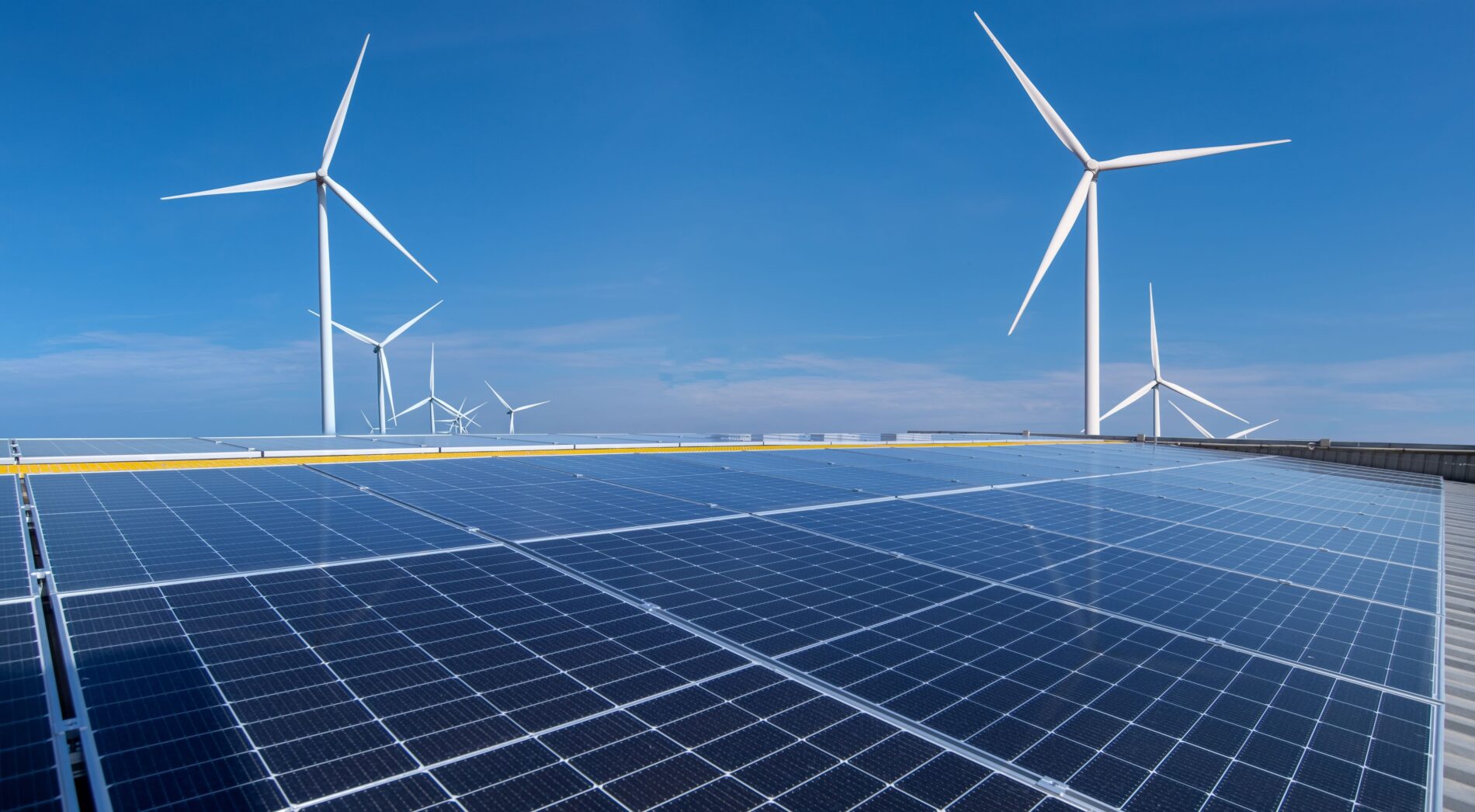
The trigger lies at the electricity exchange, because the supply of sunny or windy hours exceeds demand. Many solar power plants then feed into the grid simultaneously, but the lines and markets reach their limits. As a result, prices fall, and negative hours become more frequent in certain regions. Operators react economically, as they avoid losses by halting production. This surplus thus affects not only the exchange but also planning certainty.
The Solar Peak Act – When Curtailment Suddenly Pays Off
Until recently, many plant operators could simply ride out negative prices because they still received compensation. This created perverse incentives, and the grids were put under additional strain. Therefore, shortly before the federal elections in February, the SPD, the Greens, and the CDU/CSU passed the Solar Peak Act. Since then, newly built plants no longer receive compensation if they feed into the grid when exchange prices are negative.
In practice, the logic of the law follows, but with side effects. Operators prefer to shut down rather than sell electricity at negative prices. This stabilizes grids and markets in the short term, because less feed-in dampens the price drop. Jean-Paul Harreman, study author and Director at Montel EnAppSys, puts it this way: “Although curtailing emission-free generation is controversial, commercial curtailment helps maintain the functionality of the markets.”
The “cannibalism problem” eats up revenues and slows down new projects
The mechanism affects renewables themselves, because every additional solar park reduces the revenue of all others. This is precisely where the “cannibalism problem” arises. When solar power is generated in large quantities at the same time, the value of these kilowatt-hours decreases. Investors then calculate more cautiously, and projects require more hedging.
An additional effect occurs in the power plant fleet, while negative prices are less frequent and less extreme. This makes it easier for fossil fuel power plants to remain in the market because the price signals are less harsh on them. This weakens the climate benefits, even though installed capacity is increasing. Harreman also describes the market logic as follows: “Renewable energy producers limit the price decline and stabilize actual market prices and cannibalization effects by withdrawing their supply from the market during times of negative prices.”
Storage and Flexibility – How to Utilize Surplus Electricity
The potential benefit is lost, even though households and industry could profit from it. With more storage, smart control, and flexible consumers, surplus electricity could be used directly, for example, to charge electric vehicles or for industrial processes. However, the expansion of storage capacity is lagging behind the expansion of generation, and smart meters are lacking in many places. As a result, the market remains rigid, even though the technology has long been available.
Montel therefore sees a clear priority: expanding grids, storage, and flexibility more quickly than before. Operators are already seeking new revenue streams by utilizing additional markets or linking battery storage systems. As long as Germany fails to close this system gap, periods of oversupply will remain commonplace. Consequently, there will continue to be sunny days when operators deliberately do not generate electricity, even though the plants could be running, because otherwise the surplus would again lead to negative prices.