
London: The British government has confirmed the introduction of a per-mile tax for electric vehicles, effective April 1, 2028. Pure electric vehicles will be charged the equivalent of approximately 2.2 euro cents per kilometer, while the rate for plug-in hybrids will be around 1.1 euro cents. This levy supplements the existing vehicle tax and is intended to partially offset declining fuel tax revenues. Consequently, an electric vehicle driver covering a distance of around 12,875 kilometers would incur additional annual costs of approximately 283 euros. Billing will be based on the reported mileage. The measure applies to all UK-registered electric vehicles and plug-in hybrids, with the cost increasing in line with the distance driven.
EV mileage tax applies to every kilometer driven
The EV mileage tax applies at the full rate to hydrogen vehicles as well. In contrast, plug-in hybrids and vehicles with range extenders pay only half the rate. Furthermore, starting in the 2029/30 tax year, the rates will rise in line with UK consumer price inflation. Electric vans, buses, and heavy trucks remain exempt from the levy for the time being.
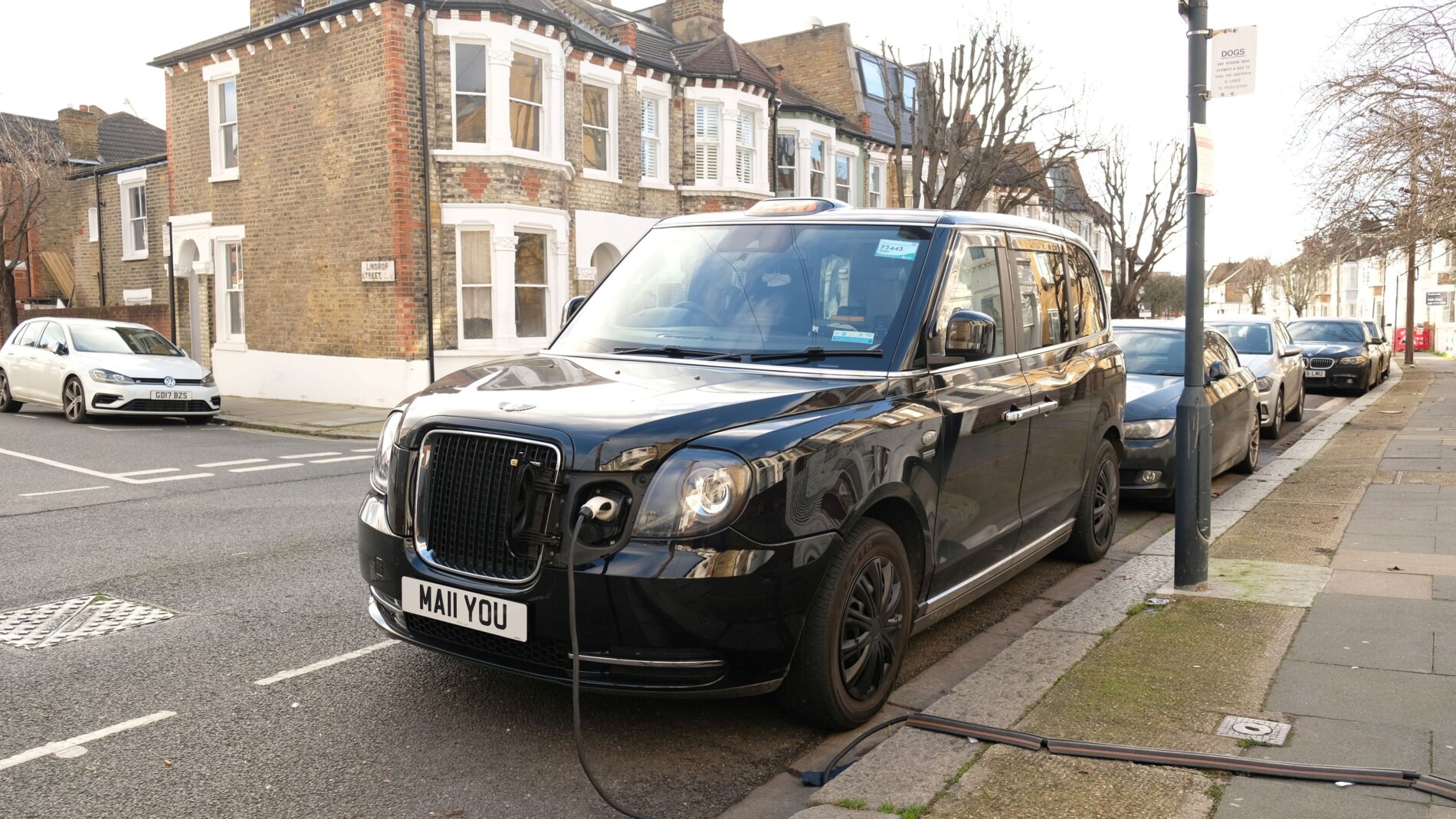
Image: Shutterstock
However, standard Vehicle Excise Duty remains fully in effect; electric cars have already been subject to this tax since April 2025. The price threshold for the surcharge on expensive electric vehicles is rising from the equivalent of around €47,200 to approximately €59,000. Consequently, the UK will combine an ownership tax with a mileage-based usage charge.
Mileage replaces continuous GPS monitoring
When renewing the tax annually, the owner first reports the current mileage. They then estimate their driving distance for the coming year, based on which the UK licensing authority calculates the provisional tax amount. Drivers have the option to pay annually, semi-annually, or monthly. Following the tax year, the authority reconciles the estimate with the actual mileage.
However, the government does not plan to implement continuous GPS tracking of vehicles. The MOT test records mileage for older cars; therefore, owners of new vehicles report their mileage themselves until the first inspection is due. The authority can also demand an official inspection if fraud is suspected. Distances driven abroad are also included in the tax calculation, as London does not wish to compile movement profiles.
Falling fuel tax revenues leave a multi-billion-euro gap
The mileage tax for electric vehicles is projected to generate the equivalent of around 1.30 billion euros in its first year. Forecasts indicate this figure will rise to approximately 2.24 billion euros by the 2030/31 tax year. The government intends to use the revenue to offset some of the losses from fuel taxes. Around 80 percent of the proceeds from the first three years are earmarked for reinvestment in electromobility and the automotive industry.
However, the financial burden often falls more heavily on drivers in rural areas, as they cover longer distances and frequently have fewer alternatives to using a car. Consequently, the flat-rate levy takes neither income levels nor the lack of bus and rail connections into account. Furthermore, the tax applies to every kilometer driven, even outside the UK. As a result, the new tax narrows the cost advantage enjoyed by electric vehicles without eliminating it entirely.
Author: Blackout News
Sources: Automotiv World (15.07.26) – The Independent (14.07.26) – electrive (14.07.26) – RAC (14.07.26) – GOV UK (13.07.26)