
In Germany, the center-right/center-left coalition is initiating a fundamental shift in energy policy. This is prompted by the planned repeal of key provisions in the existing heating law, its renaming to the Building Modernization Act, and further amendments to energy legislation. The focus is on the heating sector, but also on the broader question of whether electricity can simultaneously power heating, transportation, and parts of industry. This is precisely where the crucial risk factor lies, as the electricity supply is growing more slowly than the demand driven by heat pumps, electric vehicles, charging infrastructure, and new electrical applications. The immediate consequences are significant: oil and gas heating systems will remain permitted for the time being, even in new buildings, and homeowners will regain more freedom of choice, while environmental groups and social organizations are protesting vehemently and warning of new costs.
Electricity Shortage in the Heating Sector Becomes a Political Problem
The core of the change of course regarding the heating law lies not only in the dispute over individual heating systems. The energy transition to date has relied heavily on electrification, i.e., the shift of heating, transportation, and other applications to electricity. However, this model is increasingly under pressure because the additional demand is growing simultaneously in several sectors. If millions of households are to use heat pumps, consumption will rise massively in winter. If, at the same time, more electric cars are being charged, municipal fleets are being electrified, and businesses are converting their processes, the load on the grid will increase even further.
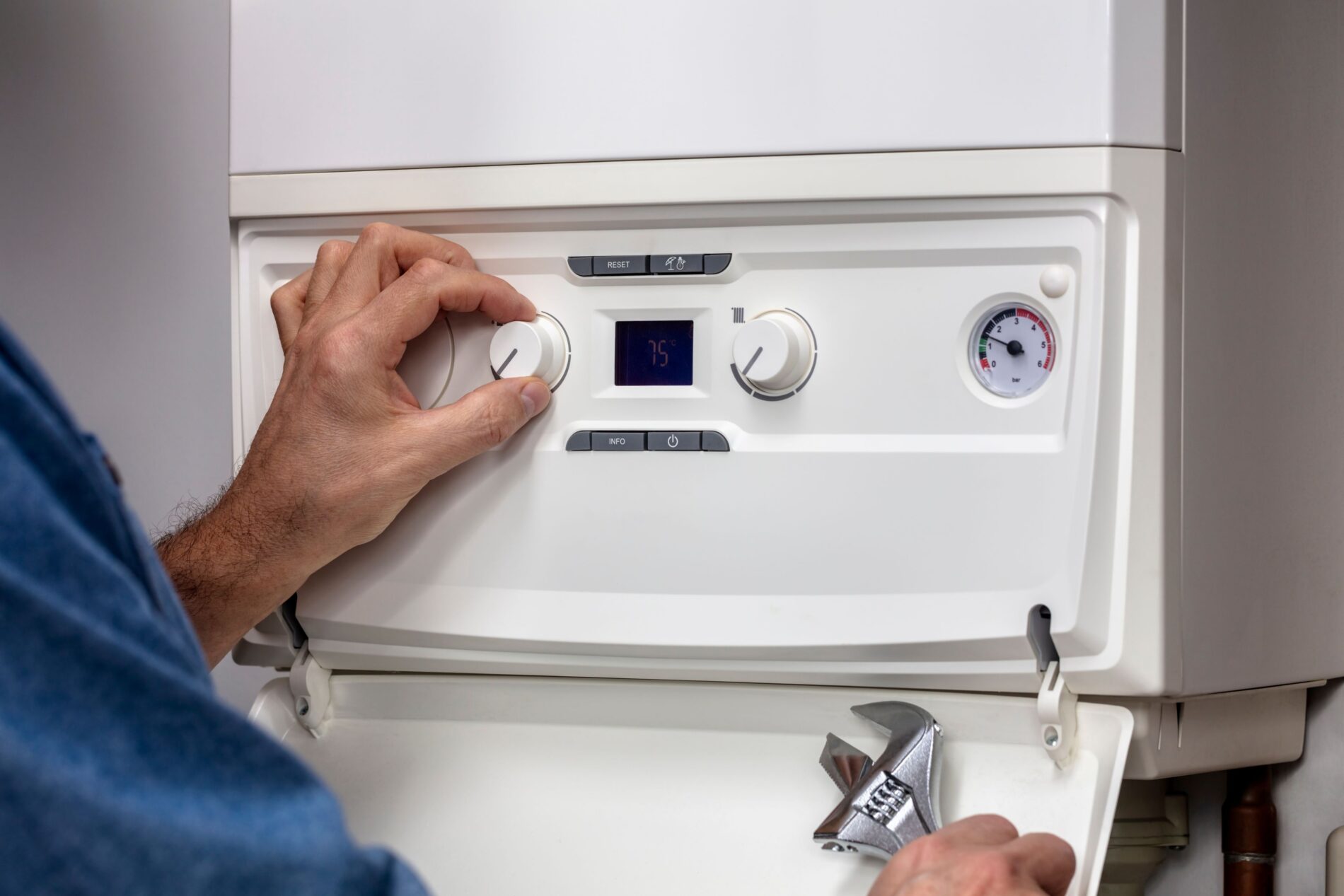
This very simultaneity exacerbates the problem. In the heating sector, peak demand falls precisely during times when supply can be particularly strained. Cold winter days drive up consumption, while industry, transportation, and households draw electricity simultaneously. Wind and solar power plants don’t always provide enough at these times, and annual average values are of little help during such hours. The peak load remains crucial because it reveals whether sufficient electricity is truly available. Therefore, a growing number of experts doubt that a near-complete shift from heating and transportation to electricity can be achieved without bottlenecks and price spikes.
Government reverts to gas, biomethane, and hydrogen
The political response is therefore decisive. Sections 71 to 71p and 72 of the Building Energy Act are to be repealed without replacement. This ends the legal pressure on property owners to later switch to heat pumps, district heating, or wood. Jens Spahn openly articulated the break: “The boiler room will once again become a private matter.” At the same time, he announced: “We are abolishing Habeck’s heating law.” For many homeowners, this means more flexibility, while critics see it as a setback for climate protection.
However, there is more to this decision than party politics. The government is moving away from the idea that electricity alone will remain the key to the entire energy transition. In the future, climate-neutral fuels will be integrated more extensively alongside heat pumps. These include biomethane as well as “green, blue, orange, and turquoise hydrogen,” provided no greenhouse gases are produced in the process. This approach is intended to relieve the strain on grids and power plants because not every additional application needs to be directly connected to the electricity grid. Existing gas infrastructure could therefore continue to be used, while the load is distributed across multiple energy sources.
More freedom for homeowners, but new risks remain
The new policy primarily offers homeowners greater freedom of choice. Oil and gas heating systems will remain permitted, even in new buildings, while the government intends to further promote the installation of heat pumps. A green gas quota of one percent is planned for gas suppliers starting in 2028. This will allow existing systems to remain usable, while the share of climate-neutral gases will gradually increase. This broader approach is apparently also finding support within the SPD (Social Democratic Party). Esra Limbacher speaks of a “real opportunity to bridge the societal divides that have emerged.”
Nevertheless, it remains unclear how expensive this path will be. Green gas, biomethane, and hydrogen are not available in unlimited quantities, so new bottlenecks could arise. If households and industry compete for the same quantities, price pressure will increase. However, this change of course demonstrates one thing above all: the government is responding to the growing gap between electricity supply and demand. The more heating, transportation, and industry become electrified, the larger this gap will grow. That is precisely why Berlin is gradually abandoning the idea that electricity alone can sustain the transformation of the energy supply. (KOB)