
Despite its own bans, Germany continues to rely on fossil fuels, as a new LNG contract binds the country to Patagonia for the long term. Liquefied natural gas from southern Argentina is intended to strengthen energy security, even though fracking is causing massive damage there. The deal links economic interests with global responsibility, but social conflicts and environmental risks have accompanied the project from the outset. (taz: 04.12.25).
Patagonia as a Key Region in German Energy Policy
Patagonia is moving to the forefront of German energy decisions because it is home to the Vaca Muerta shale field. This area is one of the world’s largest deposits and provides the basis for extensive fracking. The liquefied natural gas (LNG) is being transported to the global market via a new liquefaction vessel in the Gulf of San Matías, thus giving concrete form to the LNG contract. Energy security is the focus, but environmental concerns are taking a back seat.
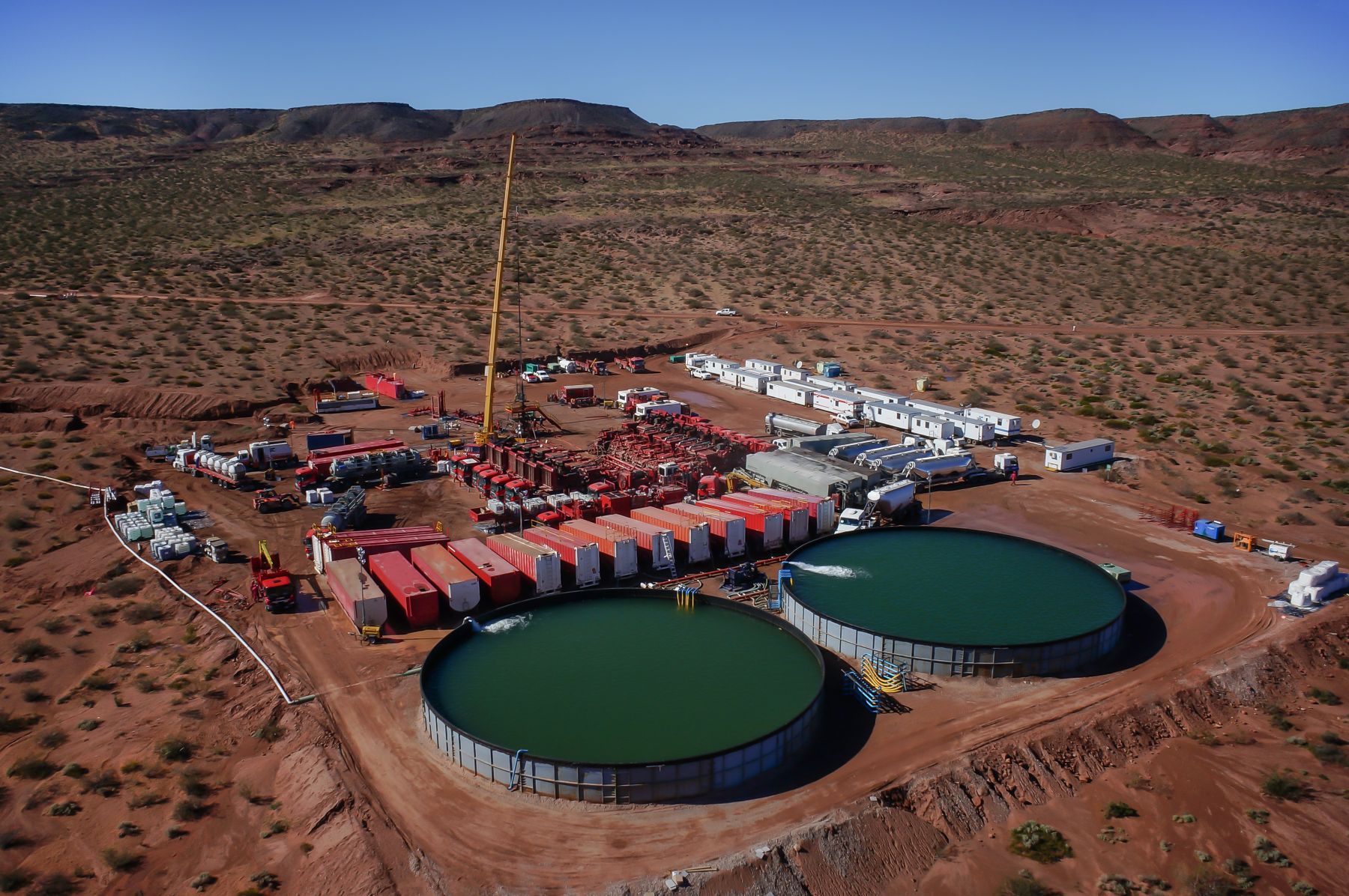
Germany is pursuing a clear strategy with the gas supply agreement. Following the transfer of ownership from SEFE to the federal government, the company is seeking new sources of supply, while political actors emphasize security of supply. At the same time, domestic fracking remains taboo, and this very contradiction strongly shapes the debate surrounding Patagonia.
Billions in Interest and the Consequences of the LNG Contract
The LNG contract with the Southern Energy consortium promises economic stability, as deliveries are scheduled to run from 2027 to 2035. Up to two million tons of liquefied natural gas will flow to Europe annually, theoretically increasing energy security. Nevertheless, new dependencies are emerging, as Patagonia is becoming increasingly important as a production region.
Argentina expects high revenues, which is why the government and companies are resolutely pushing ahead with the hydraulic split. The chairman of Southern Energy described the contract as a milestone for expanding gas exports. SEFE also emphasizes the benefits for Europe and points to diversification, even though social tensions are rising in the production area. The gas supply agreement thus connects winners and losers in different ways.
Fracking Practices and Energy Demand in Conflict
Fracking shapes daily life in the Neuquén Basin, as the technology deeply impacts the landscape. Extraction in Patagonia affects soils and water resources, while German households benefit from stable supply chains. Liquefied natural gas (LNG) serves as a bridge in the energy transition, but this approach creates new problems elsewhere.
Indigenous communities have been reporting contaminated drinking water and damaged grazing lands for years. Protests are directed against companies and government agencies, because economic promises are no substitute for a healthy environment. Energy security loses credibility when security of supply comes at the expense of other regions.
Europe’s Responsibility in Southern Argentina
Europe shares responsibility for developments in Patagonia, as demand drives the expansion of LNG production. The LNG contract strengthens supply in the short term, but in the long term, it increases the pressure on people and the environment. Fracking creates dependencies, while alternatives are progressing only slowly.
Germany is sending a contradictory signal. Strict regulations apply at home, while aggressively invested projects abroad are met with acceptance. Liquefied natural gas from southern Argentina secures volumes, but it shifts risks. An honest debate about energy security, global justice, and political consequences therefore remains essential.