
Gascade filled a 400-kilometer pipeline with hydrogen at the end of December 2025, but no customer has booked any capacity. A total of €428.5 million in investment costs was budgeted for the three sections. The infrastructure for hydrogen in the core network is now in place. Nevertheless, there is not a single contract with a potential customer. Network charges remain an additional cost factor because companies factor in every levy. Thus, the project functions like an operation without customers, and this is precisely what makes the situation so critical. (tagesschau: 29.12.25)
Despite a full pipeline, there are no customers
The pipeline runs from Lubmin to Bobbau and, according to the operator, is the longest hydrogen pipeline in Germany. Tanker trucks arrived at the Radeland compressor station and filled the pipeline over many months. Gascade division manager Carina Gewehr says: “The challenge was ultimately that we were doing this for the very first time,” and she adds: “I believe this is pioneering work for all network operators in Germany.”
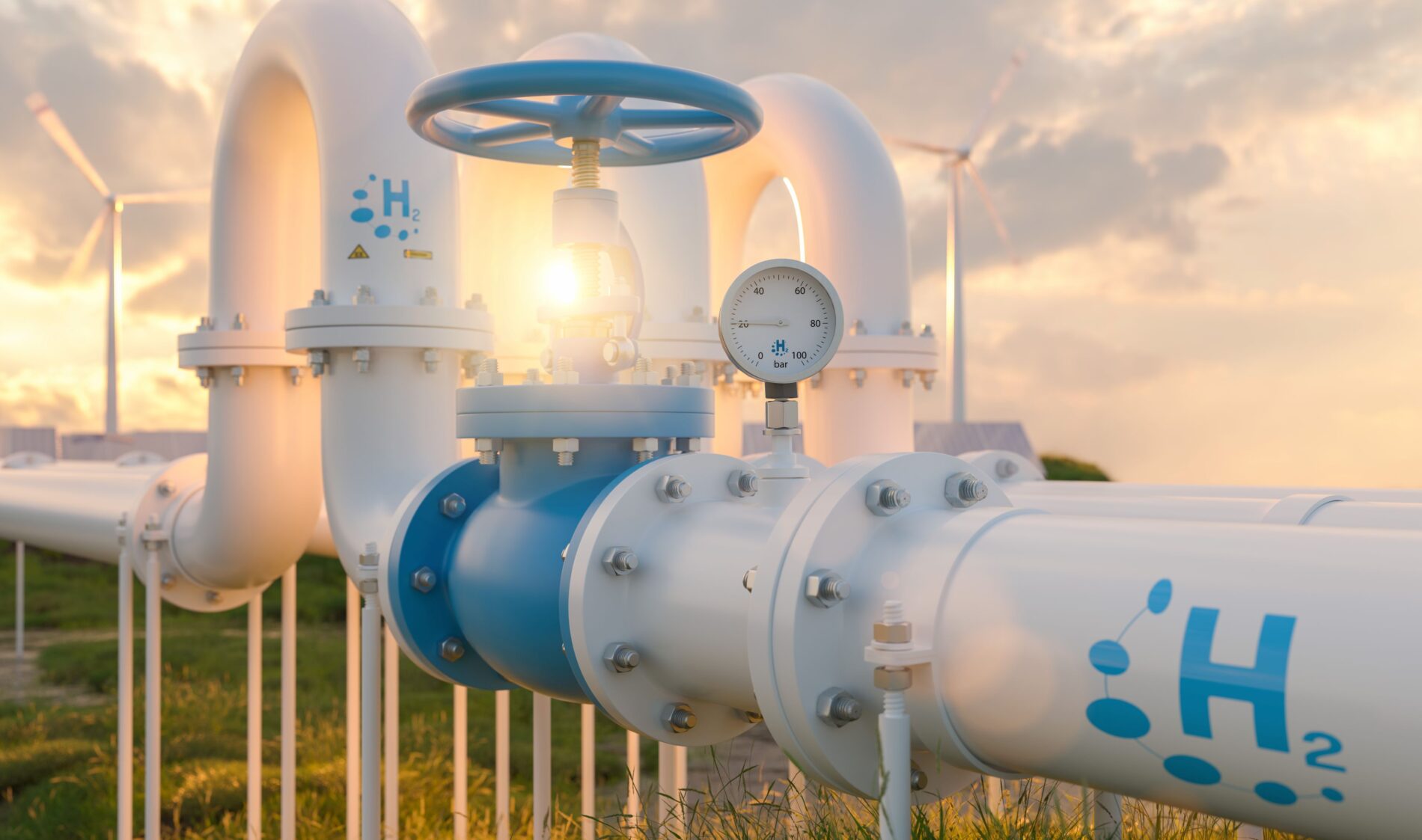
Gascade is relying on existing pipelines because natural gas used to flow through the route, but now hydrogen is set to take center stage. Gewehr emphasizes: “Natural gas pipelines are very well suited to also transporting hydrogen,” and she points to the conversion process. The pipeline thus demonstrates that the technology works, but without customers, its benefits remain theoretical.
€428.5 million in planning – but no contract
Planned figures exist for three sections of the corridor, making the scale of the project tangible. Lubmin–Uckermark is listed in the documents at €129.3 million, followed by Uckermark–Radeland at €195.2 million. Radeland–Bobbau is budgeted at a further €104.0 million. This results in total costs of €428.5 million for this section. This sum seems all the more daunting because not a single customer has booked capacity in the core network.
While Gascade speaks of an expected ramp-up, the market has so far provided no indication to support this hope. A spokesperson says: “As a network operator, we assume a successful market ramp-up and have no doubts about it,” but confidence is no substitute for a contract. Without customers, even the best pipelines remain an expensive promise, and the industry is taking a very pragmatic view.
Hydrogen price and network charges are driving the industry away
Management consultant Matthias Deeg describes the problem with the price, and he puts it clearly. “At the moment, hydrogen prices are brutally high, so that we would sometimes have to pay three times the current natural gas price,” he says, thus dismantling many business cases. Large consumers are calculating hard because they are in competition, and that’s why they are avoiding hydrogen.
Deeg draws a drastic conclusion from this: “The demand for hydrogen is currently practically zero,” and he adds: “This means that the investments we are currently making in the core network are currently without buyers or sellers.” Even if H2 is politically desired, it remains too expensive for many locations, and the pipeline continues to wait for customers.
Without customers, the core network becomes a gamble
The regulatory authority is also increasing the pressure by setting usage fees, and companies feel these costs immediately. The Federal Network Agency has set a ramp-up fee for the hydrogen core network. This significantly increases transport costs for companies. According to its own statements, Gascade receives subsidies, and the federal government will also step in if the pipeline does not generate sufficient revenue by 2055. While this reduces the operator’s risk, it doesn’t create customers. It acts as a safety net, but it doesn’t solve the customer problem.
Brandenburg’s Minister of Economic Affairs, Daniel Keller, speaks of an opportunity, but he tempers expectations. “However, it has also become clear that developing a hydrogen economy is not a given,” he says, and he demands: “We must create suitable framework conditions, reduce market risks, and find pragmatic solutions.” Without these conditions, the core network remains a construct on paper, and the pipeline will ultimately stand on its own.
Gascade division manager Gewehr identifies the core issue: “Ultimately, hydrogen has to be competitive. I believe that’s the crucial point that ultimately needs to be overcome for market ramp-up. Work needs to be done on that.” This is precisely why companies are postponing projects, and consequently, the pipeline continues to lack customers. Leag is not currently planning a hydrogen power plant in Lusatia, and ArcelorMittal is putting the conversion projects in Bremen and Eisenhüttenstadt on hold for the time being. As long as this remains the case, the network charge will remain merely a detail, because without customers, nothing flows through the pipeline.