
Gas storage facilities in the Netherlands are even less full than in Germany. While storage levels in Germany were around 34 percent at the end of January, those in the Netherlands have recently been well below 30 percent. This situation increases the risk of gas flows to Germany being interrupted. A supply disruption from the Netherlands is therefore a plausible scenario. This is especially true if the low temperatures persist and gas consumption remains high in the Netherlands as well. (apollo-news: 29.01.26)
Why a Gas Supply Disruption from the Netherlands Would Be So Dangerous for Germany
The Netherlands is both a supplier and a transit hub for Germany. Some of the gas comes from domestic production, and some reaches Germany via LNG shipments. Furthermore, networks converge there that transport gas volumes toward Germany. As storage capacity dwindles, the pressure increases to use available gas domestically first. And that’s precisely when a supply disruption becomes more likely, even without formal notification.
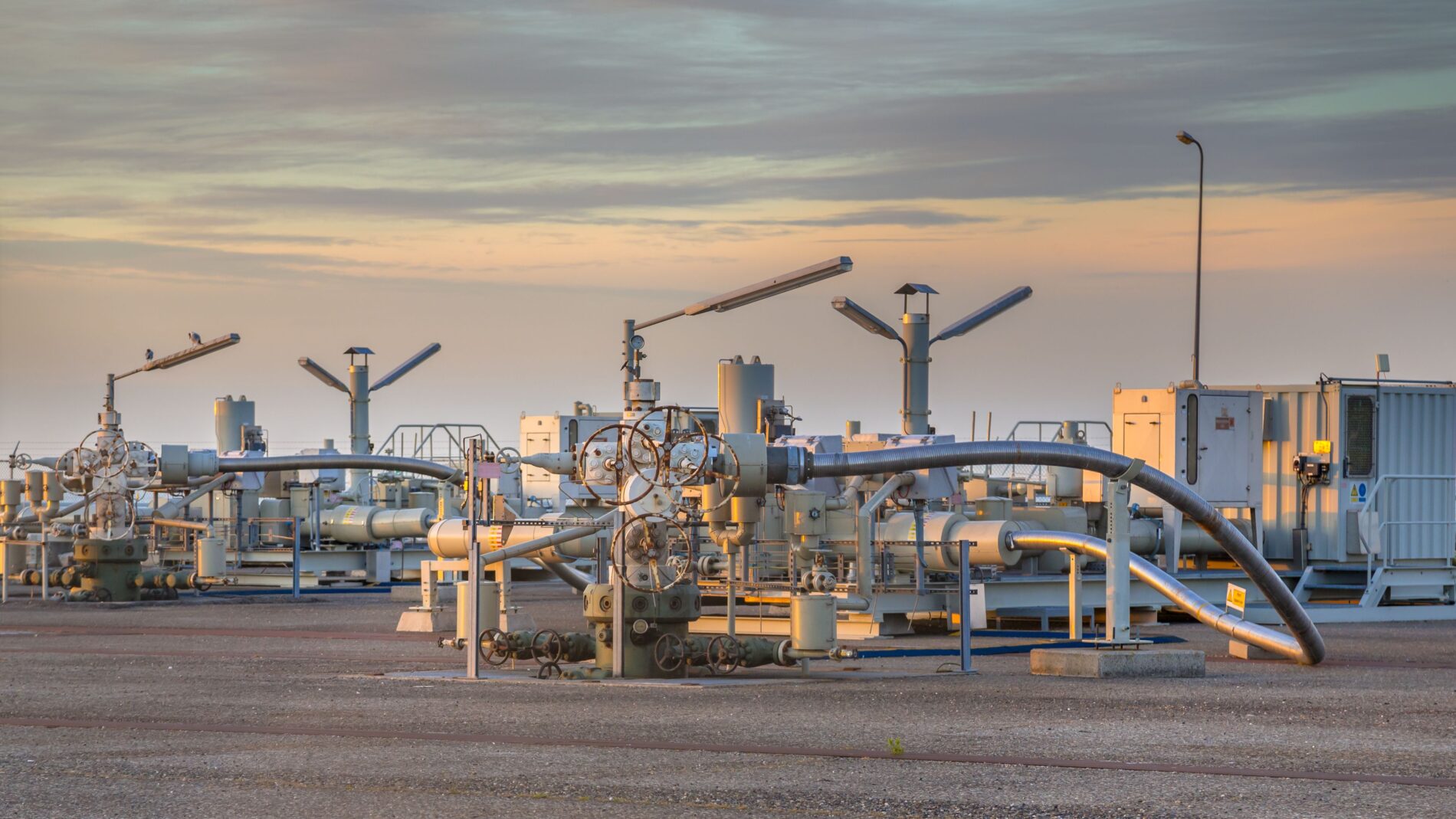
Germany is dependent on the western corridor because large import volumes come from or via the Netherlands. While Norway remains the primary supplier, the Netherlands forms a second pillar. If this pillar falters, the risks for industry and heat supply increase. Therefore, even a prolonged cold snap is enough to turn a risk into a supply disruption scenario.
Low storage levels increase stress on the system
Low storage levels mean less reserve capacity for peak loads. At the same time, the rate of withdrawal is crucial, as it rapidly depletes the buffer. If this dynamic intensifies, the behavior of market participants shifts. Suppliers secure supplies earlier, and prices rise more quickly. This makes a supply disruption or a reduction in delivery volumes more likely, because every country prioritizes stability in its own network.
Added to this is the medium-term situation in the Netherlands. Domestic production is declining, and a return to previous levels is considered politically impossible. This increases dependence on imports and LNG landings. The lower the storage level, the less a disruption in external supplies can be mitigated.
Central Europe appears more stable, but it doesn’t replace the western supply axis
Some neighboring countries are in a better position regarding reserves. Austria maintains significantly higher storage levels and can also supply Bavaria via Haidach. The Czech Republic also possesses substantial reserves, and Poland’s reserves are even higher. These buffers stabilize the region, but they don’t replace major western flows. If the Netherlands weakens as a transit and supply country, a critical point will still arise for Germany.
Belgium also supplies gas to Germany but has hardly any storage capacity. Its buffer is limited, making a continuous supply all the more crucial. As soon as several factors come into play simultaneously, vulnerability increases. A supply disruption in the west can then be felt more quickly than a bottleneck in the east.
What signals point to an impending supply disruption?
A supply disruption rarely manifests itself first in political statements. It usually becomes visible in daily flow data because border crossings suddenly deliver less. Simultaneously, withdrawals from German storage facilities increase because short-term replacements are necessary. If temperatures also remain low, the effect is amplified. What was once speculation then becomes a situation that the market actively factors into its pricing.
The facts therefore allow for a sober conclusion. Low Dutch storage levels, low German storage levels, and persistent cold weather increase the likelihood that gas flows will not remain stable. A supply disruption has not been confirmed, but it is clearly identifiable as a risk. Therefore, the Netherlands corridor is currently one of the crucial levers for ensuring supply.