
On February 28, 2026, Federal Minister for Economic Affairs Katherina Reiche (CDU) announced plans to expand gas production in Germany to strengthen security of supply in “challenging geopolitical times.” At the same time, the federal government is planning new regulations for heating systems with the Building Modernization Act, increasing political pressure to provide sufficient gas for the heating market. Reiche distinguishes between natural gas and biomethane, but considers both within the context of a shared supply question: How stable will the gas market remain when demand and requirements increase? She cites German reserves and potential projects in the North Sea as the setting, with marine protection forming the central point of contention. Critics simultaneously doubt the availability of “green gases” and warn of higher costs, which could lead to significant additional expenses for consumers. (tagesschau: 28.02.26)
Heating Plans Drive Demand for Climate-Friendly Gases
According to the plans of the governing coalition of the Christian Democrats and Social Democrats, new gas and oil heating systems are to be operated with an increasing proportion of climate-friendly fuels starting in January 2029. Therefore, biomethane is gaining importance as an additive. The Building Modernization Act is intended to establish the framework for this. However, many buildings will still be technically designed for gas-based systems. Critics argue that “green gases” are not available in sufficient quantities and that costs will rise. This increases the risk of a cost trap, as corresponding price increases will directly impact end consumers.
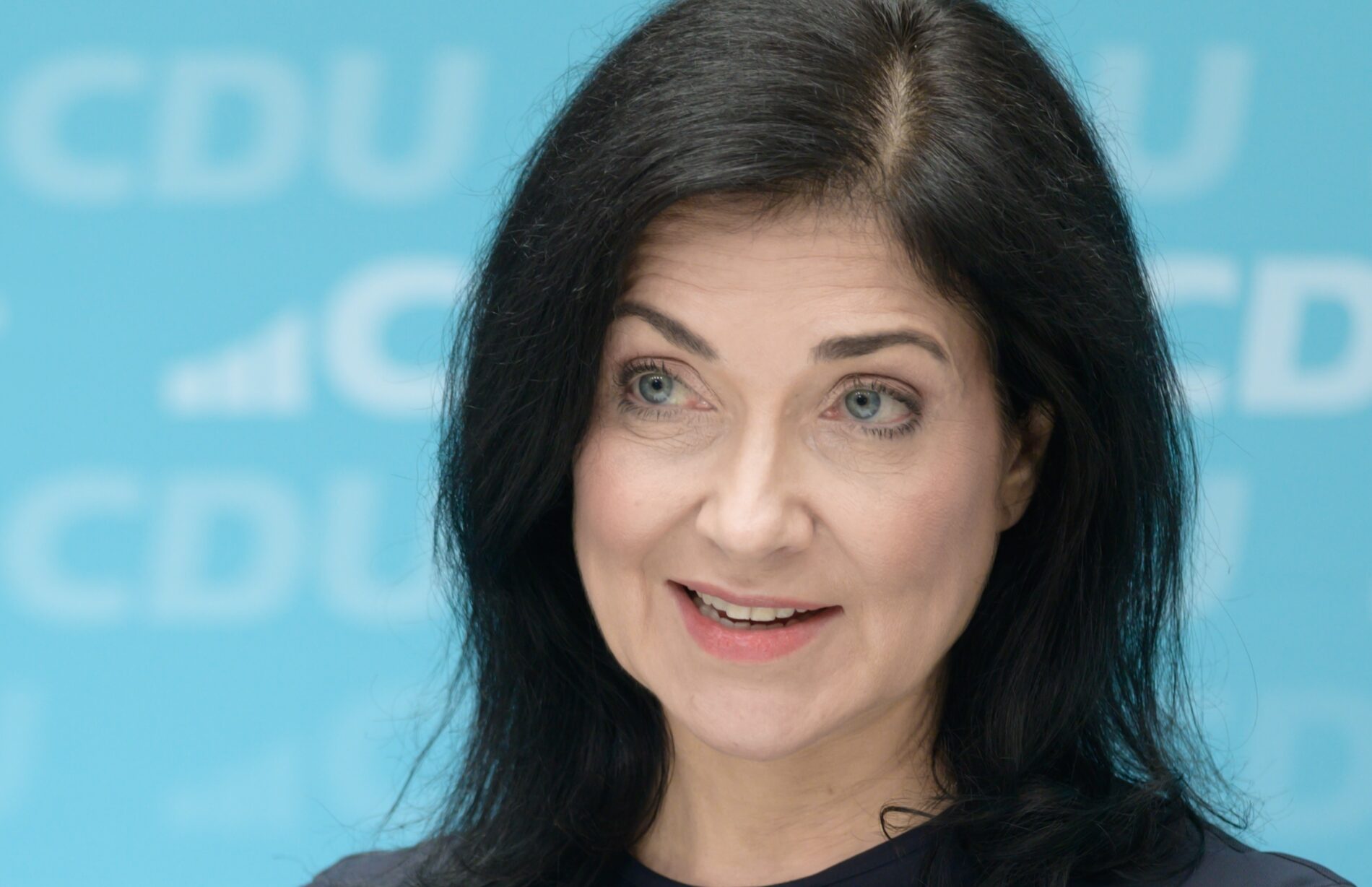
Reiche addresses this supply gap politically, but without equating natural gas and biomethane. She argues that there is an overall increase in pressure on the gas market as the targets for 2029 draw closer. From this, she concludes that Germany needs additional options, because shortages of one type of gas increase stress on the entire system.
Biomethane from Ukraine – possible, but bound by regulations
For climate-friendly gases, Reiche is counting on imports from Ukraine because the country offers “biogas in large quantities.” She says there are “still regulatory challenges on the part of Ukraine and the EU,” but if a solution is found, “significant biomethane imports” are realistic. This is intended to stabilize the supply of climate-friendly gases, while critics fear shortages precisely in this area.
Whether this approach is viable depends on standards, certifications, and EU regulations, which is why the timeline remains crucial. If it doesn’t work out in time, the supply will remain scarce and expensive. This will hit consumers particularly hard, as heating costs and conversion expenses will increase.
Gas Production in Germany: Natural Gas Reserves, Economic Viability, the North Sea
At the same time, Reiche wants to expand gas production from domestic natural gas reserves because she doesn’t want to rely solely on imports to ensure security of supply. “We have our own reserves in Germany,” she told the newspapers of the Funke Media Group, but she makes expansion dependent on extraction “under favorable conditions.” This needs to be discussed, she said, because economic and technical factors determine the actual quantities.
She cites the North Sea as a reference point, where marine conservation plays a central role. Reiche points to the North Sea. The German government has allowed the Netherlands to explore a gas field there. Therefore, she expects Germany to consider similar steps. She said: “This should be possible from the German side as well – despite all the justified concerns about marine conservation.” At the same time, she demands a careful balancing of interests. “A very sensitive balance must be struck between environmental interests and raw material supply.” This makes gas production a political tool. The biomethane debate, on the other hand, mainly concerns the climate-friendly requirement in future heating regulations.