
After the blackout, all households in Berlin are reconnected to the power grid, but in Zehlendorf, entire streets are still without heating: The days of freezing temperatures damaged many heating systems to the point that they cannot be restarted. Without electricity, pumps and controls were shut down, and many buildings cooled down completely. Numerous heat pumps froze, pipes burst in several houses, and there were burst pipes. Furthermore, voltage spikes during the power restart destroyed the electronics, including those in gas and oil heating systems. Heating technicians have been working under exceptional circumstances ever since, as many malfunctions occurred simultaneously, forcing them to prioritize cases and assign them accordingly, much like triage in a hospital. (berliner-zeitung: 09.01.26)
Frost in the blackout zone: A deluge of calls and deployments prioritized by urgency
Around the Schlachtensee S-Bahn station, the usual schedule takes precedence over the immediate situation on the ground. Alexander Dobriloff (51), a certified engineer and head of RO-DO Wärmedienst, describes the influx of calls: “Our phone is ringing off the hook.” Many callers are reporting total power outages.
Dobriloff organizes the call-outs according to a clear schedule, as local resources are limited. “We channel them, similar to a hospital,” he says, and his company reschedules appointments that aren’t immediately necessary. Instead of about 25, the team manages around 45 home visits per day, according to Dobriloff. Therefore, an installer often checks which address will be visited first.
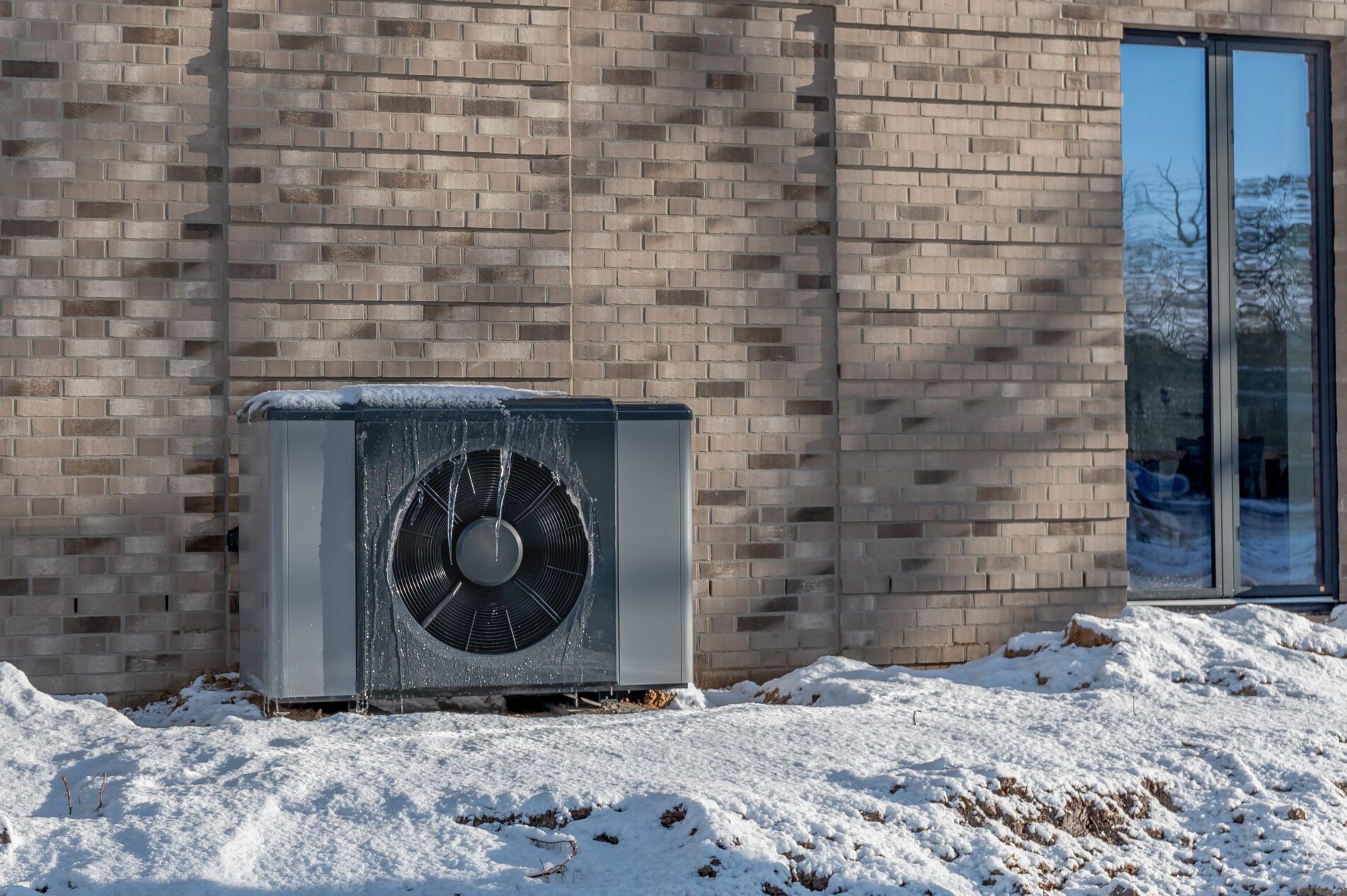
Heat pumps and frost: Freezing, burst pipes, and costly total losses
Dobriloff most frequently sees damage to systems that have been left without power in the cold, because inactivity and sub-zero temperatures endanger water-carrying components. “Frozen heat pumps are a particularly critical issue,” he says, and he describes the consequences: “The exceptional situation of cold and no power led to total loss in some units. Pipes burst, fittings were damaged.” In such cases, repairs often end with replacement, as the systems are no longer economically viable to salvage. Dobriloff estimates the cost of a new heat pump at 10,000 to 15,000 euros, plus additional work on pipes and fittings.
Remote support is also on the rise, as time and temperature settings often need to be reprogrammed after a power outage. Dobriloff reports around 50 calls per day and says, “In some cases, we can provide them with help over the phone to help themselves.” Sometimes correct programming is all it takes, but in cases of frequent burst pipe reports, only an on-site visit will suffice. Those who operate a heat pump feel the effects particularly quickly, as frost damage often affects multiple components. Frost remains the primary cause, because frozen water puts stress on pipes from the inside.
Voltage spikes after power restoration: Gas and oil heating systems out of service
In addition to damage from the cold, gas and oil heating systems are also affected, as the return of electricity can be technically disruptive. Dobriloff reports that voltage spikes during the power cycle disable numerous devices that are switched on. “The electronics and control systems of the safety devices are damaged,” he says. Even a brief overvoltage can damage circuit boards and protective functions, while the user only notices that the heating system won’t start. For businesses, this means additional diagnostic time because the symptoms of the faults are similar.
Woermann & Sons in Zehlendorf-Mitte has also registered many outages since the incident, while four teams process about twenty jobs a day. Christiane Woermann (71) says: “Most callers report that their heating won’t turn on anymore.” Multiple burst pipes tie up a particularly large amount of resources, because water can damage insulation, valves, and components in a short time. A pipe rupture often occurs as a secondary consequence, because frozen water bursts pipes. Voltage spikes also remain a second source of damage, because they cause electronics to fail only after the power returns.
Heating technicians warn against DIY repairs: Blackout cases take priority
The plumbing, heating, and air conditioning (SHK) guild is setting clear guidelines, as DIY attempts to fix heating systems pose risks. Managing Director Andreas Koch-Martin says: “We are giving priority to customers affected by the power outage!” He also warns homeowners that safety devices can be sensitive. If the reset button isn’t working or something seems unusual, “don’t try to fix it yourself!”
For those affected, a thorough inspection is crucial now, as every system presents with different fault patterns. A heating technician can determine whether settings are simply missing or whether voltage spikes have damaged components. They will also check whether further pipe bursts are likely after freezing temperatures, preventing water damage from the cold.