
In Germany, concerns about a natural gas shortage have been growing since the 2020s, even though, according to Professor Hans-Joachim Kümpel, the former head of the German Mineral Resources Agency, the country possesses large domestic shale gas resources. The reason for this concern is the legal ban on fracking for natural gas from shale and coal seams, which has been in effect since the 2010s and blocks the use of these deposits. Kümpel considers it a key factor in the escalation that politicians have turned the process into a symbolic battle, even though technology and regulation could mitigate risks. As a consequence, Germany is buying natural gas at high prices on the global market, becoming more dependent on the supply chains and production standards of other countries, and remaining more vulnerable to shortages during cold winters. (welt: 20.02.26)
The Ban and the Size of Domestic Shale Gas Reserves
Kümpel refers to data on unconventional deposits at depths of 1,000 to 5,000 meters. According to this data, 320 to 2,030 billion cubic meters of shale gas could be extracted, although he cites a realistic average of around 800 billion cubic meters. He estimates that this would be 20 times the remaining amount of conventional natural gas in Germany, which is decreasing by about ten percent annually due to ongoing production.
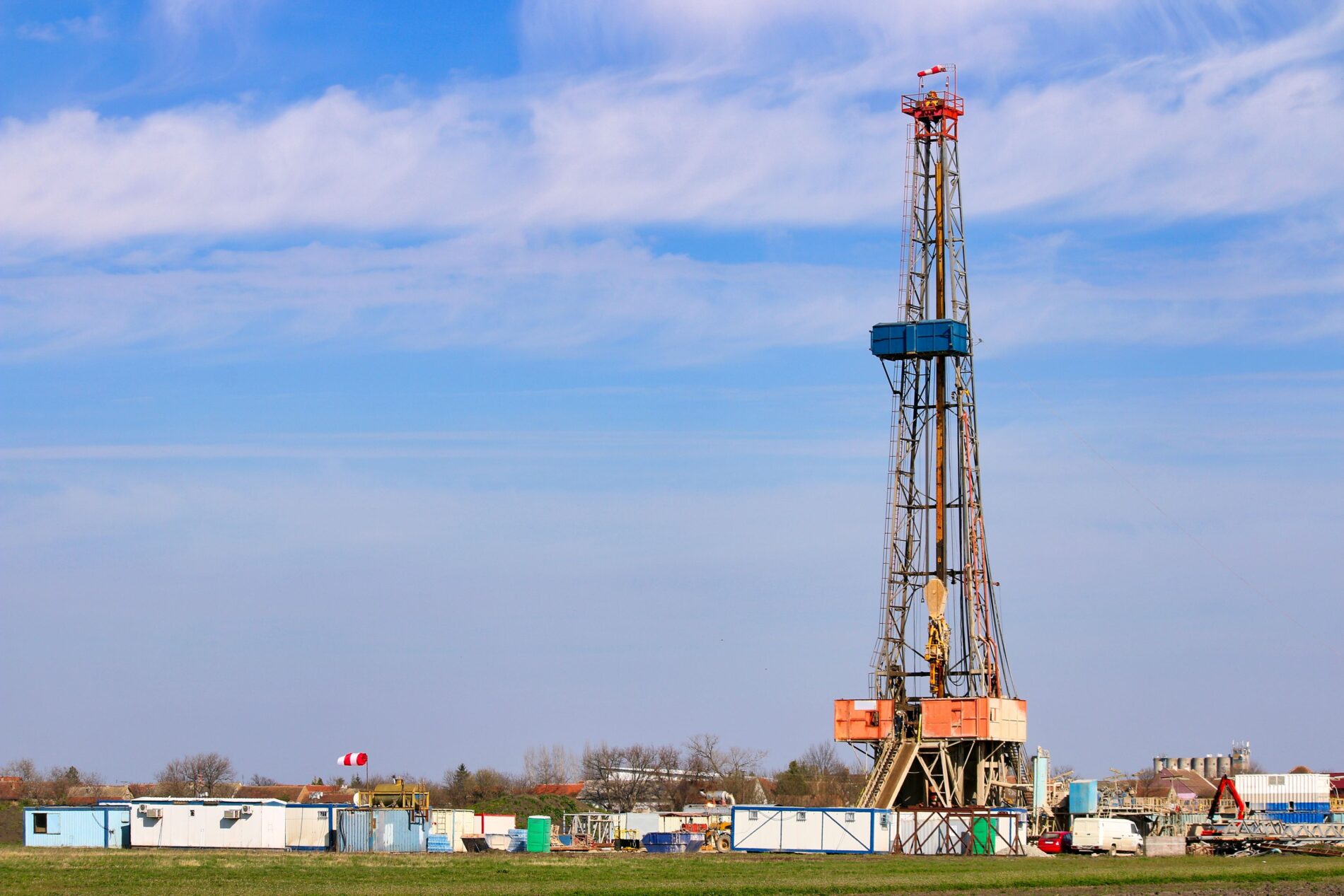
From these figures, Kümpel derives potential annual production of around 20 billion cubic meters, meaning over decades. Germany could thus cover about a quarter of its current demand from domestic production as long as it needs gas. This is precisely why he considers the ban a strategic self-imposed constraint, because it closes off supply flexibility.
LNG Imports as a Cost and Emissions Lever
Kümpel contrasts the domestic scenario with the logic of imports, because Germany relies heavily on LNG. LNG means that gas is extracted overseas, cooled to a very low temperature, transported across oceans, and then regasified here, which incurs additional energy costs. This results in additional emissions, while at the same time making Germany more dependent on supplier countries whose production standards it cannot control.
In Kümpel’s view, Germany nevertheless sells this chain as “sensible,” even though it makes the system more expensive. Furthermore, vulnerability to geopolitical tensions increases because several stations and contracts must remain stable simultaneously. Therefore, he sees a double burden of price risk and supply gaps.
Controversy over Risks: Technology, Regulations, and Fear-mongering
In the debate, Kümpel distinguishes between images and measurable risks. He emphasizes that authorities only approve fracking if groundwater protection, drilling site security, casing, cementing, leak monitoring, and wastewater management meet strict requirements. Therefore, he states, “The scare tactics are fabricated.” He also rejects the frequently cited earthquake argument, because unconventional reservoirs do not generate the large-scale pressure differences that occur with certain conventional extraction methods.
Kümpel cites the “Gasland” sequence with a burning jet of water from the tap as a key moment. He describes the scene as staged and refers to isotopic analysis methods that could rule out the alleged connection. Risks remain, but in his view, they can be monitored and limited, while the debate often assumes the opposite.
Political Dynamics, Shifts in Ministry, and the Failure to Reassess
Kümpel locates the turning point in the 2010s, when, in his view, a coalition of vested interests and emotionally charged campaigns intensified. Spectacular images overshadowed expert debates on drilling technology, hydrogeology, and monitoring, while political factions used “anti-fracking” as a means of defining their identity. He cites Gazprom as one of the beneficiaries, as German production volumes would weaken a dominant supplier, while Nord Stream 2 was simultaneously pursued as a geopolitical project.
He also describes a shift in ministry that altered the debate. When the Ministry for the Environment took the lead instead of the Ministry for Economic Affairs, the focus shifted toward “water protection alarm.” According to Kümpel, the Bundestag should have reviewed the regulations in light of the current state of science and technology but failed to do so due to the threat of political opposition. As a result, Germany remains committed to expensive global procurement.
CO₂ Balance and Geothermal Energy Prospects as Side Effects
Kümpel anticipates a climate impact that contradicts the public narrative. According to him, without the fracking ban, 90 million fewer tons of CO₂ would have been emitted in five years because LNG imports are energy-intensive and could potentially cause higher methane losses along the supply chain. He sees this as a misallocation of resources that simultaneously increases costs and emissions.
As an additional benefit, he cites the later use of deep boreholes for geothermal energy. Deep drilling is the most expensive part of many geothermal projects, so existing infrastructure can reduce initial investments. Not every borehole will automatically become a power plant, but the resulting expertise and facilities could facilitate renewable baseload power generation in the future.