
Norway has halted the use of Bovaer after cows died in Denmark. The government-subsidized feed additive, intended to reduce methane emissions, can, according to reports from Denmark, significantly impair animal welfare. The controversial additive is thus at the center of a European debate. At the same time, reports about affected cattle, doubts about the additive itself, its fragile effectiveness in reducing emissions, and new questions about animal welfare demonstrate how tense the situation has become. (tkp: 17.11.25)
Bovaer and the Danish Livestock Losses
In Denmark, the government-mandated feed additive led to a critical situation on many farms. Farmers reported cows dying in their barns. Other animals barely ate, experienced significant drops in milk production, or suffered from diarrhea, fever, and behavioral changes. The temporal correlation with the additive suggested that the degradation process overloaded the animals. Herds with already sensitive metabolisms were particularly affected.
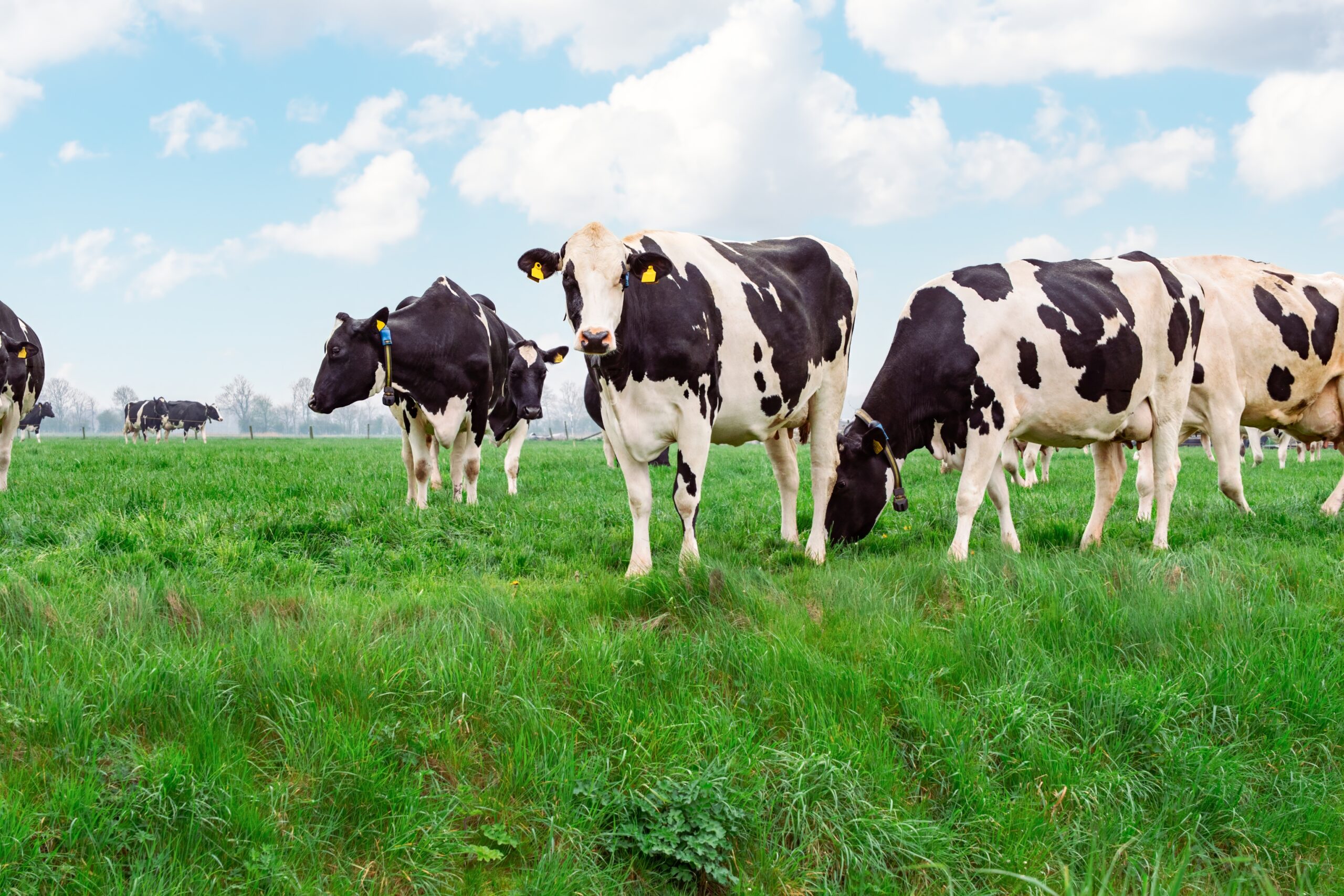
Veterinarians also reported cases indicating serious health problems in cattle. The strict feed regulations put additional pressure on farms. Some farmers voluntarily stopped using the additive, even though this led to conflicts with authorities. The discussion quickly shifted to the question of whether milk from these herds remains safe and how much animal welfare is actually affected.
Bovaer: Norway draws conclusions from the serious incidents in Denmark
Norway reacted without hesitation. On November 12, 2025, the dairy processor Norsk Melkeråvare stopped using Bovaer. The decision followed the Danish reports indicating a high risk to cows. Although Norwegian farms did not report any damage themselves, the dramatic cattle losses in Denmark necessitated an immediate reassessment. Experts are now systematically analyzing data from both countries to clearly determine the consequences for animal welfare and food safety.
The Norwegian move demonstrates how closely climate policy and agriculture are intertwined. A measure to reduce methane emissions can only be sustainable if it enables healthy herds. A product that endangers animals does not fit into a sustainable concept. Norway is therefore focusing on transparency and preventative measures rather than political pressure.
Bovaer in European comparison
While Norway is taking a cautious approach, the situation in the EU remains significantly different. Germany continues to test the feed additive, and Austria is already using it in large parts of its milk production. Critics emphasize that practical data from Denmark should carry more weight than blanket safety claims. Symptoms reminiscent of the Danish cases have emerged in some regions of Central Europe. This reinforces concerns that the additive has more serious effects than previously assumed.
The differences between the countries are more pronounced. Norway is concentrating on animal welfare and preventative measures, while the EU is maintaining existing approvals. This intensifies the debate about accountability and the question of whether climate goals should take precedence over animal welfare.
Animal Welfare, Climate Goals, and Economic Reality
Methane reduction remains a key political objective. However, the cattle losses in Denmark demonstrate how sensitive ruminants are to interventions in their metabolism. Farmers emphasize that climate protection can only succeed if cows remain healthy. An additive that endangers animals harms farms and erodes trust. Norway’s decision sends a signal that European agriculture can hardly ignore.
The Danish situation clearly shows how quickly a technological intervention can lead to significant damage. At the same time, pressure is mounting on the EU to establish uniform standards for feed additives and demand independent long-term data. Without this foundation, the risk to animal welfare and food quality remains too high.