
The German government is launching a new funding program for hydrogen refueling stations and hydrogen-powered trucks, with €220 million allocated for this purpose. The program aims to support up to 40 stations and up to 400 trucks. However, the reality in Germany paints a different picture, as numerous projects have failed due to a lack of economic viability. Many hydrogen refueling stations have already been closed and subsequently dismantled. (ecomento: 30.01.26).
Dismantling with prior notice: Operators remove stations from the network
A particularly striking example is H2 MOBILITY Deutschland, the central operator of many public hydrogen refueling stations. In September 2024, the company announced the closure of several 700-bar stations by December 31, 2024, including those in Stuttgart, Kamen, Brunsbüttel, Fellbach, Erfurt, and Pforzheim. This means the disappearance of infrastructure that for years was considered a cornerstone of the hydrogen rollout.
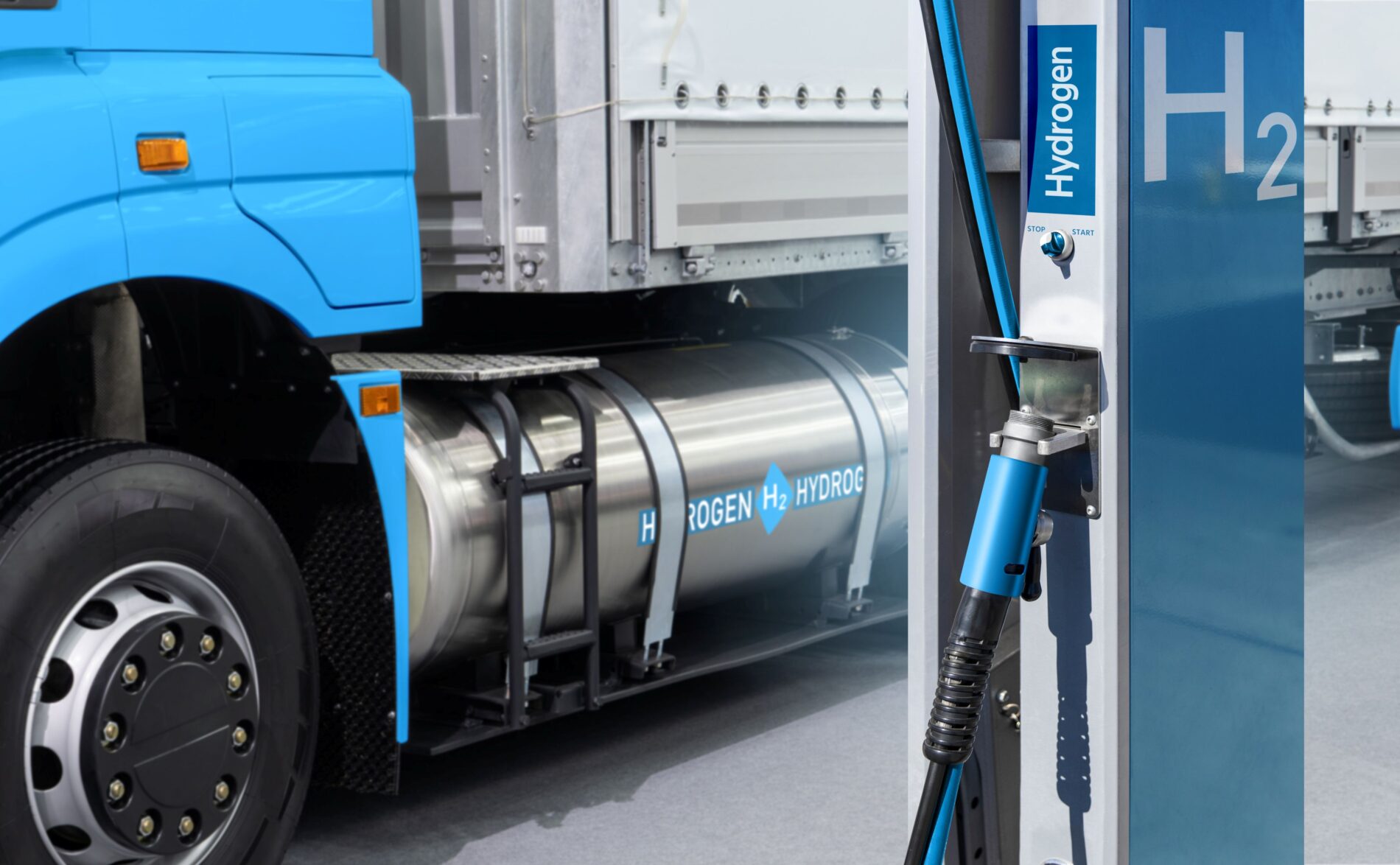
In March 2025, the next wave followed, as industry reports indicated that a total of 22 stations were slated for permanent closure by the end of June 2025 due to a lack of profitability. This was attributed to a lack of technical and economic suitability at the existing locations, directly impacting operations. Furthermore, the operator itself emphasizes that dismantling takes place after closures, meaning it’s not just a temporary pause.
Subsidized yet gone – the lost money remains a fact
Financing is crucial here, as a significant portion of hydrogen mobility in Germany was developed with public funds. H2 MOBILITY explicitly cites subsidies from the Federal Ministry of Transport and Digital Infrastructure as part of the National Innovation Program for Hydrogen and Fuel Cell Technology, as well as EU programs. This meant taxpayer money flowed into the construction and operation of the stations. Dismantling them does not “reclaim” these investments.
This is precisely where the political fault line lies, as the equation often seems to be: subsidize first, then close again after lack of profitability. The state finances the initial setup and infrastructure, but in the end, a diminished network remains. When facilities are dismantled, the invested money is effectively lost because the public sector no longer receives any valuable infrastructure.
Restart with €220 million: The Ministry is again relying on the same mechanism
Despite this track record, the Federal Ministry of Transport (BMV) is once again launching a combined funding program for refueling stations and vehicles. Federal Transport Minister Patrick Schnieder explains: “This solves the chicken-and-egg problem: Truck drivers will find reliable refueling options, and the refueling stations will be fully utilized from the outset.” This sounds logical, but past experience shows that utilization doesn’t happen automatically.
The call for proposals has been open since January 28, 2026, and the application deadline is May 31, 2026. The program also relies on EU regulations such as AFIR to establish a core network for heavy goods vehicles. Nevertheless, it remains to be seen whether the market will be sustainable after the funding period, as operating costs and hydrogen prices will remain the key factors.
A quote that perfectly captures the essence of the matter
In the debate, the phrase “Albert Einstein defined insanity as doing the same thing over and over again and expecting different results” is often cited. This sentiment resonates with many observers, as Germany is once again subsidizing a system that was already visibly shrinking.
What remains is a simple formula for risk. New billion-dollar incentives don’t replace reliable demand, and a gas station is only profitable with high throughput. Therefore, this restart appears to be yet another attempt to force the market through subsidies, even though the dismantling of subsidies has already demonstrated how quickly such calculations can become unbalanced.