
In Norway, around 73 percent of households heat with electricity. This makes many buildings vulnerable during a blackout. During prolonged power outages, the heat supply quickly collapses. Therefore, Norway’s building code TEK17 mandates that new buildings must have a chimney specifically designed for the later installation of a non-electric heating appliance.
Chimney requirement provides backup power in case of outage
Norwegian building regulations require many new residential buildings to have a second heating option. This doesn’t mean two permanently operating systems, but rather the possibility of retrofitting. Specifically, the building must have a chimney so that a wood-burning stove can be connected later.
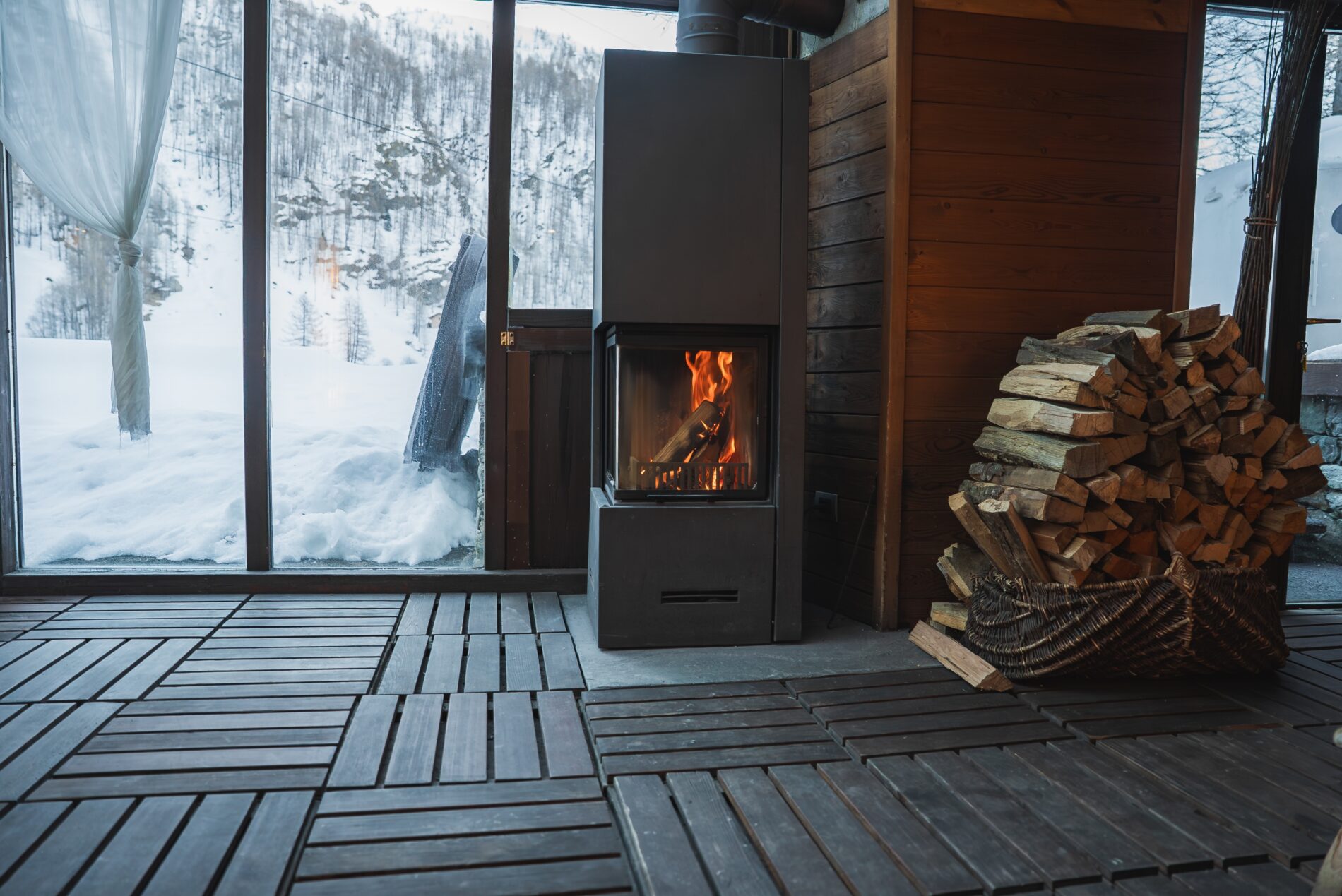
The requirement is described in official regulations as follows: “A chimney must be erected and prepared for the later installation of a fireplace.” This mandates a technical alternative to grid electricity. At the same time, the decision regarding actual use remains with the owner.
District heating and water-based solutions are also considered a second option. However, exceptions apply if such systems reliably cover certain living areas. In these cases, the chimney can be omitted, but only under clearly defined conditions.
Fireplace instead of “Clever Fix” – Norway establishes safety guidelines
Many heating systems are indirectly dependent on electricity, and this also applies to district heating. Pumps, controls, and distribution systems within the house require energy. If the power outage lasts for an extended period, even a very well-insulated house will gradually cool down.
This is precisely where the preparedness approach comes in. A modern wood-burning heating system operates without a grid connection, provided firewood remains available. Therefore, wood is presented in the preparedness guidelines as the most reliable backup.
Those who only have a chimney but no stove are still at a disadvantage in an emergency. According to the text, temporary solutions using gas or flammable liquids via the chimney are considered illegal and risky. Instead, Norway requires certified equipment and inspection by experts.
No mandatory stove installation, but clear technical standards
The building code requirement seems paradoxical because it doesn’t mandate the installation of a stove. Owners bear the additional costs for the chimney but can choose not to install a stove. This means the backup heating option theoretically exists, but is often lacking in practice.
If a fireplace is installed later, Norway relies on modern technology. Old wood-burning stoves are not permitted, and the market is to switch to “clean-burning” appliances. Thus, the regulation combines preventative measures with emissions control.
Ultimately, there’s a core principle: Norway wants to ensure that new buildings aren’t left without a backup heating option during a power outage. Therefore, building regulations stipulate a second heating option, which is ultimately included in the building plans. Those who don’t use the backup option immediately can retrofit it later, but only within the framework of safety regulations. (KOB)