
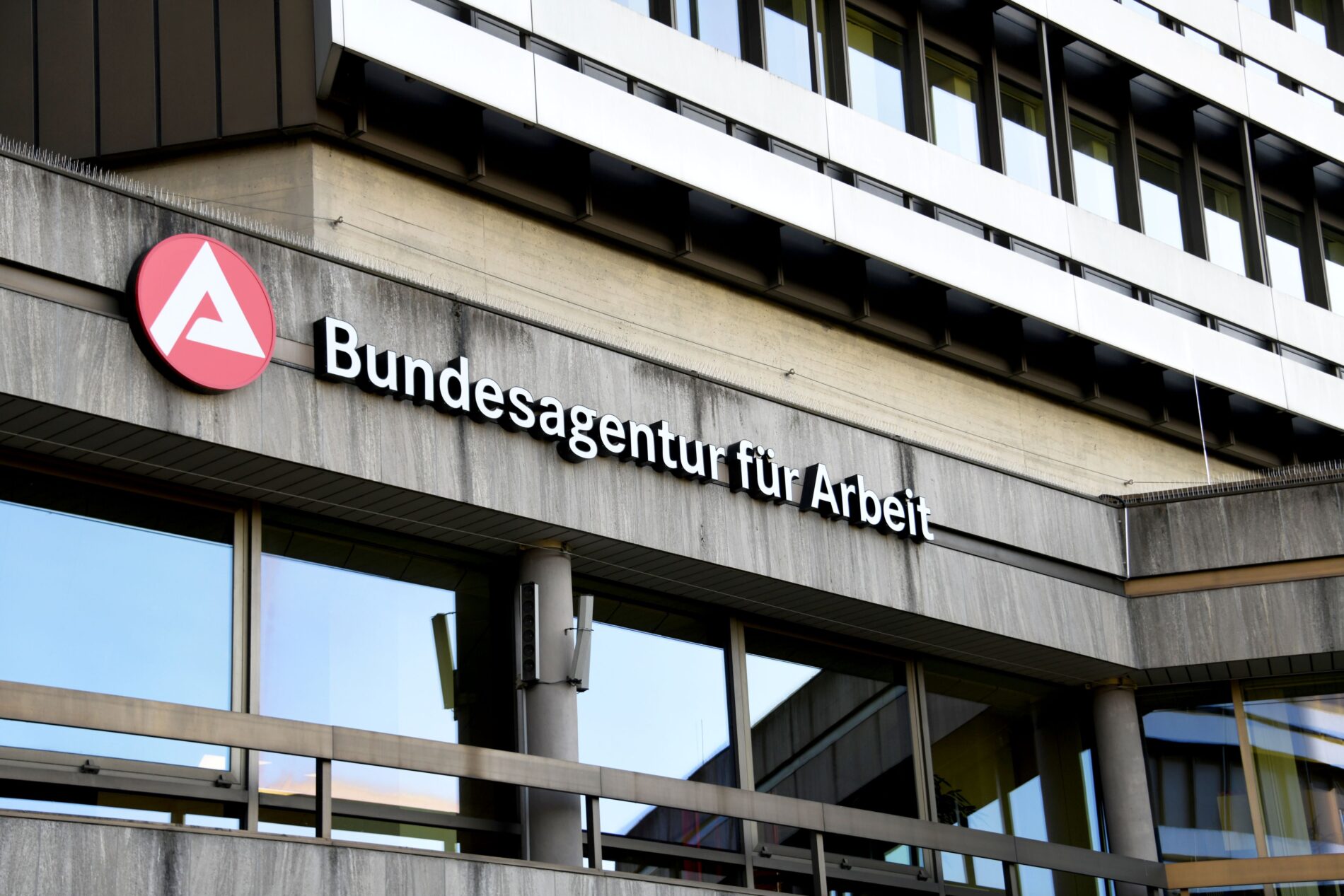
Berlin/Nuremberg, June 2026: The Federal Employment Agency anticipates a multi-billion-euro shortfall due to the weak economy and rising unemployment. A current financial report submitted to the Budget Committee highlights the extent to which deindustrialization is now impacting the labor market. By 2030, around 23.4 billion euros in federal liquidity aid could be required. Those affected include contributors, taxpayers, and employees in struggling sectors. The rise in contribution-funded unemployment benefits is a particular cause for concern. (reuters: 02.06.26)
Deindustrialization Reaches Unemployment Insurance
The federal government had anticipated a recovery for 2026. However, that assumption no longer holds. The spring forecast now projects 2.978 million unemployed persons, whereas previous planning had estimated 2.902 million.
The difference may seem small at first glance, but it is crucial for social security funds. While the number of people receiving the “Citizen’s Benefit” (a basic income support for job seekers) is expected to drop slightly, the number of people receiving standard unemployment benefits is rising. Consequently, the crisis is hitting workers who were previously in regular employment particularly hard.
Why the Federal Employment Agency is slipping deeper into deficit
Deindustrialization is reflected not only in production figures but also directly impacts employment, insolvencies, and short-time work. High energy costs, weak demand, and the relocation of business operations are placing a strain on many companies. Energy-intensive industries and suppliers, in particular, are losing stability as a result.
After four months, the Federal Employment Agency’s budget was already 4.1 billion euros in the red, whereas a deficit of only 3.3 billion euros had been projected. In the previous year, the deficit stood at 2.8 billion euros by April; the financial report therefore shows a clearly more pronounced deterioration.
Unemployment benefits become the largest cost factor
Revenues reached 15.6 billion euros by April, largely in line with projections. However, expenditures rose to 19.6 billion euros—approximately 900 million euros above the planned figure.
Standard unemployment benefits account for the largest surge in costs. Between January and April, 10.2 billion euros were paid out for this purpose—1.5 billion euros more than in the same period the previous year, representing a 17 percent increase. The twelve-month average number of recipients rose to 1.029 million.
Insolvencies add further pressure
Insolvency benefits are also placing a heavier burden on the agency’s finances than anticipated. Although the Federal Employment Agency had expected expenditures to fall, costs could now reach up to 1.8 billion euros by 2026—an additional requirement of around 300 million euros.
There are also other crisis-related costs. An additional expenditure of nearly 200 million euros is looming for seasonal short-time work benefits. Unemployment benefits paid during further training add around 100 million euros to the total. Transfer short-time work benefits and mandatory rehabilitation payments are also exacerbating the situation.
Federal Government Must Step In with Taxpayer Money
In its financial report, the agency projects a deficit of more than eight billion euros for 2026. Combined with aid from the previous year, total debt could reach nearly ten billion euros by the end of 2026. Consequently, the federal government will have to step in if ongoing obligations can no longer be covered by contributions.
The problem is set to grow further by 2030. Previously, liquidity aid totaling 10.4 billion euros through 2029 had been anticipated; now, the total requirement through 2030 has risen to approximately 23.4 billion euros. This turns the industrial crisis into a budgetary problem as well.
Weakness as a Business Location Hits Workers and Taxpayers
For Federal Finance Minister Lars Klingbeil, this creates an additional risk for financial planning. Pensions, health insurance, and long-term care insurance are already placing a heavy burden on the budget. Furthermore, the need for subsidies for unemployment insurance is now rising faster than expected.
The figures therefore reveal more than just a short-term deficit. The industrial downturn is reaching the labor market with a time lag, but with palpable force. Without increased investment, competitive energy prices, and better conditions for business, reliance on the federal budget will continue to grow. Ultimately, it is employees, companies, and taxpayers who will pay the price for the erosion of the industrial base.