
The European emissions trading system is becoming a political flashpoint, as several Eastern European states seek to force a further delay. At the same time, energy prices, CO₂ taxes, the EU’s climate targets, and the competitiveness of member states are increasingly coming under scrutiny. Although Brussels has already postponed the system’s launch to 2028, the Czech Republic, Hungary, and Slovakia are now demanding at least 2030. This demand comes at a sensitive time for the EU, as economic stability and climate commitments are increasingly at odds. (welt: 19.12.25)
Why the European Emissions Trading System is facing resistance
The resistance stems primarily from social and economic concerns, as rising energy prices have a particularly severe impact in Eastern Europe. In an internal position paper, the participating states explain: “A greener Europe also needs the prosperity of its population.” The planned CO₂ tax would burden households and businesses more heavily than in the West because incomes are lower and fossil fuels remain more prevalent. Therefore, the governments consider the launch of the European emissions trading system politically untenable.
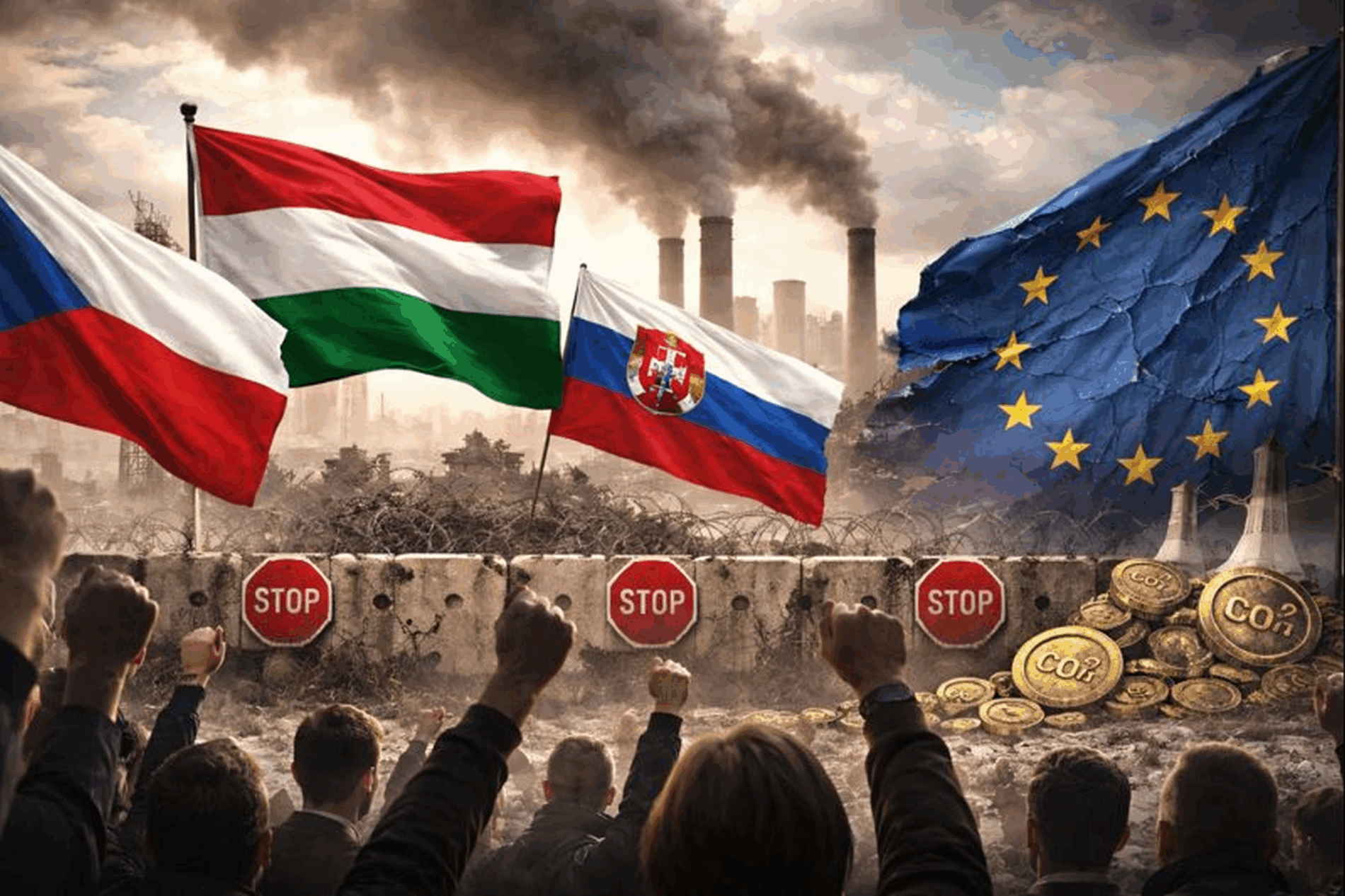
At the same time, member states point to risks to the competitiveness of their economies. Affordable energy is considered a prerequisite for industrial stability, while an additional CO₂ price could stifle investment. This is one reason why the EU’s climate targets are entering a new debate, as their implementation creates unequal burdens.
Prague Forms Resistance
The Czech Republic is pushing forward with its confrontational stance because the new government openly rejects the European emissions trading system. Prime Minister Andrej Babiš declared: “We will no longer implement this provision of the EU directive.” With this, Prague is not only questioning the CO₂ tax, but also CO₂ trading as a key regulatory instrument. Hungary and Slovakia support this course, indicating the formation of a robust alliance.
Prague is factoring in potential sanctions, despite the threat of infringement proceedings and financial repercussions. Domestically, the prevailing concern is that rising energy prices will exacerbate social tensions. This dynamic is increasing the pressure on Brussels, as national interests are being prioritized more and more over the EU’s common climate goals.
Prague is factoring in potential sanctions, even though infringement proceedings and financial disadvantages are looming.
Structural Differences Exacerbate the Situation
Criticism of the European emissions trading system is also rooted in structural factors. In many Eastern European countries, wage levels are significantly lower, while coal, gas, and oil continue to play a central role. Millions of households would be directly affected by higher electricity and heating costs, further reducing acceptance of the CO₂ tax.
Should more countries refuse implementation, the entire climate strategy will be jeopardized. Transportation and buildings account for a large share of emissions, making CO₂ trading crucial in these sectors. However, delays weaken the EU’s climate targets, while the Union’s overall competitiveness suffers.
Germany Continues to Pay Alone
A blockade of the European emissions trading system would offer little relief to German consumers. Germany has levied a national CO₂ price since 2021, which was originally intended to be integrated into the EU system. If Europe remains divided, German households and businesses will continue to pay while other countries postpone their burden. This distorts competition and, in the long term, increases energy prices in the internal market.
Doubts About Compensation Mechanisms
The EU Commission is relying on price protection and a social fund to mitigate hardship. However, Eastern European governments doubt that these instruments are sufficient. They argue that the fund does not cover the real costs of the CO₂ levy and is set to expire. This would perpetuate social inequality while further eroding trust in the European emissions trading system.
Frontloading as a Last Resort
Berlin-based energy expert Bernd Weber nevertheless sees a way out. He proposes auctioning emissions certificates early and on a larger scale. This frontloading approach would stabilize CO₂ trading because the CO₂ price would initially remain moderate. At the same time, it would generate revenue for tax relief and investments, which could strengthen competitiveness.
Weber calls this approach the “life insurance” for the European emissions trading system. Without rapid adjustments, the system risks political failure, while the EU’s climate targets lose credibility. The coming months will therefore determine whether Europe finds a viable compromise or loses a key climate instrument.